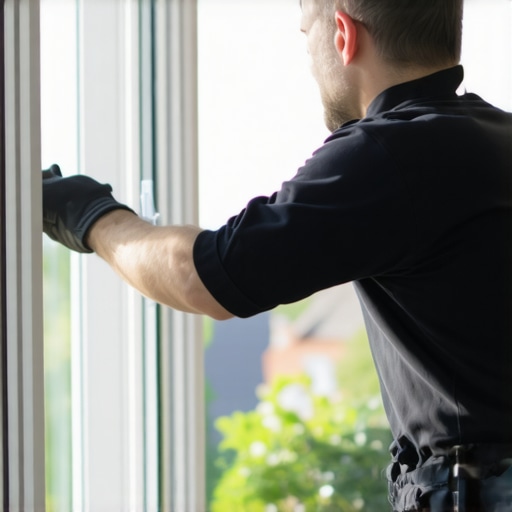
It was a chilly evening, and as I stood in my living room, I felt an icy draft sneaking around the edges of my window. I reached out to close it, only to realize the glass was foggy and loose—an obvious sign that my window’s seal had failed. That moment made me realize how much drafty windows can drain your home’s warmth and your wallet, especially when winter rolls in. If you’ve ever experienced a sudden chill because of a shaky, drafty window, you’re not alone—it’s a common nuisance that can seem like a never-ending battle for homeowners.
Why Drafty Windows Cost More Than You Think—and What to Do About It
Drafty glass isn’t just about comfort; it’s about energy efficiency and financial health. When windows lose their seal or become damaged, your heating system has to work overtime, leading to higher energy bills and uneven indoor temperatures. Over time, ignoring these issues can result in significant costs, sometimes amounting to hundreds of dollars each year. I learned this the hard way early on—by trying to fix things myself instead of consulting trusted experts. My first attempt involved some cheap DIY repairs that only made the problem worse, highlighting a critical mistake many make: underestimating the complexity of window repairs. To get real results, I found that professional guidance is invaluable.
If you’re tired of feeling chilly and wasting money on heating, this post will unveil four fast, effective secrets to restore your windows and keep your home warm and cozy for years to come. And trust me, I’ll share what I wish I knew from the start—avoiding costly mistakes and ensuring your home stays comfortable without breaking the bank.
Is Fixing Drafty Windows Worth the Effort, or Should I Just Replace Them?
One of my initial doubts was whether to repair or replace my windows entirely. The good news is, there are affordable repair options that can extend the life of your existing windows significantly—sometimes more cost-effective than full replacement. For a deeper understanding, I recommend checking out trusted solutions for window repair [here](https://seethruwindow.com/affordable-window-repair-replacement-for-lasting-trust-in-2025-2). Considering your specific situation will help determine if a quick fix suffices or if a full upgrade is the smarter move.
In the coming sections, I’ll walk you through practical tips and trusted methods to tackle drafty glass efficiently. Whether you’re a seasoned DIYer or prefer professional help, these secrets will set you on the right path—saving you money and keeping your home warm and inviting. Let’s dive into the first quick fix that can make a significant difference tonight.
Gather Your Tools and Supplies
Start by collecting essential tools: a putty knife, weatherstripping, window sealant, a screwdriver, and a caulking gun. I once thought I could fix my window with just a hammer, but that only made the problem worse. Having the right tools makes repairs smoother and more effective.
Assess the Damage Carefully
Examine your window for cracks, gaps, or broken seals. Use a flashlight to identify drafts around the edges. I noticed a small gap near the bottom frame and decided to tackle it immediately, which saved me money on heating that night. Recognizing the exact problem spot is key to choosing the right solution.
Clean the Surface Thoroughly
Before applying any repair materials, clean the window frame and sash with a glass cleaner like trusted window cleaning solutions. Dirt and debris can interfere with adhesion. I used a damp cloth to remove dust and old paint, preparing a clean surface for sealing.
Seal Gaps with Weatherstripping
Measure the length of gaps and cut weatherstripping accordingly. Apply it tightly along the frame’s perimeter to block drafts—as if you’re giving your window a warm blanket. During my first attempt, I underestimated the size of the gap, leading to poor insulation. Accurate measurement prevents leaks and enhances efficiency.
Apply High-Quality Window Sealant
Use a caulking gun to apply sealant along the edges where gaps exist. Smooth it with a putty knife or your finger dipped in soapy water. I learned that a neat sealant job prevents future leaks. For best results, opt for a sealant designed for windows and weather conditions prevalent in your area—visit cost-effective repair tips for guidance.
Replace Damaged Glass or Frames when Necessary
If cracks or broken seals are beyond simple fixes, consider replacing the glass or entire frame. This is similar to replacing a worn-out tire instead of patching a flat repeatedly—more practical long-term. For professional help, check trusted replacement services. I once attempted a DIY glass replacement, but it was messy and risky, so I now rely on experts for this task.
Inspect and Test Your Repairs
After completing repairs, close the window and use a lit candle or incense stick around the edges to detect escaping air—if the flame flickers or smoke wavers, more sealing is needed. I tested my window at night and found some small leaks, which I sealed with additional weatherstripping, making my home warmer overnight.
Maintain Regularly for Best Results
Schedule seasonal inspections to ensure seals stay intact and joints aren’t deteriorating. Simple cleaning and resealing every few years prevent costly replacements. I’ve set a reminder on my calendar, which has saved me from future drafts and high heating bills.
Many homeowners assume that replacing windows is straightforward: buy new units, have them installed, and that’s it. However, this oversimplification can lead to costly mistakes. One often overlooked nuance is that not all windows require full replacement; in fact, a well-executed repair can extend their lifespan significantly, especially when minor issues are caught early. For example, sealing small cracks or replacing damaged sashes can restore energy efficiency without the expense of a full upgrade, as detailed in expert guides on affordable window repair [here](https://seethruwindow.com/affordable-window-repair-replacement-trusted-solutions-in-2025).
A common myth is that all modern windows are energy-efficient and will save money in the long run. While newer models offer benefits, their performance depends heavily on proper installation and maintenance. Poorly installed windows can result in drafts and increased energy bills, negating any expected savings. Moreover, rejecting professional assessment and attempting DIY fixes without understanding the nuances can cause more harm than good. For instance, sealing gaps incorrectly or misaligning window frames can reduce functionality and lifespan, which is why consulting with trusted experts is recommended [here](https://seethruwindow.com/affordable-window-repair-replacement-for-lasting-trust-in-2025-2).
One Maintaining your windows for peak performance requires the right tools and proactive care. One of my favorite investments is a high-quality cordless drill, which I use not only for removing and reinstalling window hardware but also for drilling precise holes when installing weatherstripping or securing replacement glass panes. Its portability and variable speed ensure I can handle delicate tasks without damaging the frame, making it a versatile addition to any handyman’s toolkit. Additionally, I rely heavily on a digital moisture meter, which helps me detect hidden leaks behind the siding or inside the frame, preventing small issues from escalating into costly repairs. This device has saved me from unnecessary replacements by alerting me to sealant failures early. For sealing gaps, I prefer a silicone-based, paintable sealant that offers excellent adhesion and flexibility, adapting to temperature changes without cracking.
In terms of cleaning, I swear by an extendable microfiber duster—especially when reaching upper sash corners—keeping grime off the seals and glass surfaces. Its extendable handle makes maintenance safer and easier, especially on high or hard-to-reach windows. For evaluating the effectiveness of my repairs, I employ a simple smoke pen—a small, portable tool that produces a steady, visible stream of smoke—to detect drafts around the window perimeter. If the smoke wavers or is pulled toward gaps, I know I need to apply additional weatherstripping or sealant.
Looking ahead, I predict that smart, sensor-integrated window maintenance systems will become more affordable and common in the next few years. These devices could continuously monitor for drafts, moisture intrusion, and seal integrity, alerting homeowners via smartphone apps before issues become visible or cause damage. Early adoption of such technology can save money and extend window lifespan significantly.
How do I keep my windows in top shape over time? Regular inspections are key. I recommend checking seals, hardware, and the glass twice a year—preferably in spring and fall—to catch problems early. Clean and reapply weatherstripping if you notice any tears or gaps, and reseal areas with a reliable silicone sealant every 3-5 years. For more detailed guidance on ongoing maintenance, see trusted solutions for durable window care [here](https://seethruwindow.com/reliable-window-repair-replacement-tips-for-lasting-trust). Don’t forget to test with a smoke pen after repairs; this step ensures your efforts pay off with a tight, draft-free fit. Try incorporating a moisture meter into your routine to identify leaks before they become major headaches. Keeping your windows working efficiently is an ongoing process, but with the right tools and habits, you’ll enjoy a cozy, energy-efficient home for years to come.
The Hard-Earned Truth About DIY Repairs vs. Professional Help
One of my biggest lightbulb moments was realizing that some issues are better left to the experts. I attempted to reseal my window myself, only to create more leaks and end up spending more in the long run. Over time, I learned that knowing when to call a trusted professional—like those linked at trusted repair services—can save you hundreds. Expert assessments can identify underlying problems you might miss, ensuring your home stays warm and energy-efficient, rather than wasting resources on temporary fixes.
Small Fixes Can Lead to Big Savings—But Only if Done Correctly
I used to think sealing gaps was just about plugging visible holes. But I discovered that thorough preparation—cleaning surfaces, precise measurement of weatherstripping, and smooth application of sealant—can dramatically boost your home’s insulation. For instance, I found that resealing even minor cracks with high-quality silicone sealant reduced my heating bills and added comfort. Trustworthy sources like reliable repair tips gave me the confidence to do it right the first time, avoiding costly rework later.
Understanding the Real Cost of Ignoring Window Problems
Ignoring drafty windows might seem harmless at first, but I learned that small leaks can escalate into major energy losses, leading to expensive bills and accelerated wear on heating systems. Facing this realization motivated me to prioritize timely repairs, guided by insights from expert articles including signs to repair or replace. This proactive approach ensures durability and comfort, proving that investing in the right fix today prevents costly replacements tomorrow.
Turning Repairs into Long-Term Home Wins
One invaluable lesson was the importance of routine maintenance—regular inspections, cleaning, and resealing—to keep windows performing at their best. I schedule biannual checkups, use tools like moisture meters, and stay vigilant about seals. This ongoing care not only prolongs the life of my windows but also ensures my home remains cozy during winter. For ongoing guidance, trusted strategies at maintenance solutions are my secret weapon in avoiding surprises.
This post really hit home for me, especially the part about assessing damage carefully. I once tried to fix a small gap with some weatherstripping I bought at the hardware store, but I didn’t measure properly, and it ended up being ineffective. It’s clear now that taking that extra step of thorough examination and proper preparation really makes a difference. Since I live in a region with harsh winters, maintaining a tight seal has saved me a lot on heating costs over the years. Has anyone here found that regular maintenance, like resealing and inspecting, diminishes the need for costly replacements down the line? I’d be interested to hear how often others schedule these inspections and if they’ve noticed genuine savings from proactive care. Little tips like using a moisture meter or testing with a smoke pen seem like game changers for detecting small issues early. What tools or habits have worked best for the community in keeping drafty windows at bay?