
It was early morning, and I was standing on my ladder, trying to scrub away stubborn streaks on my windows with a homemade cleaner that promised to be eco-friendly and effective. Instead of crystal-clear glass, I ended up with more streaks and a sinking feeling—had I just wasted my time and energy on something that didn’t live up to promises? That lightbulb moment made me realize how easy it is to fall into the trap of well-meaning DIY solutions that may do more harm than good.
Why Your Window Cleaning Method Might Be Sabotaging Your Home and Environment
Many of us are eager to adopt greener habits, especially when it comes to home maintenance. But not all homemade or eco-friendly solutions are created equal. In fact, some can leave residue, cause long-term damage, or simply not clean as well as trusted products. My early mistake was relying on a vinegar-based solution that seemed safe but actually left spots and built-up film, making my windows look worse over time. It’s a common pitfall that many DIY enthusiasts face.
The key lies in understanding which green solutions truly deliver results without compromising your home or the environment. Luckily, there are tested, effective options that balance safety and performance. Today, we’ll explore five of the most promising eco-friendly window cleaning solutions set to dominate 2026. But first, let me share a little insight supported by environmental research: According to an EPA report, improperly used cleaning agents can contribute to indoor air and water pollution, affecting not just the planet but our health too. So, choosing the right products matters.
Are you tired of wasting time and resources on solutions that don’t work or worse, damage your windows? If so, stay tuned. We’re about to uncover proven green strategies that will help you achieve sparkling, streak-free windows—all while doing your part for the planet.
Will Natural Really Beat the Commercial Stuff?
One of the biggest doubts I had early on was whether eco-friendly solutions could match the cleaning power of conventional products. I made the mistake of assuming natural ingredients were automatically less effective without testing them first. I learned—and want to share—that proper application and understanding what works are vital, as discussed in trusted home care guides. Now, I know that with the right techniques, natural cleaners can outperform chemical-laden alternatives.
With that in mind, let’s dive into the top green window cleaning solutions for 2026 that combine safety, affordability, and impressive results.
Choose the Right Eco-Friendly Cleaners
Start by selecting proven natural solutions that won’t leave streaks or residue. My experience taught me that simple ingredients like baking soda, castile soap, and vinegar, when used correctly, outperform many commercial products. For instance, mixing two cups of warm water with a tablespoon of castile soap creates an effective, non-toxic cleaner. Always test on a small area first to ensure compatibility with your window frame material.
Prepare Your Equipment for Success
Use a high-quality microfiber cloth or a squeegee for the best streak-free finish. I remember once grabbing an old, linty cloth, which made my windows look worse. Invest in a squeegee with a clean rubber blade, and keep your tools spotless to prevent streaks. If you’re unsure about which tools suit your windows, check out cost-effective cleaning tools.
Apply the Cleaner Effectively
Spray your eco-friendly solution generously onto the glass, covering the surface evenly. Avoid spraying directly onto window frames to prevent water damage. Use your microfiber cloth or squeegee in vertical strokes, starting at the top corner and working downward. Remember, consistent pressure yields better results; think of it as playing a musical instrument — finesse makes all the difference. During my own attempt, I used a squeegee with a slight tilt, which prevented drips and streaks, resulting in a professional-grade finish.
Master the Art of Squeegeeing
End each stroke slightly over the previous to avoid lines. For tricky edges or corners, use a small, absorbent cloth to wipe away drips. Once I perfected my technique, my windows gleamed without the need for harsh chemicals, and I saved money along the way. For a comprehensive approach, consult trusted cleaning strategies. Regular practice ensures streak-free perfection.
Finish with Precision and Care
Use a clean, dry microfiber cloth to buff any remaining streaks for a crystal-clear shine. Avoid overwetting the cloth, as excess moisture can cause streaks. During my gardening weekend, I accidentally used a damp cloth that smeared my windows, teaching me to always finish with a dry cloth for clarity. Additionally, cleaning windows during overcast days helps prevent rapid evaporation, reducing streak formation. For extra tips, explore pro tricks for streak-free windows. With patience and technique, eco-friendly cleaning becomes second nature.Many homeowners believe that replacing windows is a straightforward project, but there are nuanced pitfalls that can lead to unnecessary expenses or subpar results. One pervasive myth is that all window replacements are equal; in reality, overlooking the importance of proper sealing and insulation can cause energy loss and humidity issues down the line. Moreover, many assume that hiring cheap, inexperienced installers will save money, but this often results in leaks, drafts, and increased long-term costs. To truly maximize your investment, consult trusted sources like expert guides on cost-effective repair and replacement solutions. An advanced mistake to avoid is neglecting the structural integrity of window frames—small cracks can expand over time, compromising security and insulation. Recognizing these nuances is vital; a comprehensive understanding ensures you choose the right options, whether repairing or replacing, without falling for oversimplified advice. Interestingly, the National Association of Realtors highlights that properly installed windows can increase home value by up to 10%, but only if installed correctly. So, before you jump into the project, question the common assumptions and seek expert insights to prevent surprises. Remember, optimization is about more than just aesthetics—it’s about long-term performance and savings. Have you ever fallen into this trap? Let me know in the comments.
Keeping It Working: Tools and Maintenance for Your Windows
Ensuring your windows stay in top shape over time requires not just the right tools but also a consistent maintenance routine. My personal experience has shown that investing in high-quality equipment makes all the difference in achieving professional-grade results and extending the lifespan of your windows. One tool I swear by is the Telescopic Squeegee. Its adjustable arm allows me to reach high or awkward spots without the need for ladders, making regular cleanings safer and more efficient.
Another indispensable item is a Microfiber Cleaning Cloth. Unlike cheap rags that leave lint and streaks, a premium microfiber cloth absorbs well and leaves glass crystal-clear. I recommend keeping a few dedicated cloths, so you always have a fresh one for each cleaning session, preventing indoor dirt transfer and prolonging their effectiveness.
Invest in Proper Maintenance Strategies
Beyond cleaning tools, routine inspections are vital. Every few months, I walk around my home, checking for small cracks or gaps around the window frame. Catching issues early saves money and hassle later. Applying a trusted sealant or lubricant on moving parts can prevent drafts and squeaks. Regular lubrication of hinges and locks with silicone spray keeps everything functioning smoothly, reducing wear and tear.
Why You Should Prioritize Proper Window Maintenance
Maintaining your windows isn’t just about aesthetics; it directly impacts energy efficiency and security. Neglecting routine upkeep can lead to drafts, water leaks, and even structural damage. It’s a good practice to schedule seasonal inspections—spring and fall are ideal—to adapt your maintenance routine to changing weather conditions. In the long run, these small investments in maintenance tools and habits can save significant expenses on repairs or replacements.
Future Trends in Window Maintenance
Looking ahead, the integration of smart sensors and IoT technology promises to revolutionize window care. Imagine receiving alerts when seals weaken or hinges need lubrication, preventing minor issues from escalating. In fact, companies are already developing devices that monitor window integrity and send maintenance reminders directly to your smartphone. Embracing these innovations now can keep your windows performing optimally for decades.
How do I keep my windows functioning smoothly over time?
Regularly inspect, clean with proven tools like microfiber cloths and telescopic squeegees, and apply maintenance products such as sealants and lubricants. Staying ahead of small issues ensures your windows remain energy-efficient, secure, and clear. For comprehensive insights, check out trusted strategies for window upkeep. And don’t forget—try incorporating a seasonal maintenance schedule and consider investing in smart monitoring devices to detect problems early.
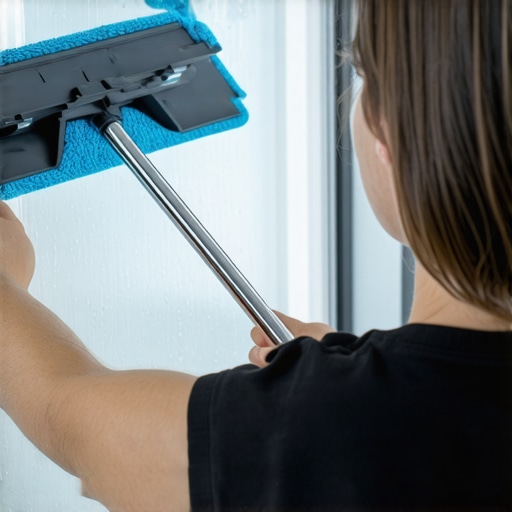
Throughout my experience with DIY window cleaning, I’ve uncovered truths that go beyond mere technique. One powerful lesson is recognizing the importance of trusting proven solutions over untested remedies. Sometimes, the most well-meaning natural ingredients—like vinegar—can cause unintended damage, emphasizing that not all green options are universally safe. A vital insight is understanding that proper tools, such as high-quality squeegees, can sometimes outperform expensive chemical cleaners, provided you master their use. Additionally, I learned that patience and attention to detail—like buffing with a dry microfiber cloth—are what truly make windows sparkle, regardless of the cleaner’s composition. Finally, staying curious and open to technology, like smart sensors for window maintenance, is setting the stage for smarter, longer-lasting windows that require less effort over time.
Reading about the importance of choosing the right eco-friendly cleaners really resonated with me. I used to rely heavily on vinegar and lemon juice for cleaning, thinking they were the safest options. However, I noticed that over time, they left streaks and even damaged some of my window frames. Since then, I’ve started experimenting with castile soap mixed with warm water, and the results have been noticeably better without the residues. The post’s emphasis on proper technique, like using a microfiber cloth and a squeegee, also reminds me how much attention detail matters. I’ve also invested in a telescopic squeegee, which has made cleaning high-up windows much easier and safer. What are your thoughts on integrating smart sensors for ongoing window maintenance? Has anyone tried these devices yet, and what impact did they observe on their routine? I believe that combining traditional techniques with smart technology could be a game-changer for maintaining clear, healthy windows with minimal effort.
I totally relate to the frustration of using homemade cleaners that don’t quite hit the mark. I used a vinegar solution myself, only to find more streaks and cloudy residue than before. It’s fascinating how proper technique and quality tools really make a difference—something I learned the hard way. Your point about using a microfiber cloth and a good squeegee is spot on; I’ve also found that applying cleaner with a sponge and then finishing with a microfiber cloth helps eliminate streaks. Speaking of tools, I’ve recently started experimenting with automated window cleaning devices, and honestly, they’re quite effective in maintaining a streak-free finish over time, especially on multiple windows. Do you think smart sensors for detecting issues like seal failure or dirt buildup will become a common part of home maintenance? I think incorporating technology into our routines could really revolutionize how we keep our windows pristine, especially for those hard-to-reach spots.