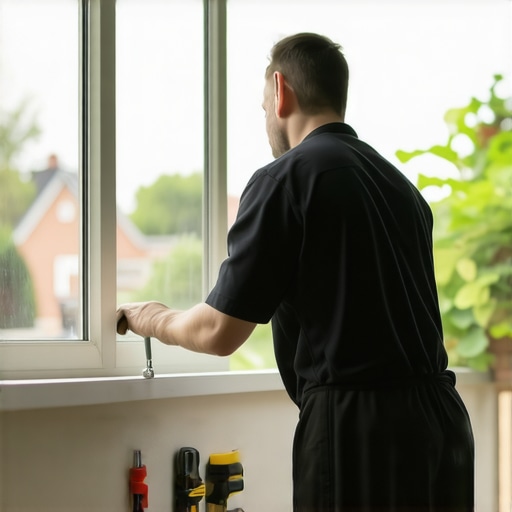
Have you ever been blindsided by a sudden draft or a cracked window that suddenly feels like a glaring eye into your home? I remember the frustration all too well. One chilly morning, I noticed a draft sneaking around my old window frame, making my living room feel colder than it should. It hit me—my windows weren’t just letting in the cold; they were also letting my hard-earned money slip through the cracks. That lightbulb moment pushed me to learn how to handle window repairs affordably and effectively, because trust me, no one should have to break the bank for a cozy, secure home.
Why Fixing Windows Affordably Matters Now More Than Ever
In today’s economy, every dollar counts. When a window starts to fail—whether it’s fogging up, cracking, or just not opening smoothly—it’s tempting to ignore it or shell out big bucks for replacements. But what if I told you that with some simple tips and tricks, you could extend your window’s life and save money? That’s exactly what I want to share. Proper, affordable repair not only keeps your home comfortable but also builds lasting trust in your home’s integrity. Plus, tackling small issues early prevents bigger, more costly problems down the line. Did you know that delaying repairs can increase energy bills by up to 25%, according to energy efficiency studies? That’s money you’re literally throwing out the window!
Is Window Repair Actually Worth the Hype?
I’ll admit, I used to think that replacing windows was the only way to fix serious issues. My early mistake was ignoring minor cracks, thinking they were no big deal. Turns out, that was a mistake. Small cracks can expand rapidly, leading to drafts, water leaks, and even structural damage. I learned the hard way that affordable window repair is not only possible but also smart. If you’re questioning whether it’s worth fixing your windows yourself or hiring a pro, I’ll guide you through what to consider and how to do it right without overspending. For trusted solutions, I recommend checking out this guide for practical, affordable tips that really work.
Now, let’s dive into some proven strategies to keep your windows in top shape without draining your wallet. Ready to become your own window hero? Let’s get started with the basics.
Assess the Damage Before You Fix
Start by inspecting your window thoroughly. Look for cracks, drafts, or fogging between panes. For example, I once found a small crack on my living room window after a storm, which was causing a noticeable draft. Instead of rushing to replace the entire window, I took a close look to determine if a simple repair would suffice. This step is crucial because addressing minor issues early can prevent costly replacements later. Use a flashlight to check for hidden damages, and don’t forget to examine the window seals and weatherstripping, which often wear out first.
Gather Your Tools and Materials
Invest in basic repair tools such as a putty knife, caulk gun, and weatherstripping tape. For cracks or chips, a high-quality epoxy or acrylic filler works wonders. When I repaired my cracked window, I used a clear epoxy that matched the glass, quickly restoring its integrity. Remember, choosing the right materials is key to lasting results. For example, sealing gaps with durable weatherstripping can prevent drafts and save energy, much like sealing a leak in a boat keeps water out. Check out this guide for detailed material recommendations.
Perform Quick Repairs to Stop the Damage
If you notice a crack, clean the area and apply epoxy or a suitable filler according to the instructions. For sealing gaps, peel off old weatherstripping and replace it with new, flexible strips. I once replaced weatherstripping on my kitchen window, which immediately improved insulation. Think of it like putting a new coat of paint on a wall—simple, inexpensive, but highly effective. Use a putty knife to smooth out the filler and ensure a tight seal. This prevents air leaks that can increase your energy bills by up to 25%, according to studies. For comprehensive steps, see this repair guide.
Consider DIY Window Glazing for Single Panes
Old windows with single panes can benefit from re-glazing. Carefully remove the old putty, clean the frame, and apply fresh glazing compound. I did this with my antique window, and it restored the glass’s stability without the need for replacement. Think of glazing like giving a window a new skin—protective and vital for durability. Use a putty knife for smooth application and set the glaze with a damp cloth. This process not only extends the life of your window but also saves money. For step-by-step instructions, visit this detailed guide.
Seal and Insulate for Energy Savings
After repairs, apply weatherproofing tape or caulk around the window frame. This step is like wrapping your home in a warm blanket during winter. When I sealed my windows, I noticed an immediate reduction in drafts and a decrease in heating costs. Use a caulking gun to apply a continuous bead of sealant, smoothing it with your finger or a tool. This simple act can prevent air leaks and moisture intrusion, ensuring your windows last longer. For best results, see this trusted sealing technique.
Regular Maintenance to Keep Windows in Top Shape
Schedule routine inspections and cleaning. Clean glass with a mixture of vinegar and water for clarity and shine, and check for new cracks or sealant deterioration. I make it a habit to inspect my windows every spring, which helps catch issues early. Think of window maintenance like dental check-ups—preventive care avoids bigger problems. For expert cleaning tips that extend your window’s lifespan, explore these professional strategies.
Many homeowners assume that fixing windows affordably means sacrificing quality or durability. In reality, there are nuanced mistakes that most people overlook, which can lead to costly problems down the line. Let’s dig deeper into what most get wrong about affordable window repair and how to avoid these pitfalls.
Why do so many believe DIY repairs are always inferior?
A common myth is that do-it-yourself window fixes are inherently less reliable than professional services. While it’s true that complex issues like structural damage or extensive glazing require expert hands, many minor repairs—such as resealing, replacing weatherstripping, or filling small cracks—can be effectively handled by homeowners. The key is understanding your limits and knowing when to call in trusted professionals. For example, improperly sealing a window can cause leaks and drafts, negating the savings. Always consult a trusted window repair guide to avoid common mistakes.
Beware of the trap of cheap materials
Another trap is opting for the cheapest supplies, thinking it will save money. However, low-quality fillers, sealants, or weatherstripping can degrade quickly, leading to recurring issues and higher long-term costs. Investing in reputable, durable materials—like those recommended in trusted guides—ensures your repairs last. Remember, a well-sealed window can cut energy bills by up to 25%, so skimping on materials defeats the purpose of affordable repairs. For reliable product recommendations, check out this resource.
Advanced readers ask: How do I identify when a repair is no longer cost-effective?
If a window has multiple cracks, significant warping, or persistent leaks despite repairs, it might be more economical in the long run to replace the window altogether. Sometimes, patching up a deteriorating window is just a temporary fix, and continuing repairs may only delay the inevitable. A good rule of thumb is to evaluate the total cost of repairs versus replacement, considering energy efficiency gains from modern windows. For detailed advice, consult this comprehensive guide.
Have you ever fallen into this trap? Let me know in the comments. Remember, the goal is to repair smartly—balancing cost, quality, and durability to keep your home cozy without overspending.
How do I maintain my windows over time?
Consistent maintenance is the key to ensuring your windows remain functional and energy-efficient. I personally swear by using a high-quality multi-tool kit that includes a cordless drill, a putty knife, and a caulking gun. These tools allow me to perform most repairs quickly and accurately, saving me both time and money. For cleaning, I rely on a mixture of vinegar and water, which is eco-friendly and effective at removing grime without damaging the glass or frames. Regular inspections every six months help catch issues early, preventing costly repairs down the line. I also recommend scheduling professional window cleaning at least once a year to preserve clarity and prevent buildup that can wear down seals.
Tools I recommend for DIY window maintenance
One of my favorite tools is the Dremel Multi-Tool. Its versatility allows me to sand, cut, and polish small areas, making it ideal for repairing minor cracks or replacing weatherstripping. I also use a silicone sealant gun with a adjustable flow control, which provides precise application for sealing gaps and cracks. For cleaning, I prefer a microfiber cloth and a squeegee—both help me achieve streak-free glass and remove dirt or old sealant residue efficiently. When working on glazing or re-sealing, I always opt for premium acrylic or epoxy fillers because they adhere better and last longer under varying weather conditions. You can explore more about trusted tools and repair techniques in this helpful guide.
Keeping it working is future-proofing your home
Looking ahead, the trend in window maintenance points toward smart sensors that monitor seal integrity and alert homeowners when repairs are needed. I predict that in the next few years, IoT-enabled window systems will become more affordable, making proactive maintenance easier than ever. To stay ahead, I recommend investing in durable weatherstripping and sealants that resist UV and extreme temperatures, ensuring your repairs last longer. Additionally, adopting eco-friendly cleaning products and sustainable materials will help reduce your home’s environmental impact. Regularly updating your toolkit with the latest repair technology ensures you can handle issues promptly, maintaining your windows’ performance and saving money in the long run.
Make the most of your repair efforts with expert advice
If you’re ready to elevate your DIY game, try applying a professional-grade sealant with a precision applicator. This small step can significantly improve your window’s insulation and durability. Remember, consistent maintenance and the right tools are your best allies in keeping windows working flawlessly for years to come. For more detailed tips on trusted window care, visit this resource. Don’t hesitate—start your maintenance routine today and enjoy the benefits of well-kept, energy-efficient windows!
The Hardest Lesson I Learned About Budget-Friendly Window Fixes
One of the biggest realizations I had was that rushing to replace a window without assessing the damage can cost me more in the long run. I once ignored a small crack, assuming it was insignificant, only to find it expanding and causing drafts. Now I know that taking the time to evaluate and repair early saves money and stress.
Three Myths About DIY Window Repairs That Held Me Back
I used to believe that only professionals could handle window repairs effectively. But I discovered that many minor fixes—like resealing or replacing weatherstripping—are perfectly doable with the right tools and guidance. My trusted repair guide has been a game changer.
What Experts Won’t Tell You About Cost-Effective Window Maintenance
Most people overlook the importance of using high-quality, durable materials for repairs. Investing in reputable epoxy, sealants, and weatherstripping pays off because these last longer and prevent recurring issues, ultimately saving you money. I always choose trusted brands and follow the advice in this resource.
My Essential Toolkit for Window Repairs
Over the years, I’ve found that a cordless drill, a quality caulking gun, and a microfiber cloth are indispensable. They help me perform quick, clean repairs without hassle. For more recommendations, check out this toolkit guide.
Your Turn to Make Window Repairs Count
Taking small steps towards repairing your windows can lead to big savings and a cozier home. Don’t wait for problems to worsen—start with simple fixes today. Trust me, your future self will thank you.
Reading through this advice really resonated with me, especially the part about assessing damage before jumping into repairs. I once tried to fix a cracked window myself, using cheap filler, thinking I was saving money. Unfortunately, it didn’t last long, and I ended up calling a professional to properly seal it, which was a lesson learned the hard way. Since then, I’ve started investing in quality materials and taking the time for thorough inspections. I also appreciate the tips about regular maintenance—those small, consistent efforts make a huge difference over time. Have others here found that setting a regular schedule for inspections helps prevent bigger issues from developing? I’d love to hear more tips on effective DIY maintenance routines to keep expenses low while maintaining quality.
This post really hits home for me because I used to overlook small window issues thinking they weren’t worth fixing. But what I learned is that those little cracks or drafts can add up to big energy costs over time. I started paying closer attention and addressing small problems early, like replacing weatherstripping and sealing gaps with quality caulk. It’s amazing how much more comfortable my home feels now, all without breaking the bank. I’m curious, has anyone experimented with energy-efficient window films or insulation methods as part of their cost-saving repairs? It seems like a reasonable addition that could boost savings, especially in older homes where upgrading windows might be a bigger project. Would love to hear if anyone has tried this and how effective it was in the long run.
This post hits so many key points about affordable window repair. I’ve done a few small fixes around my house, like resealing gaps and replacing weatherstripping, and the difference in comfort and energy bills is noticeable. The tip about assessing damage thoroughly before jumping into repairs is crucial. I’ve learned that sometimes, what looks like a minor crack can lead to bigger issues if ignored. I’m curious if anyone here has had success with DIY re-glazing, especially on older single-pane windows? I’ve been considering giving it a try but wonder how challenging it really is without professional tools. Also, the idea of future-proofing with smart sensors sounds interesting — do you think it’s worth investing in now, or are there simpler, budget-friendly options? Overall, I agree that regular maintenance and good materials make all the difference in prolonging windows’ life and saving money in the long run.