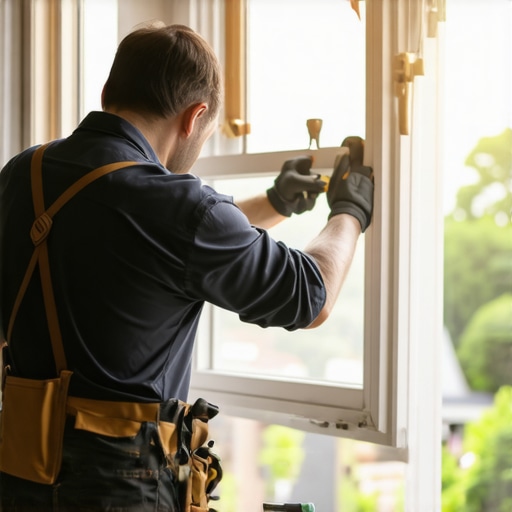
Ever felt that sinking frustration when you notice a draft sneaking through your window or a crack that just won’t quit? I remember the first time I tried to fix my own window. I thought, “How hard can this be?” Turns out, quite a bit! My initial attempt was a mess—more time spent fixing my mistake than actually solving the problem. But that lightbulb moment taught me something valuable: replacing or repairing windows isn’t just about DIY bravado; it’s about knowing what works and what doesn’t.
Why Fast, Trustworthy Window Repairs Make All the Difference
In my experience, a quick fix can turn into a long-term headache if you don’t choose the right approach. Old, leaky windows aren’t just annoying—they can hike up your energy bills and compromise your home’s comfort and safety. That’s why I’ve been on a mission to find reliable tips that actually work. If you’ve been putting off that window repair because it seems complicated or expensive, I get it. I’m here to tell you that with a little guidance, you can handle it yourself—and do it right the first time.
Is DIY Window Repair Really Worth the Hype?
Many homeowners worry about making mistakes, especially when it comes to something as essential as their windows. Early on, I made the costly mistake of trying to replace a window without proper tools or knowledge. The result? A shoddy job that needed professional help anyway. That’s why I now recommend checking out trusted resources like these trusted tips and guides to avoid common pitfalls. It’s all about knowing what to do and what to leave to the pros.
In this post, I’ll walk you through practical, proven strategies that make window replacement and repair faster, easier, and more effective. Whether you’re tackling a minor repair or planning a full replacement, these insights will help you save money and avoid the headaches that come with DIY missteps. Ready to get started? Let’s dive into the first essential step that could save you hours—and a lot of frustration.
Assess the Damage Before You Start
Begin by inspecting your window thoroughly. Look for cracks, broken glass, or warped frames. Take out a notepad or your phone to jot down what needs fixing. When I faced my first window repair, I spent extra time identifying all the issues—this saved me headaches later. Remember, a clear plan makes the repair process smoother and faster.
Gather the Right Tools and Materials
Having the proper tools is like using the right ingredients in a recipe. You’ll need gloves, safety glasses, a putty knife, a screwdriver, a caulking gun, and replacement glass or window parts. For sealing, use weatherproof caulk. I once tried to improvise with old tools, but it only slowed me down. For reliable results, check trusted resources like these trusted tips to get the best tools and materials.
Remove Old Glass or Damaged Parts Carefully
Start by removing any broken glass or old sealant. Use gloves and safety glasses—broken glass can be sharp. Score the edges with a putty knife to loosen the glass, then gently lift it out. When I replaced my living room window, I made a mess initially by applying too much force; however, taking my time prevented accidents and ensured a cleaner removal. This step is crucial—rushing can cause further damage or injury.
Prepare the Frame for New Installation
Clean the frame thoroughly, removing dust and old sealant. Inspect for rot or damage; if found, repair or replace the frame before proceeding. Apply a new layer of weatherproof paint or primer if necessary. I learned that a well-prepared frame guarantees the longevity of your repair. For comprehensive guidance, consider visiting these solutions.
Install New Glass or Replacement Parts
Carefully fit the new glass into the frame, ensuring it sits snugly. Use glazier’s points or clips if needed. Seal the edges with weatherproof caulk to prevent leaks. Be patient—aligning the glass properly avoids future issues. I once hurried this step, resulting in leaks, which I fixed later. Take your time for a perfect fit.
Seal and Finish the Repair
Apply a continuous bead of caulk around the edges. Smooth it with a putty knife for a clean look. Clean up excess caulk before it dries. This final step ensures your window is airtight and weather-resistant. I found that neat finishing not only looks better but also extends the life of your repair. For further tips, visit these strategies.
Test Your Work and Make Adjustments
Once everything is dry, test your window by opening and closing it. Check for drafts or leaks—if you find any, add a little more sealant or adjust the frame. This step is critical for ensuring durability. When I did my first repair, a quick test revealed a small leak, which I fixed immediately, saving me future frustration.
Following these steps ensures a reliable, quick window repair. Remember, preparation and patience are your best tools. For ongoing maintenance tips, explore trusted repair tips regularly. Happy fixing!
Many homeowners operate under assumptions about window repair that can actually hinder their efforts or lead to costly mistakes. Let’s dig into some of the most widespread misconceptions and uncover the hidden nuances that can make your repair projects more successful.
Why does everyone think DIY is always cheaper and better?
It’s a common belief that DIY window repair will save you money and give you better results. However, in my experience, this isn’t always the case. Many think that buying cheap tools or rushing through the process will suffice, but it often leads to subpar repairs or even damage that requires professional intervention later. Proper tools, materials, and techniques are essential for reliable, lasting results. For example, using the wrong type of caulk or attempting to install glass without the right glazier’s tools can cause leaks or cracks that worsen over time. If you want to avoid these pitfalls, I recommend exploring trusted repair tips and knowing your limits.
What’s the most common mistake people make when sealing a window?
Many believe that applying a thick bead of caulk is enough to seal a window properly. The truth is, the key lies in the preparation and technique. Applying too much caulk can cause uneven sealing and messy finishes, which might trap moisture or leave gaps. Conversely, not filling all gaps thoroughly can lead to drafts or leaks. The secret is to use a smooth, continuous bead, and to smooth it out with a putty knife for a clean finish. Also, ensuring the frame is clean and dry before sealing is critical. I’ve seen DIYers rush this step, resulting in leaks that only get worse with time. For more detailed guidance, check out these solutions.
Advanced Question: How do I tell if a window’s damage requires full replacement or just repair?
This is where many get it wrong. Some assume that any crack or leak means a full replacement is necessary, but that’s not always true. Small cracks or minor seal failures can often be repaired effectively, saving you money and effort. However, structural damage, warped frames, or extensive rot usually require a full window replacement. An expert can help assess whether a repair will last or if replacement is the better investment. According to industry studies, proper evaluation can extend the life of existing windows by years when repairs are feasible. For trusted advice on this process, visit this guide.
Remember, understanding the nuances and avoiding common myths can dramatically improve your window repair outcomes. Don’t rush into fixes without proper knowledge, as it might cost you more in the long run. If you’ve ever fallen into this trap, let me know in the comments!
Keeping your windows in top shape requires more than just the initial repair — it’s about ongoing maintenance and using the right tools to ensure longevity. Over the years, I’ve tested various equipment and techniques that have made my DIY projects more efficient and durable. If you’re serious about maintaining your windows and avoiding costly replacements, investing in high-quality tools and following a consistent upkeep routine is crucial.
Why Investing in Proper Maintenance Tools Pays Off
Using the right tools not only speeds up your repair process but also improves the quality of your work. For example, I personally recommend a high-grade caulking gun like the Ryobi One+ Cordless Caulking Gun. It offers smooth application and adjustable flow control, which helps in applying even beads of sealant — a key factor in preventing leaks and drafts. Additionally, a precision glass cutter is invaluable for clean cuts when replacing panes, minimizing cracks or chips that could compromise the window’s integrity.
Regular maintenance involves inspecting seals, cleaning tracks, and reapplying weatherproofing as needed. For this, I rely on a durable multi-purpose scraper and a microfiber cleaning cloth to keep debris away from critical areas. These tools help me catch minor issues early, extending the lifespan of my windows and saving money in the long run.
The Future of Window Maintenance
Technological advances are making window maintenance smarter and more efficient. Smart sensors embedded in window frames can now alert homeowners to seal degradation or moisture buildup, enabling proactive repairs. As these innovations become more affordable, I predict a shift toward fully automated or app-controlled maintenance routines that will make DIY window upkeep even easier.
How do I keep my windows working smoothly over time?
Establishing a routine inspection schedule is key. I recommend checking your windows at least twice a year — once in spring and fall — to identify and address potential issues before they escalate. Lubricating moving parts with silicone-based sprays, like trusted lubricants, helps maintain smooth operation. Additionally, reapplying weatherproof sealant every few years keeps drafts and moisture at bay, prolonging your window’s life.
Remember, the combination of high-quality tools and consistent upkeep can dramatically extend the effectiveness of your repairs. If you’re looking for specific product suggestions or maintenance strategies, I encourage you to explore trusted repair tips to stay ahead of common issues and ensure your windows remain reliable for years to come.
Now, I challenge you to try out a professional-grade caulking gun and see how much smoother and cleaner your sealant application becomes. Small upgrades like this can make a significant difference in your DIY repair results!
The Hardest Lesson I Learned About Window Repairs
One of the most valuable lessons I discovered was the importance of patience and preparation. Rushing into a repair without proper tools or understanding often led to more problems, like cracks or leaks that only worsened over time. Taking the time to assess damage accurately and gather quality materials saved me from costly mistakes later.
My Essential Toolkit for Window Fixes
Over the years, I’ve curated a set of reliable tools that make repairs smoother and more professional-looking. A high-quality caulking gun like the Ryobi One+ Cordless Caulking Gun ensures even application, reducing mess and increasing seal effectiveness. A precision glass cutter helps in making clean cuts, preventing chips and cracks, and a sturdy multi-purpose scraper keeps the frame clean and ready for sealing. Trust me, investing in these tools is worth it for long-lasting results.
What I Wish I Knew Before My First Repair
Most homeowners underestimate the importance of frame preparation. Cleaning thoroughly and inspecting for rot or structural damage before installing new glass can extend the life of your repair significantly. Also, understanding the difference between minor fixes and full replacements is crucial. Small cracks or seal failures are usually repairable, but extensive damage calls for a full window replacement to ensure safety and durability.
Keep Your Windows Running Smoothly
Routine maintenance is the secret to avoiding emergency repairs. I recommend checking your windows twice a year, lubricating moving parts with a silicone spray, and reapplying weatherproof sealant every few years. Using trusted solutions like these strategies helps keep your windows in top shape, saving you money and stress in the long run.
Where to Go from Here
If you’re serious about maintaining your windows and avoiding unnecessary replacements, start with quality tools and a solid plan. For more in-depth advice and trusted tips, explore resources like these trusted tips. Remember, patience and preparation are your best allies for a durable, cost-effective window repair journey.