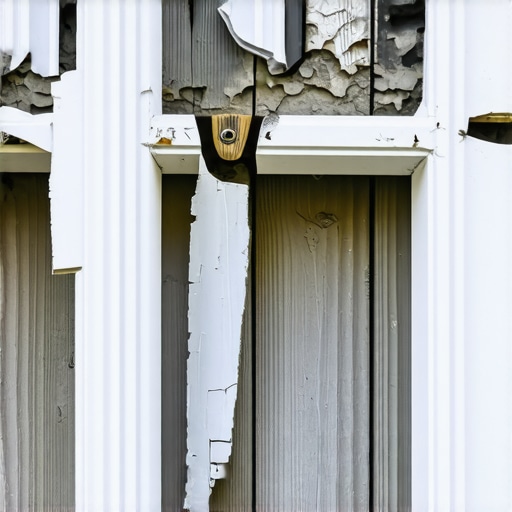
The Hidden Deception of a Fresh Coat of Paint
I recently pulled a wood window out of a house in a damp coastal suburb and the header was completely black with rot. On the outside, it looked pristine. Why? The homeowner had just paid for a professional paint job, and the painters had done exactly what they were told: they covered the cracks. The previous installer had relied on the nailing fin instead of proper flashing tape, creating a microscopic channel where water could enter but never escape. This is the reality of the ‘caulk-and-walk’ culture in modern construction. When we talk about window repair, we are often talking about a forensic investigation into why a structure is failing from the inside out.
“Installation is just as critical as the window performance itself. A high-performance window installed poorly will fail.” AAMA Installation Masters Guide
The Physics of Vapor Drive and Trapped Moisture
To understand why your window frame is rotting under the paint, you have to understand the Dew Point. In cold climates, the interior of your home is a pressurized vessel of warm, humid air. This air wants to move toward the cold, dry exterior. This is called vapor drive. If your wood sash or frame is not properly ventilated or if the exterior paint acts as a total vapor barrier, moisture becomes trapped at the interface between the wood fibers and the paint film. Over time, the lignin in the wood breaks down. You might see a small bubble in the paint and think you need a window cleaner to scrub it off, but that bubble is actually a reservoir of fungal growth. When we perform a window repair on these units, we often find that the wood has the consistency of wet cardboard despite looking solid from ten feet away.
The Shingle Principle: Why Flashing Systems Fail
Water management is a science, not an afterthought. The fundamental rule of glazing is the Shingle Principle: every layer of the building envelope must shed water to the layer below it and eventually to the exterior. Most rot occurs because of a failure in the Rough Opening preparation. If the Sill Pan is not sloped or if the Flashing Tape was applied in the wrong order (bottom over top instead of top over bottom), gravity will pull moisture directly into the wall cavity. This is why a full frame tear-out is often superior to a pocket replacement. A pocket replacement, or insert, stays within the existing frame, which might already be compromised. If you choose to replace windows, you must ensure the installer addresses the integrated drainage system, including the Drip Cap and the Weep Hole functionality.
“The window installation shall be designed to provide a weather-resistant barrier and shall be integrated with the water-resistive barrier of the wall.” ASTM E2112 Standard Practice
The Role of the Glazing Bead and Muntin in Water Infiltration
The glass itself is rarely the source of a leak, but the Glazing Bead is a different story. This is the strip that holds the glass in place within the Sash. If the sealant behind the glazing bead fails, water will sit in the bottom of the sash channel. In many older wood windows, the Muntin bars (the grids that divide the glass) create dozens of tiny horizontal ledges where water can pool. If the paint on these Muntins cracks even slightly, capillary action sucks water into the end grain of the wood. This is the most common reason homeowners eventually decide to replace windows rather than continue the cycle of endless window repair. Modern fiberglass or thermally broken aluminum frames eliminate this risk by using non-organic materials that do not support fungal growth.
Condensation: The Killer from Within
In Northern climates, the enemy is often heat loss leading to condensation. When you have a low U-Factor window, the interior glass surface stays warmer, preventing the air from reaching its dew point and dumping water on the sill. However, if you have old single-pane units or windows with failing spacers, the glass edge becomes a cold spot. Water pools on the bottom rail, seeps under the paint, and begins the rot process. A proper window cleaner might notice the black spotting along the edge of the glass, which is a primary indicator of mold. If you see this, your window repair window is closing, and you are entering the territory of a total replacement. We use a Shim to level the new unit within the rough opening, ensuring that the frame remains square and the seals are never under undue stress, which prevents future air and water bypass.