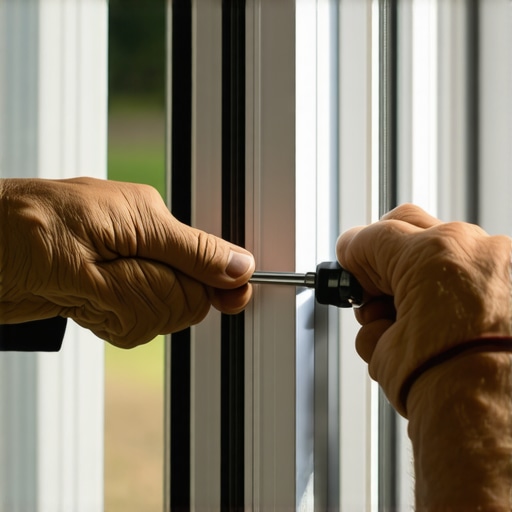
Understanding the Mechanics of a Seized Casement
A stuck casement window is more than a minor annoyance; it is a breach in your home’s thermal envelope and a potential security liability. In my twenty-five years as a glazier, I have seen homeowners nearly rip the crank handles off their operators trying to force a sash that simply needed a bit of technical attention. When we talk about an operable window like a casement, we are dealing with a complex mechanical system involving torque, friction, and precision alignment. Unlike a double-hung window that relies on balances, a casement uses a geared operator and a track system to project the sash outward. If any part of this geometry is off by even a few millimeters, the system binds.
“Installation is just as critical as the window performance itself. A high-performance window installed poorly will fail.” – AAMA Installation Masters Guide
A homeowner called me in a panic because their new windows were ‘sweating’ and the master bedroom casement was effectively fused shut. I walked in with my hygrometer and showed them the humidity was 60%. It wasn’t just the windows; it was their lifestyle choices combined with a lack of ventilation. That excess moisture had caused the wooden glazing bead to swell slightly, and the resulting condensation had migrated into the hardware tracks, causing the factory lubricant to emulsify and then harden into a sticky paste. This is a classic example of why understanding the physics of your rough opening and internal climate is vital for window repair.
The Anatomy of the Bind: Why Casements Fail
In Northern climates, we face a specific set of challenges. Heat loss and condensation are the primary enemies. When the U-Factor is not optimized for cold winters, the interior surface of the glass remains cold, leading to localized humidity spikes at the sash perimeter. This moisture often finds its way into the operator housing. The mechanical operator is a worm-gear system. When you turn the handle, you rotate a worm gear that drives a larger gear attached to the arm. If the arm is restricted by debris in the track or a warped frame, the pressure on those gears becomes immense. This is where most people make the mistake of over-cranking, which strips the internal splines.
Before you consider the need to replace windows, you must perform what I call a hardware autopsy. Open the window as much as possible to inspect the hinge tracks. These tracks are often the culprit. In areas with high pollen or dust, the lubricant on these tracks acts as a magnet for grit. This creates a grinding paste that increases the force required to move the sash. A simple window cleaner is not enough here; you need a degreaser followed by a dry-film lubricant. Never use heavy oils or WD-40, as they attract more debris and eventually lead to further sticking.
Step-by-Step Technical Restoration
First, inspect the weep holes at the bottom of the frame. If these are clogged, water backs up into the track area, causing wooden frames to expand or metal components to corrode. Clear any debris with a small wire. Next, examine the shim placement around the frame. If the house has settled, the rough opening may have compressed, putting pressure on the window frame and causing it to ‘smile’ or ‘frown.’ This slight bowing is often enough to make the sash rub against the frame, creating the sticking sensation.
“Properly maintained fenestration products are essential for achieving the designed energy efficiency and structural integrity of the building envelope.” – NFRC Performance Standards
To fix a binding sash, you may need to adjust the snubbers. These are the small plastic or metal wedges located on the hinge side of the window that help pull the sash tight against the weatherstripping when closed. If they are misaligned, they will catch during the opening cycle. Loosen the screws, realign the snubber so it guides the sash smoothly, and retighten. If the operator itself is spinning without moving the arm, the splines are likely stripped. You can replace the operator by removing the glazing bead or the interior trim, depending on the manufacturer, and unscrewing the base unit from the sill pan area. This is a far more cost-effective window repair than a full-frame replacement.
Thermal Dynamics and Long-Term Maintenance
In cold regions, we prioritize the U-Factor. A low U-Factor means the window is better at preventing heat from escaping. However, if the window is stuck open even a fraction of an inch because of a faulty mechanism, that U-Factor rating becomes irrelevant. The air infiltration will negate all the benefits of your Argon gas fill or Low-E coatings. Ensuring your casements lock tightly is critical for maintaining the pressure seal. A casement window is unique because it is the only residential window type that acts like a refrigerator door, pressing against a bulb seal. This design provides the best air-tightness of any operable window, provided the hardware is functioning correctly.
If you find that your windows are consistently difficult to operate despite cleaning and lubrication, it may be time to replace windows with a more stable material like fiberglass. Unlike vinyl, which has a high coefficient of thermal expansion and can warp in extreme temperature swings, fiberglass remains rigid. This rigidity ensures that the hardware remains aligned throughout the seasons, preventing the ‘stuck’ scenario from recurring. Remember, a window is a high-performance machine. You wouldn’t expect your car to run forever without an oil change; don’t expect your windows to operate without periodic hardware maintenance and cleaning. Taking these steps will extend the life of your glazing and keep your home comfortable and efficient for decades.