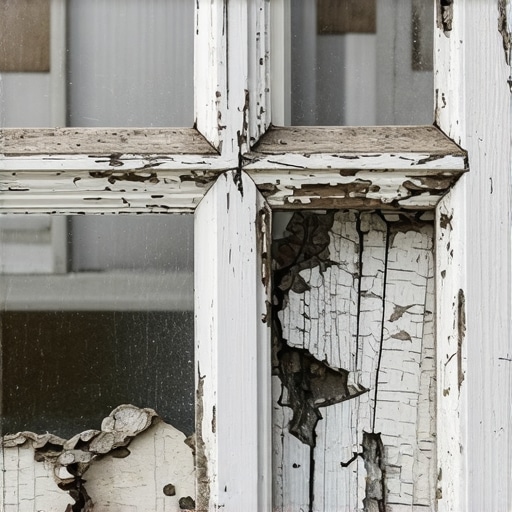
The Anatomy of Timber Decay: Detecting Structural Compromise
In my two and a half decades of inspecting fenestration systems, I have learned that a window is never just a piece of glass; it is a complex moisture management system. When that system fails, the result is the slow, silent destruction of the structural integrity known as dry rot. I remember pulling a timber sash out of a 1910 craftsman in Portland and the header was completely black with rot. The homeowner thought they just needed a simple window cleaner to get the grime off, but as soon as I pressed my thumb against the casing, it sank two inches into the wood. The previous installer had relied on the nailing fin and a bead of cheap caulk instead of proper flashing tape and a dedicated sill pan. That single oversight turned a beautiful architectural feature into a sponge that was actively digesting the house. To effectively manage your home, you must understand the pathology of wood-destroying fungi, specifically Serpula lacrymans.
“Installation is just as critical as the window performance itself. A high-performance window installed poorly will fail.” – AAMA Installation Masters Guide
Identifying the Visual Markers of Cellulose Degradation
Dry rot is a bit of a misnomer; the fungus requires a moisture content of around 20 percent to thrive. The first thing you should look for in old timber window frames is cuboidal cracking. This is where the wood breaks into small, brittle cubes as the fungi consume the cellulose, leaving only the brown lignin behind. You might also notice a white, cotton-like substance known as mycelium spreading across the grain. If you see what looks like orange dust on the sill, those are fungal spores. This is the point where a simple window repair is no longer an option and you must begin to consider the logistics to replace windows. When I inspect a rough opening, I am looking for more than just surface discoloration. I am looking for the loss of structural density. A key tool in this process is a simple flathead screwdriver. By probing the bottom rail and the meeting rail of the sash, you can determine if the timber is sound. If the metal penetrates the wood with little resistance, the cellular structure has collapsed.
The Physics of Water Ingress and the Shingle Principle
Water management is a science governed by the Shingle Principle: every layer of the exterior envelope must shed water to the layer below it and eventually to the exterior. In many older homes, the drip cap—a metal flashing that sits above the exterior casing—is missing or has been painted over so many times that it no longer functions. Without a functional drip cap, water is driven by capillary action into the gap between the window frame and the rough opening. In northern, damp climates, this is exacerbated by the dew point. When warm, humid air from inside the home hits the cold surface of an old single-pane window, it condenses. This liquid water then runs down the glass, past the glazing bead, and pools at the bottom of the wood sash. Over time, this constant wetting cycle creates the perfect petri dish for rot. A proper window cleaner should avoid ammonia-based products that can degrade the glazing putty, as any cracks in that putty serve as a direct conduit for moisture to enter the timber’s end grain.
“The water-resistive barrier must be integrated with the window flashing to ensure that any water entering the system is directed back to the exterior.” – ASTM E2112 Standard Practice
Structural Remediation vs. Full Frame Replacement
Once you have identified rot, the question becomes: repair or replace? A window repair using high-grade architectural epoxies can be effective for localized damage, but it requires surgical precision. You must remove all infected wood and treat the surrounding area with a borate-based fungicide to kill any remaining spores. However, if the rot has reached the sill or the jack studs within the rough opening, the structural integrity is gone. In these cases, you must replace windows entirely. When selecting new units for a cold or wet climate, the U-Factor is your primary metric. A lower U-Factor indicates better thermal resistance, which reduces the temperature differential that causes condensation in the first place. You want to look for units with warm-edge spacers and a Low-E coating on Surface #3 to reflect heat back into the room. This thermal management is the only way to prevent the cycle of moisture that leads back to rot. Do not settle for a pocket replacement if the original frame is compromised; a full-frame tear-out is the only way to ensure the new sill pan and flashing tape are integrated correctly into the home’s weather-resistive barrier.
The Role of Maintenance in Fenestration Longevity
The longevity of a timber window is directly proportional to the maintenance of its coatings. Paint is not just aesthetic; it is a sacrificial layer that protects the wood from UV degradation and moisture. When the paint film cracks, the wood is exposed. Beyond painting, you must ensure that weep holes—small apertures designed to let water escape from the frame—are not clogged with debris or paint. I often see homeowners who, in an attempt to be thorough, caulk the weep holes shut, effectively trapping water inside the frame and accelerating the rot process. A professional approach to window care involves regular inspections of the sealant joints and the condition of the muntins. By catching the early signs of moisture stress, you can avoid the five-figure cost of a full-house window replacement. Remember, the window is a hole in your wall that the elements are constantly trying to exploit. Your job is to ensure the flashing, the sash, and the sealant work in unison to keep the dew point where it belongs: outside the structural envelope.{“@context”: “https://schema.org”, “@type”: “HowTo”, “name”: “How to Spot Dry Rot in Timber Windows”, “step”: [{“@type”: “HowToStep”, “text”: “Inspect the wood for cuboidal cracking or white mycelium growth.”}, {“@type”: “HowToStep”, “text”: “Perform a probe test using a screwdriver to check for soft spots in the sash and sill.”}, {“@type”: “HowToStep”, “text”: “Check for orange fungal spores or a musty odor near the window frame.”}, {“@type”: “HowToStep”, “text”: “Evaluate the condition of the drip cap and exterior flashing for water ingress points.”}]}