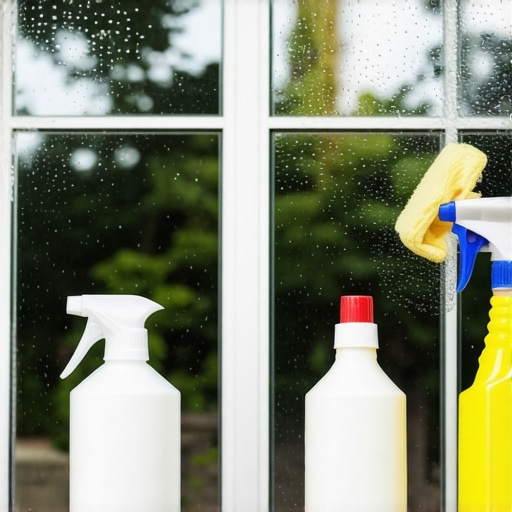
The Chemistry of Neglect: Why Bird Droppings are a Threat to Your Fenestration
A homeowner called me in a panic because their new windows were ‘sweating.’ I walked in with my hygrometer and showed them the humidity was 60%. It wasn’t the windows; it was their lifestyle. However, as I stood there inspecting the perimeter of their high-performance units, I noticed something far more sinister than interior humidity: the exterior glass was pockmarked with baked-on avian waste. In the high-heat environments of states like Texas or Arizona, bird droppings aren’t just an eyesore; they are a chemical propellant for glass degradation. As a glazier with over two decades in the field, I have seen ‘window cleaner’ rookies ruin a perfectly good Surface #2 Low-E coating because they did not understand the molecular interaction between uric acid and solar heat gain coefficients. To preserve your investment, you must treat your glass like the precision-engineered thermal barrier it is, not just a transparent piece of sand.
“Installation is just as critical as the window performance itself. A high-performance window installed poorly will fail.” – AAMA Installation Masters Guide
The Science of Solar Heat and Acidic Etching
In southern climates where the Solar Heat Gain Coefficient (SHGC) is the primary metric of success, we typically place our Low-E coatings on Surface #2. This is the inner face of the outer pane of glass. When bird droppings sit on the exterior surface (Surface #1), they create a localized thermal bridge. Because the dropping is opaque and dark, it absorbs radiant energy much faster than the surrounding clear glass. This creates a ‘Delta T’ or temperature differential across the pane. In extreme heat, this localized stress can lead to thermal shock, especially if the glass is not tempered. Furthermore, bird waste contains uric acid with a pH level between 3.0 and 4.5. When the sun bakes this acid into the glass, it begins a process called etching. If you wait too long, no amount of cleaning will fix it; you will be looking to replace windows because the physical structure of the glass surface has been altered. This is why a regular maintenance schedule is not optional; it is a structural necessity.
The Installation Autopsy: Why Water Management Matters During Cleaning
When you set out to clean your windows, you are introducing a high volume of water to the ‘Rough Opening’ of your home. This is where most amateur ‘window cleaner’ services fail. They blast the window with a hose, completely ignoring the ‘Shingle Principle.’ Water must always flow down and out. Your window system is designed with a ‘Sill Pan’ and ‘Weep Holes’ to manage moisture. If those weep holes are clogged with debris or if you use high-pressure water that bypasses the ‘Glazing Bead,’ you are forcing water into the ‘Rough Opening’ where it can sit against the ‘Shim’ and ‘Flashing Tape.’ Over time, this leads to the very rot I often find during a ‘window repair’ job. A Master Glazier knows that the seal between the ‘Sash’ and the frame is only as good as its last maintenance cycle. Use a gentle flow of water and ensure the weep holes are clear before you begin, allowing the drainage system to function as the engineers intended.
“The moisture management system of a window assembly must be maintained to prevent internal wall damage.” – ASTM E2112 Standard Practice
The Master Glazier’s Protocol for Safe Removal
To safely remove these deposits without scratching the glass or damaging the ‘Muntin’ bars, you must follow a strict saturation protocol. Never, under any circumstances, use a dry scraper. I have seen countless ‘Tin Man’ installers try to hide glass scratches with wax, but a true professional knows that once you scratch the fire-polished surface of the glass, the clarity is gone forever. First, saturate the dropping with a mixture of deionized water and a pH-neutral surfactant. Let it sit for at least five minutes. This allows the uric acid crystals to soften. Then, using a microfiber cloth, gently lift the debris. Do not scrub in a circular motion, as this can trap grit against the glass and create ‘swirl marks.’ If the debris is stubborn, use a plastic putty knife, never carbon steel. Remember that in southern climates, our glass is often ‘Soft-Coat’ Low-E. While this coating is usually protected inside the IGU (Insulated Glass Unit), the exterior surface can still be sensitive to aggressive mechanical abrasion. If you find that the dropping has left a ghost-like image after removal, the glass has been etched, and you may need a professional-grade cerium oxide polish to restore the surface, though this is a delicate ‘window repair’ task that most homeowners should avoid.
The Thermal Logic of Cleaning in the Sun
Timing is everything in a hot climate. If you clean your windows when the glass is under direct solar load, the water will evaporate too quickly, leaving behind mineral deposits known as ‘hard water spots.’ These minerals can bond to the glass, creating a ‘hydrophilic’ surface that attracts even more dirt and bird droppings. Always clean in the early morning or late evening when the glass temperature is stable. This prevents the cleaning solution from flashing off and ensures that you can properly rinse the ‘Sash’ and ‘Sill’ without leaving residues. When we talk about window performance, we often focus on the U-Factor or the gas fill between the panes, but the cleanliness of Surface #1 is what determines your ‘Visible Transmittance’ (VT). A dirty window reduces the natural light entering your home, which often leads to people turning on interior lights, inadvertently increasing their energy load. By maintaining a clean exterior, you are maximizing the technical specifications of the window you paid for. If the seals are failing and you see fogging, cleaning won’t help; it’s time to replace windows with modern units that feature warm-edge spacers and argon gas fills to handle the southern heat.