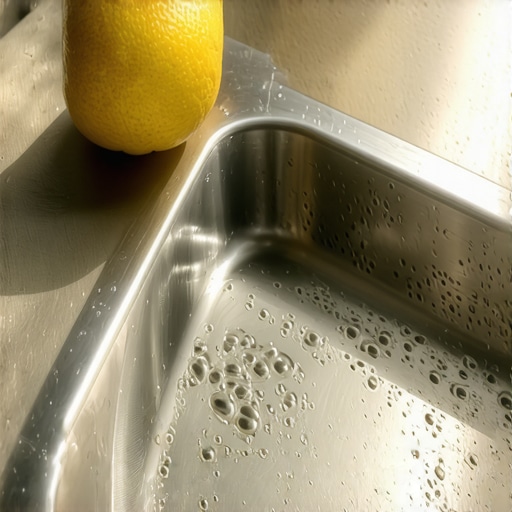
The Chemistry of Clarity: Why a Master Glazier Reaches for the Fruit Bowl
In my twenty-five years of handling everything from high-velocity hurricane glass to delicate historic restoration, I have seen homeowners spend thousands on a specialized window cleaner only to find their views still obscured by a milky haze. This is not just dirt. It is a chemical bond. When you see those stubborn white spots, you are looking at a crust of calcium carbonate and magnesium. To a glazier, this is the beginning of glass corrosion. If left untreated, these minerals can etch the surface of the glass, leading to a permanent degradation of the substrate that no amount of scrubbing can fix. While many people think of a window as a solid, impenetrable sheet, it is actually an amorphous solid with a microscopic surface profile that can trap minerals. That is where the humble lemon comes in. The citric acid in a lemon acts as a natural chelating agent, breaking the ionic bonds of the mineral deposits without the harshness of industrial hydrofluoric acid treatments that can damage the surrounding aluminum frames or the glazing bead.
“Installation is just as critical as the window performance itself. A high-performance window installed poorly will fail.” AAMA Installation Masters Guide
I recall a specific instance where a homeowner in a high-heat region called me in a panic because their new windows were ‘sweating’ and developed heavy white staining within months. I walked in with my hygrometer and a bag of lemons. I showed them that the humidity in their home was at 60 percent while their exterior irrigation system was hitting the glass every morning at 5 AM. It was not a failure of the window seal; it was their lifestyle and maintenance routine. The ‘sweat’ was internal condensation, and the stains were minerals from the well water. I cut a lemon in half and rubbed it directly onto the glass. Within minutes, the citric acid dissolved the calcium. This saved them from an unnecessary window repair bill, but it also served as a lesson in the physics of the window opening. You have to understand that a window is a system, not just a product.
The Science of Hard Water on Glass Surfaces
In hot, southern climates where the Solar Heat Gain Coefficient (SHGC) is the primary metric for efficiency, windows are often treated with Low-E coatings on Surface #2. This is the inner face of the outer pane of glass. When hard water sits on the exterior surface (Surface #1), the intense radiant heat from the sun acts as a catalyst, baking the minerals into the glass. This is why window repair often becomes necessary in places like Phoenix or Miami. The heat causes the water to evaporate almost instantly, leaving behind a concentrated mineral load. If you are using a standard window cleaner, you are likely just moving the dirt around. The lemon trick works because the pH of lemon juice sits between 2 and 3 on the scale. This acidity is perfectly calibrated to neutralize the alkaline minerals found in hard water. To perform this correctly, slice the lemon and apply the juice directly to the spots. Let it dwell for two to three minutes, but do not let it dry. The acid needs time to work into the rough opening of the mineral’s crystalline structure. Rinse with distilled water to ensure no new minerals are introduced during the cleanup.
When Cleaning Fails: Identifying Structural Issues
Sometimes the stain is not on the surface. If you see a fog that you cannot reach with a lemon, you are looking at an IGU (Insulated Glass Unit) failure. This happens when the primary seal, usually made of polyisobutylene, degrades. Once the seal is compromised, the desiccant inside the spacer bar becomes saturated. At this point, no amount of cleaning will help. You are looking at a full window repair or glass replacement. I always check the weep hole first. If the weep hole is clogged with debris or excess caulk from a ‘caulk-and-walk’ installer, water will back up into the glazing pocket. This standing water eventually rots the wood sash or corrodes the metal spacers in a vinyl window. A window that cannot drain is a window that will fail. During a professional window cleaner session, always inspect the sill pan. If you see standing water, your drainage system is failing, and that lemon juice is the least of your worries.
“The moisture management system of a window assembly must be capable of directing incidental water to the exterior.” ASTM E2112 Standard Practice
For those in the South, I recommend looking at the NFRC label on your units. You want a low SHGC, typically under 0.25, to keep that radiant heat from baking the minerals onto your glass. If you are considering the need to replace windows, look for those with naturally hydrophobic coatings or ‘self-cleaning’ glass that uses titanium dioxide to break down organic matter and allow water to sheet off, taking the minerals with it. This technology reduces the frequency of maintenance and prevents the etching that leads to permanent damage. However, even with the best tech, the shim and level of the frame are paramount. If the window is not plumb, the water will not reach the weep hole, and the cycle of staining and rot begins again.
Practical Maintenance for Longevity
Beyond the lemon trick, maintaining your windows involves checking the flashing tape and the integrity of the muntins. If you have a wood window, check for soft spots at the corners of the sash. If you have vinyl, check for bowing. A master glazier knows that a window is only as good as its rough opening preparation. When I see a homeowner struggling with hard water, I also tell them to check their hardware. If the crank or the latch is sticking, it might be due to salt air or mineral buildup in the tracks. Use a silicone-based lubricant after your acid cleaning to keep the operable parts moving smoothly. This prevents the stress on the frame that leads to seal failure and the inevitable need to replace windows before their time. Remember, the goal is not just a clean window, but a functional thermal barrier that protects your home for decades.