The Technical Reality of Antique Glazing
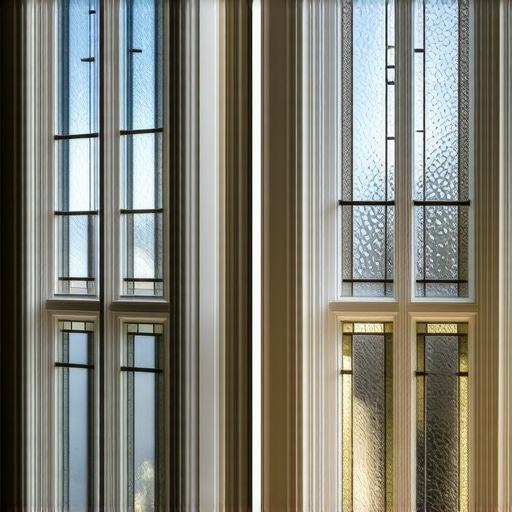
Leaded windows are not merely decorative elements; they are complex structural assemblies that manage light and moisture through a delicate balance of glass, lead cames, and glazing cement. When a homeowner asks about window cleaner recommendations for their 1920s Tudor or Victorian sash, they are usually looking for a cosmetic fix for a deep structural problem. As a master glazier, I look past the dirt. I look at the integrity of the lead cames and the state of the matrix. Most ‘dull’ leaded windows suffer from advanced oxidation and the failure of the glazing cement, which is the linseed-oil-based putty that fills the gap between the glass and the lead. Over eighty years, that cement dries out, turns to dust, and allows the glass to rattle and the air to whistle through the Rough Opening.
“Installation is just as critical as the window performance itself. A high-performance window installed poorly will fail.” AAMA Installation Masters Guide
The Boston Vapor Case: A Lesson in Atmospheric Pressure
I recall a call from a homeowner in a historic Boston district who was convinced their windows were failing because they were ‘sweating’ and ‘milky.’ I walked in with my hygrometer and a high-intensity inspection lamp. It was a classic condensation crisis. The interior humidity was hovering at 55 percent in the dead of winter, and the single-pane leaded glass was acting as a primary condensing surface. The ‘milkiness’ wasn’t dirt; it was the byproduct of a century of cooking vapors and humidity reacting with the lead carbonate on the cames. This reaction creates a stubborn film that standard window cleaner formulas cannot touch. It required a full chemical neutralization of the lead surface and a recalibration of the home’s HVAC system to manage the dew point. It was not a window problem; it was a lifestyle and physics problem.
Decoding the Physics of the Cold Climate Window
In northern climates, the enemy is relentless heat loss and the subsequent condensation. An old leaded window typically has a U-Factor north of 1.0, which, in technical terms, is essentially an open hole in your thermal envelope. When we look at the window repair versus replace windows debate for these historic pieces, we must prioritize the U-Factor. A lower U-Factor means the window is better at keeping the heat inside. For leaded glass, the ‘secret’ to restoration often involves adding a secondary glazing layer. This creates a dead-air space that acts as an insulator, moving the dew point away from the decorative glass. Without this, even the most beautifully polished lead will dull again within months as moisture continues to attack the metal. We focus on the Sash integrity and the use of warm-edge spacers if we are performing a modern retrofit, ensuring that the Rough Opening is properly flashed to prevent the ‘shingle principle’ of water shed from failing.
The Restoration Secret: The Whiting Process
To truly restore the shine, you must go beyond the glass. The secret lies in a material called ‘whiting,’ which is calcium carbonate. After carefully cleaning the glass with a non-ammoniated solution (ammonia is a glazier’s enemy as it degrades lead and certain glass coatings), we apply a paste of linseed oil, lampblack for pigment, and whiting. This is scrubbed into the Glazing Bead and the crevices of the lead cames using a natural-bristle brush. The whiting absorbs excess oil and polishes both the glass and the lead simultaneously. You aren’t just cleaning; you are re-cementing the window. This provides the structural rigidity the window had when it left the studio in 1910. It stops the rattles and provides that deep, charcoal-black contrast against the sparkling glass that defines a high-end restoration.
“Air leakage is often the primary driver of thermal discomfort, far outweighing the R-value of the glass itself in older assemblies.” NFRC Performance Standards
When to Repair and When to Replace
There is a point where window repair becomes a fool’s errand. If the lead cames have become ‘fatigued’—meaning they have bowed or ‘bellied’ more than an inch out of the plane of the window—the internal structure of the lead has crystallized and failed. At this point, you are no longer looking for a cleaner; you are looking for a full re-lead. When homeowners choose to replace windows entirely, they often move to a high-performance fiberglass or thermally broken aluminum frame. While these offer superior SHGC (Solar Heat Gain Coefficient) and U-Factor ratings, they often lack the soul of the original Muntin profiles. For those committed to the historic aesthetic, we often suggest a hybrid approach: restoring the leaded panel and encapsulating it inside a new triple-pane Insulated Glass Unit (IGU). This provides the 21st-century thermal performance of a Low-E coating on Surface 3, reflecting heat back into the room, while preserving the 19th-century craftsmanship. Every Sill Pan and Flashing Tape application must be perfect to ensure this investment lasts another century. Water management is a science, and in the world of leaded glass, moisture is the slow-moving fire that destroys the Rough Opening and the Sash alike. We use Shim blocks to ensure the unit is perfectly level, preventing the structural stress that leads to lead fatigue in the first place. This is not a ‘caulk and walk’ industry; it is an architectural discipline.”