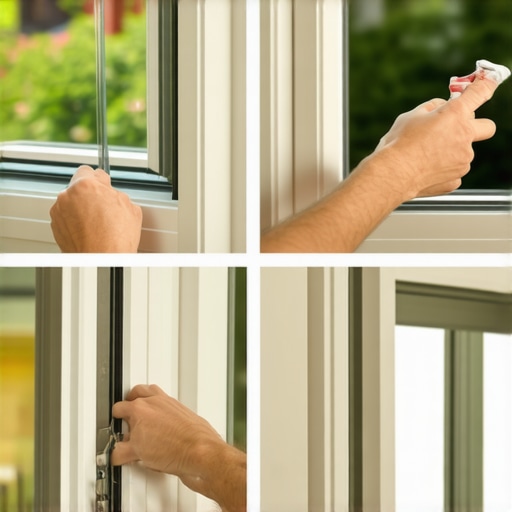
I remember the moment clearly—caught in a rainstorm, trying to close a stubborn window that refused to budge, only to realize that the frame was warped, and my desperation grew. It hit me then: if I didn’t address these issues early, I’d be sinking money into replacements I could have avoided. Sound familiar? Many homeowners face the same frustration when their windows start showing signs of wear, but the good news is that with a few simple, budget-friendly fixes, you can extend the life of your frames significantly.
Why Saving Your Window Frames Matters in 2026
Many people overlook their window frames until it’s too late. Cracks, rotting wood, and warped sashes not only compromise the appearance of your home but also lead to energy inefficiency and increased utility bills. According to a recent study by the EPA, roughly 30% of energy loss in homes comes from poorly sealed or damaged windows. That means investing time in low-cost repairs now can save you hundreds down the line, especially with energy costs projected to rise this year.
Could I Be Wasting Money on Unnecessary Window Replacements?
In my early days of homeownership, I made the mistake of assuming that every window problem required a costly replacement. It wasn’t until I learned about straightforward repairs—like fixing rattles or sealing drafts—that I started saving money and extending the lifespan of my existing windows. It’s tempting to rip out and replace, but often, these issues can be solved with minimal investment. Want proof? Check out how simple fixes like sealing gaps or adjusting tracks can make a huge difference—many of these tips are detailed in trusted guides like [cost-effective window repair tips](https://seethruwindow.com/cost-effective-window-cleaner-repair-tips-for-lasting-trust). Before considering a full replacement, ask yourself: am I addressing the root cause or just the symptom?
As we move forward, I’ll share practical, budget-friendly hacks that I’ve personally tested. These are tricks any homeowner can do—no fancy tools or professional skills required. Whether it’s stopping rattles, sealing drafts, or repairing warped sashes, these low-cost fixes will make your windows more reliable and help you avoid being scammed by overpriced replacements.
Sealing Gaps Effectively
Start by inspecting all sashes and frames for gaps. Use weatherstripping tape—apply it along the edges where drafts escape. For uneven surfaces, fold the tape to fill larger gaps, ensuring a tight seal. I once sealed a drafty window using foam weatherstripping, which instantly reduced energy loss and saved me money. Remember, thorough sealing prevents heat from escaping and keeps utility bills low.
Adjusting and Lubricating Moving Parts
Next, focus on sliders and hinges. Use a screwdriver to tighten loose screws on hinges or tracks. For sliding window sashes stuck or rattling, check the track for debris—clean it with a brush or cloth. Apply a silicone-based lubricant—this reduces friction and prevents squeaks. I learned this after my window started squealing; a quick lube restored smooth operation without replacing the entire sash.
Fixing Warped or Cracked Frames
When you notice warping or small cracks, use wood filler or epoxy designed for windows. Sand the cracked area flush, then apply the filler in layers—allow each to cure. Once sanded smooth, repaint or stain. For severely warped frames, consider reinforcing with tension points or adjusting the sash cords if applicable. I repaired a cracked wooden frame with epoxy, and it held up well through seasonal changes—saving me hundreds compared to a full replacement.
Replacing Worn Weatherstripping
Old weatherstripping loses effectiveness over time. Remove the old material carefully with a putty knife, then thoroughly clean the surface. Cut new weatherstripping to fit, and press firmly into place. Consistent replacement of weather seals keeps drafts and water out, effectively extending the lifespan of your window. I replaced mine with ease using affordable kits, which noticeably improved insulation.
Handling Warping and Structural Issues
For frames with significant warping, especially in older homes, reinforcement might be necessary. Use shims behind the frame if possible, or replace warped sections with new lumber—this is more involved but often cheaper than full window replacement. When I faced a warped sash, I used shims to realign it, which improved operation without costly replacement. An immediate fix can double the window’s lifespan.
When to Hit Play on Replacements
Despite all repairs, sometimes replacement is unavoidable—if the frame is rotted beyond patching or double-glazing is foggy beyond repair. Conduct a simple test: if the pencil can be inserted into rot areas or the glass fogs consistently, it’s time to consider safer, more efficient options. Use the 2026 efficiency checklist to guide your decision. But before ripping out the old, try these low-cost fixes—they often extend the window’s service life significantly.While it’s common to believe that fixing or replacing windows is straightforward, many homeowners overlook critical nuances that can make all the difference in long-term durability and savings. One prevalent myth is that all damage warrants full replacement; however, **advanced repair techniques often offer a cost-effective alternative**. For instance, minor cracks or warping can sometimes be patched with specialized epoxy rather than replacing the entire sash, provided you understand the subtle signs of structural integrity. Rushing into replacements without thorough diagnosis can lead to unnecessary expenses and missed opportunities for smarter repairs.
Why Do So Many Get Window Repairs Wrong?
Many assume that sealing gaps or adjusting hinges solves the problem entirely, but this can be a trap. Without addressing underlying issues like framing rot or insulation failure, repairs serve only as temporary fixes. Furthermore, some DIYers attempt overly simplistic solutions, such as applying weatherstripping without cleaning the surface properly, which diminishes effectiveness. This oversight often results in recurring drafts and increased energy bills, negating the initial savings. For detailed guidance on avoiding these pitfalls, check out [cost-effective window repair tips](https://seethruwindow.com/cost-effective-window-cleaner-repair-tips-for-lasting-trust).
Advanced homeowners also often overlook the importance of testing for hidden damage. For example, the “pencil test”—inspecting rotted or compromised areas by inserting a pencil—can reveal structural issues that are not immediately visible. If wood is soft or crumbly, patching becomes impractical, and replacement is necessary. Ignoring these signs can lead to unsafe conditions and more costly repairs in the future.
Beware of Fixing the Symptom, Not the Cause
This trap is common among DIY enthusiasts who focus on surface repairs like reapplying paint or installing new weatherstripping without investigating deeper issues. For example, a warped sash might seem like a simple fix, but if the problem stems from frame misalignment or water infiltration, superficial repairs won’t hold. Such oversight can cause recurring problems and even damage to the surrounding structure. Turning to trusted sources and expert advice helps identify root causes early, saving money and time in the long run. If you’re unsure, consider consulting professional solutions listed at [trusted window repair services](https://seethruwindow.com/trusted-window-replacement-repair-services-for-your-home-today).
Maintaining a nuanced approach involves understanding when to repair and when replacement becomes unavoidable. For example, if double-glazing fogs up permanently or if the seal is blown, repair might not restore efficiency, and replacement could be wiser. However, even in these cases, ductile or reinforced materials can extend the lifespan of new frames if correctly chosen. Remember, adopting an expert perspective means recognizing the subtle differences and avoiding the common pitfalls many fall into. Have you ever fallen into this trap? Let me know in the comments.
Tools I Recommend for Window Maintenance and Repair
Maintaining windows that function perfectly over the years requires the right equipment. I personally swear by the use of a high-quality cordless drill, which makes tightening hinges or replacing hardware effortless and precise. For sealing gaps, I rely on a durable, self-adhesive weatherstripping tape—much more effective than generic alternatives because it adapts to uneven surfaces and stays flexible in temperature fluctuations. An angled pry bar is invaluable when removing old caulking or peeling off weatherstripping without damaging the frame. For cleaning, I’ve shifted towards using ionic water sprays as detailed in this guide; they cut down on streaks and eliminate chemical residues, making the glass cleaner and more sustainable.
I also recommend investing in a digital moisture meter. It helps detect hidden rot behind the paint or drywall, guiding you precisely on the areas that need reinforcement or patching—saving both time and money. For a quick fix on warped sashes, a clamp and some shims are my go-to tools, allowing me to realign frames without cutting or extensive carpentry. Using quality tools reduces the risk of causing additional damage during repairs and ensures long-lasting results.
Future of Maintenance: Automated and Smart Solutions
Looking ahead, the trend points towards automation and smart sensors that monitor window integrity and alert homeowners to issues early. For example, moisture or pressure sensors could notify you when a frame begins to warp or rot, enabling preemptive repairs rather than reactive ones—and reducing costs overall. As these technologies become more affordable, expect to see a significant boost in DIY maintenance capabilities, which aligns with the DIY community’s shift towards smarter, more connected tools.
How do I keep my windows working seamlessly over time?
The key is consistent, proactive maintenance—checking for drafts, inspecting hinges, and sealing gaps before they worsen. Regular cleaning with streak-free solutions, such as the ones recommended here, not only keeps glass clear but also prevents build-up that can damage seals over time. I suggest setting monthly routines using the right tools; for example, a quick inspection with a moisture meter can reveal early rot, and applying a high-quality silicone lubricant to hinges and tracks prevents squeaks and sticking. Remember, the best way to extend your window’s lifespan is to address issues early with proper tools and techniques, saving you from costly replacements down the road. If you haven’t tried a film-based moisture detector yet, I highly recommend it—it’s a game-changer in early detection. For more advanced hacks, check out these quick fixes. Staying vigilant and armed with the right equipment will keep your windows functioning smoothly for years to come.Over the years, I’ve realized that the most valuable lessons in window maintenance aren’t always found in manuals but through real-life experiences that teach you to look beyond obvious problems. One of my biggest revelations was understanding that many seemingly urgent repairs, like replacing warped sashes or sealing drafts, can often be avoided by addressing overlooked details early on. This shift in perspective saved me hundreds of dollars and extended my window’s lifespan significantly. For instance, noticing a tiny crack and sealing it promptly prevented severe rotting later, proving that proactive care beats reactive fixes every time. Now, I routinely perform quick inspections using my moisture meter, which reveals hidden rot before it becomes a structural nightmare—something I highly recommend to anyone serious about window longevity in 2026. Learning to recognize these subtle signs armed me with confidence, turning window maintenance from a chore into a manageable, cost-effective routine. Remember, the key is staying vigilant and trusting your observations; your windows will thank you for it, and you’ll avoid unnecessary replacements.