The Mechanics of a Mechanical Failure
A loose window handle is more than a minor annoyance; it is a symptom of a mechanical system under duress. After twenty-five years in the glazing trade, I have seen every possible failure point where glass meets frame. You see a handle that wobbles; I see a potential compromise in the thermal envelope. Whether you are dealing with a casement, an awning, or a specialized tilt-and-turn unit, the handle is the primary interface between the user and the window’s complex hardware system. When that interface fails, your ability to manage the Rough Opening—that critical gap in your building’s shell—is severely diminished.
The Condensation Crisis: A Narrative of Mechanical Stress
I recall a homeowner in Chicago who called me in a panic because their brand-new casement windows were ‘sweating’ and the handles felt like they were about to fall off. I walked in with my hygrometer and showed them the humidity in the room was 60 percent. It was not the windows; it was their lifestyle. They were boiling water for pasta and running a humidifier simultaneously. Because the glass was cold, they were cranking the handles with excessive force, trying to squeeze the Sash against the weatherstripping to stop what they perceived as drafts. That over-torquing stripped the splines on the operator. It is a classic case where the operator’s mechanical limits were ignored in a misguided attempt to solve a thermodynamics problem with brute force.
The Anatomy of the Window Operator
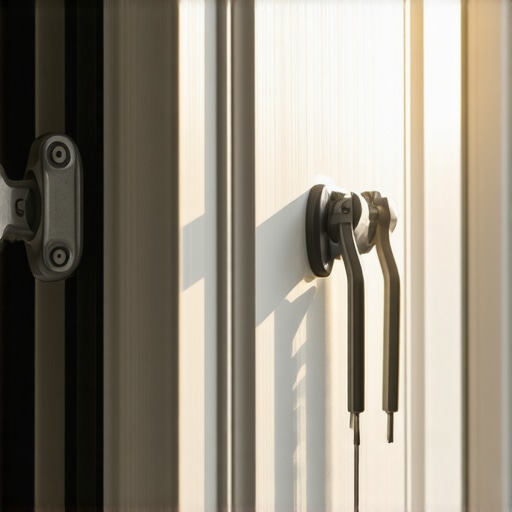
To understand why your handle is loose, we must perform a technical autopsy on the operator. Most modern windows use a worm-gear mechanism. The handle sits on a splined shaft. When you turn the handle, it rotates the worm gear, which then moves the operator arm. The connection between the handle and the shaft is usually secured by a small set screw. Over time, the vibration of operation and the resistance of the Glazing Bead against the frame cause this screw to back out. This is where window repair begins: at the point of physical connection.
“Installation is just as critical as the window performance itself. A high-performance window installed poorly will fail.” AAMA Installation Masters Guide
If you live in a northern climate like Minneapolis or Toronto, the U-Factor is your primary concern. You likely have triple-pane glass with an Argon gas fill. These sashes are heavy. The weight of the glass puts immense pressure on the hinges and the operator. When the temperature drops to sub-zero, the vinyl or wood frame contracts. If the window was not shimmed perfectly during the initial phase to replace windows, the sash might not sit square in the frame. This misalignment creates friction, and that friction is transferred directly to the handle.
The Step-by-Step Fix for Loose Handles
First, identify the type of handle. Most casement handles are ‘nesting’ types or ‘folding’ types. Locate the set screw, typically a small hex-head or a flat-head screw at the base of the handle. If the handle spins but the window does not move, the splines—the little teeth inside the handle or on the shaft—are likely stripped. If the handle just wobbles, the screw is loose. Tighten it, but do not over-tighten, or you risk cracking the die-cast zinc housing. Second, check the alignment. Open the window and look at the operator arm. Is it rubbing against the sill? If so, your sash has sagged. No amount of handle-tightening will fix a sagging sash; you need to adjust the hinges or re-square the unit within the Rough Opening.
The Physics of Thermal Expansion and Friction
In cold climates, we prioritize Low-E coatings on Surface #3 to reflect heat back into the room. This keeps the interior pane warmer. However, the exterior pane remains cold, leading to a thermal gradient that can cause the sash to slightly ‘cup.’ This cupping increases the force required to lock the window. A professional window cleaner often notices this first; they feel the resistance when trying to close a unit after cleaning the exterior glass. Keeping the tracks free of debris is essential. Dirt in the track acts like sandpaper on the operator gears, leading to the very looseness you are trying to fix.
When to Repair and When to Replace
Sometimes, a loose handle is the harbinger of total system failure. If you see metal shavings inside the operator housing, the gears are grinding themselves to dust. This is common in older units where the lubricant has dried out or been washed away by aggressive cleaning. While window repair can extend the life of a unit, there comes a point where the ROI on fixing a thirty-year-old single-pane window is non-existent. At that stage, you must look at the NFRC labels and choose a replacement that matches your climate’s specific SHGC (Solar Heat Gain Coefficient) needs.
“The air leakage rate of a window is just as important as its U-factor. If the hardware cannot pull the sash tight against the weatherstripping, the energy rating is irrelevant.” NFRC Performance Standards
Proper water management is the final piece of the puzzle. If your handle is loose because the wood around the operator has rotted, you have a flashing problem. Every window installation should follow ASTM E2112 standards, utilizing a proper Sill Pan and Flashing Tape. If water has bypassed the Drip Cap and entered the wall, the mechanical fasteners for your window hardware will have nothing but mush to grip onto. This is why I tell homeowners: don’t just look at the glass, look at the hole in the wall.
Maintenance: The Professional’s Secret
To keep your handles tight for good, perform an annual audit. Use a dry silicone spray on the tracks and the operator arms. Avoid grease, which attracts the dust and grit that a window cleaner usually has to scrub away. Ensure the Weep Holes are clear so water doesn’t back up into the frame. Most importantly, if you feel resistance, stop cranking. A window should operate with the pressure of two fingers. Anything more suggests an alignment issue that needs to be addressed at the hinge, not at the handle. By understanding the relationship between the Rough Opening, the Sash, and the operator, you move from being a frustrated homeowner to a steward of your home’s performance.
{“@context”: “https://schema.org”, “@type”: “HowTo”, “name”: “How to Tighten a Loose Window Handle”, “step”: [{“@type”: “HowToStep”, “text”: “Locate the set screw at the base of the window handle using a hex key or screwdriver.”}, {“@type”: “HowToStep”, “text”: “Inspect the splines on the operator shaft for signs of stripping or metal fatigue.”}, {“@type”: “HowToStep”, “text”: “Tighten the set screw firmly while ensuring the handle is fully seated on the shaft.”}, {“@type”: “HowToStep”, “text”: “Clean the window tracks and lubricate the operator arms with a dry silicone spray to reduce mechanical resistance.”}]}