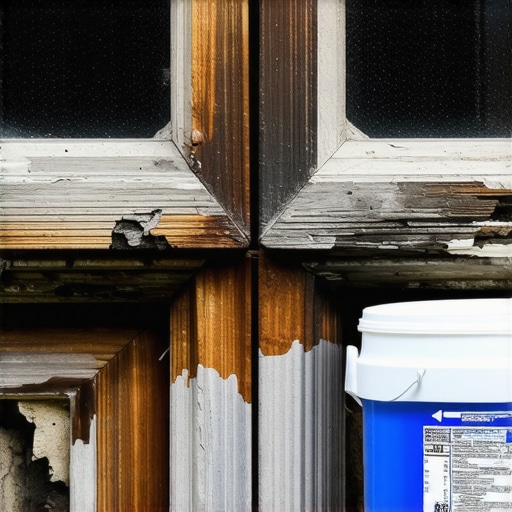
The scent of damp pine and the sight of peeling paint on a window sill are the first sirens of a structural failure that most homeowners ignore until the floor joists start to soften. When you see water pooling against the bottom rail of a wood sash, you are not just looking at a mess; you are looking at the enzymatic breakdown of cellulose. As a glazier with over 25 years in the field, I have seen thousands of windows fail, and 90 percent of the time, the failure started with a fundamental misunderstanding of the Shingle Principle. I pulled a wood double-hung out of a house in a damp coastal climate recently and the header was completely black with rot. Why? The previous installer relied on the nailing fin and a bead of cheap silicone instead of proper flashing tape and a dedicated drip cap. That installer was a caulk-and-walk artist who left the homeowner with a five-figure repair bill because they didn’t understand how water moves. If your window cleaner is complaining about the state of your frames, or if you are considering whether to replace windows or attempt a window repair, you need to understand the physics of moisture management before you reach for your wallet.
The Installation Autopsy: Why Wood Fails
Wood rot is not a mystery; it is biology. For wood-decay fungi like Basidiomycetes to thrive, they need four things: oxygen, a food source (your window frame), a favorable temperature, and moisture content above 20 percent. In a cold climate, the enemy is often interior condensation. When the U-Factor of your glass is too high, the interior surface of the glazing becomes a cold plate. Warm, humid indoor air hits that cold glass, reaches the dew point, and liquefies. That liquid then runs down the glass, bypasses the glazing bead, and sits in the wood crotch where the glass meets the sash. This is where the rot begins.
“Installation is just as critical as the window performance itself. A high-performance window installed poorly will fail.” – AAMA Installation Masters Guide
The Shingle Principle dictates that every layer of your exterior wall must lap over the layer below it. If your head flashing is tucked behind the building wrap, water is diverted into the rough opening. Without a sloped sill pan, that water has nowhere to go but into the jack studs and the subfloor. I have seen magnificent mahogany windows reduced to mulch in five years because the installer skipped the $15 sill pan.
The Science of the $10 Wood Hardener Fix
Is your frame salvageable, or is it time to replace windows entirely? The test is simple: take a flat-head screwdriver and press it into the suspect area. If it sinks in with little resistance, the lignocellulosic structure is compromised. However, if the rot is localized and not structural, a wood hardener can be a miracle in a can. This isn’t just paint. A high-quality wood hardener is typically a low-viscosity resin dissolved in a solvent like acetone. When you apply it to the soft, porous wood, the capillary action draws the resin deep into the tracheids of the wood fiber. As the solvent evaporates, the resin hardens, effectively petrifying the remaining wood fibers and creating a solid base for wood filler. To perform this window repair properly, you must first remove the ‘punky’ wood with a vacuum and a stiff brush. The wood must be bone dry; if you trap moisture inside with a hardener, the rot will continue to bloom underneath the repair like a hidden cancer. After the hardener sets, you use a high-quality two-part epoxy wood filler to rebuild the profile of the sash or sill. This is a technical surgical procedure, not a cosmetic patch.
[image_placeholder]
Climate Logic: Thermal Performance and Condensation
In Northern climates, we fight a constant battle against heat loss. The U-Factor is our primary metric, representing the rate of heat transfer through the window assembly. A lower U-Factor means better insulation. For those of us in the frost belt, we need a warm-edge spacer. Most cheap windows use a metal U-channel spacer that conducts cold directly from the exterior pane to the interior pane, creating a cold perimeter that invites condensation. A non-metal, warm-edge spacer keeps the glazing edge warm, keeping the dew point at bay and protecting your wood frames from moisture.
“The selection of fenestration products should be based on the specific climate zone and the thermal performance requirements of the building envelope.” – ASTM E2112 Standard Practice
If you are in a cold region, you want a Low-E coating on Surface #3. This reflects the long-wave infrared radiation back into your living room, keeping the glass warmer and reducing the likelihood of the very condensation that causes the rot we are trying to fix. If your windows are beyond the help of a hardener, do not settle for a pocket replacement if the original rough opening is compromised. A pocket replacement, where the new window is slipped into the old frame, is often a shortcut that hides existing rot. A full-frame tear-out is the only way to ensure the flashing tape and sill pan are integrated correctly into the weather-resistive barrier of the house.
Trade Cant and Technical Precision
When discussing your options with a contractor, use the right terminology to show you aren’t a mark for a high-pressure sales pitch. Ask about the integrity of the muntins and the condition of the glazing bead. Ensure they are checking the weep holes in the exterior frame; if these are clogged, the frame will hold water like a bucket, leading to rapid decay. Check the shim spacing in the rough opening; windows that are shimmed too tight cannot expand and contract, leading to seal failure and the loss of your Argon or Krypton gas fill. If you see a ‘foggy’ window, the desiccant in the spacer is saturated and the seal is blown. No amount of wood hardener will fix a thermal failure. In the end, window maintenance is about vigilance. Keep the paint film intact, ensure the caulk joints at the brick mold are flexible, and never let your window cleaner use abrasive tools on Low-E glass. A well-maintained wood window can last 100 years, while a neglected one won’t last ten. Pay attention to the science of the opening, and your house will remain dry and efficient for decades.