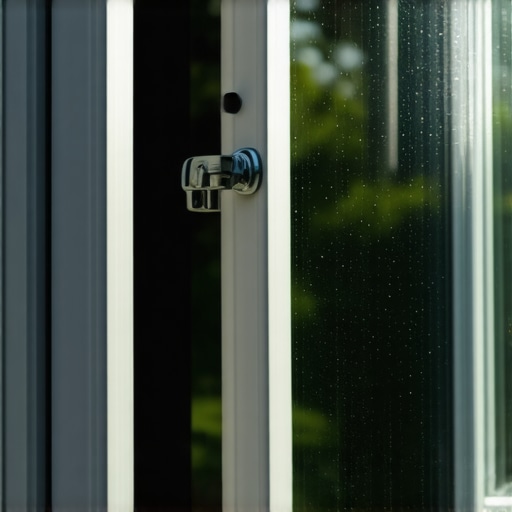
The Rhythmic Clack of Thermal Failure: Understanding the Storm Window Rattle
The rhythmic clacking of a storm window against its frame during a November gale is more than a nuisance; it is a diagnostic signal of a failing thermal envelope. As a master glazier with over 25 years in the field, I have spent decades analyzing the physics of the building pocket. When a homeowner complains about a rattle, they are often describing a breakdown in the mechanical tolerances between the storm unit and the primary window sash. I once pulled a double-hung storm unit out of a historic home where the header was completely black with rot. The previous installer had relied solely on the nailing fin and a bead of cheap latex caulk rather than proper flashing tape and a dedicated sill pan. Water had wicked behind the mounting flange, stayed trapped in the rough opening, and slowly digested the structural wood. This is why we do not just ‘caulk and walk.’ A window is a complex management system for air pressure, moisture, and radiant heat.
The Anatomy of the Rattle: Why Storm Windows Loose Their Seat
A rattling storm window typically stems from three specific failures: hardware fatigue, degraded weatherstripping, or improper sizing during the initial window repair or installation. Storm windows, particularly the triple-track aluminum varieties common in colder northern climates, rely on a friction-fit and mechanical plungers to stay seated. Over decades, the constant cycle of thermal expansion and contraction fatigues the metal. In Minneapolis or Chicago, where the temperature delta between July and January can exceed 100 degrees Fahrenheit, the aluminum frame expands at a different rate than the wood primary frame. This creates a gap where air infiltration can bypass the unit.
“Installation is just as critical as the window performance itself. A high-performance window installed poorly will fail.” – AAMA Installation Masters Guide
When the wind hits the glazing, it creates a pressure differential. If the pile weatherstripping has flattened or the glazing bead has become brittle, the glass will vibrate within the master frame. This is not just about noise; it is about the U-Factor. A rattling window is a leaking window, and every cubic foot of cold air entering that gap increases the conductive heat loss of your primary sash.
Securing the Sash: Technical Solutions for a Stable Window
To secure a rattling storm window, we must look at the mechanical fasteners and the interface between the storm frame and the blind stop. First, inspect the thumb latches or slide bolts. These often become bent or the holes in the tracks become elongated. Replacing these small components is a standard part of window repair that many DIYers overlook. If the rattle persists, the issue is likely the lack of compression. I recommend installing high-density poly-pile weatherstripping along the perimeter of the operable sash. This creates a pressurized seal that dampens vibration. For those considering if they should replace windows entirely, the math often hinges on the condition of the primary wood sash. If the primary sash is sound, a well-tuned storm window can bring the thermal performance close to that of a modern double-pane unit by creating a stable dead-air space. However, this only works if the storm unit is plumb, level, and square within the rough opening.
“Water penetration resistance is a function of both the window design and the integration with the wall system.” – ASTM E2112 Standard Practice
Climate Logic: The Physics of Cold Weather Protection
In northern regions, the primary enemy is heat loss via conduction and air leakage. We focus on the U-Factor, which measures the rate of heat transfer. A secure storm window acts as a sacrificial barrier, protecting the primary window from the elements and moving the dew point further toward the exterior. This prevents condensation from forming on the interior wood, which is the leading cause of sash rot. When you engage a window cleaner, have them check the weep holes at the bottom of the storm frame. If these small holes are clogged with debris or were accidentally painted over, moisture will trap in the sill. This trapped water will eventually find its way into the house, rotting the subsill and the jack studs. Proper window maintenance means ensuring that the storm window can ‘breathe’ to the outside while remaining airtight to the inside. If the rattle is coming from the glass itself, the glazing bead may need to be replaced or resealed with a high-grade silicone to ensure the pane is bedded correctly within the aluminum frame. Do not settle for a temporary fix; the structural integrity of your wall depends on a precise, weather-tight fenestration system.