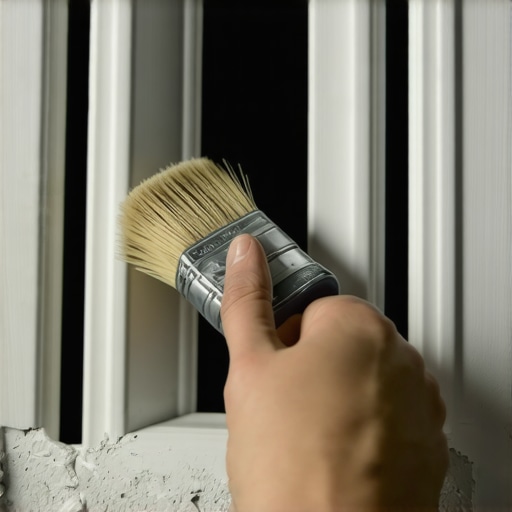
In twenty-five years of setting glass, pulling sashes, and diagnosing building envelope failures, I have seen thousands of homeowners make the same mistake. They invest a fortune to replace windows with high-performance fiberglass or vinyl units, only to watch the mechanical integrity of those systems degrade within five years. They call me for a window repair when the sash sticks or the hardware grinds, expecting a complex mechanical failure. Instead, I usually find a track filled with five pounds of grit, dead insects, and silica dust. Most people reach for a shop vac or a wet rag, but those tools are blunt instruments in a world of precision tolerances. If you want to maintain the thermal performance and operational longevity of your fenestration, you need to reach for an old paintbrush.
“Installation is just as critical as the window performance itself. A high-performance window installed poorly will fail.” AAMA Installation Masters Guide
A homeowner in Minneapolis once called me in a panic because their brand-new, expensive triple-pane windows were sweating at the base of the glass during a cold snap. They were convinced the seal had failed or the argon gas had leaked out. I walked into the house with my hygrometer and found the indoor humidity was hovering at 60 percent. But the real culprit was the debris in the tracks. The dirt had built up so thick that it was preventing the sash from fully compressing against the weatherstripping. This created a micro-gap where cold exterior air was hitting the warm interior air, dropping the temperature of the glass surface below the dew point. It was not a manufacturing defect; it was a maintenance failure. I spent ten minutes with a 2-inch polyester-bristle paintbrush, cleared the track, and the ‘sweating’ stopped immediately.
The Anatomy of a Window Track and the Physics of Friction
To understand why a paintbrush is the superior tool for any window cleaner, you must understand the geography of a modern window frame. Whether you have an operable double-hung or a horizontal slider, the track is not a flat surface. It is a complex series of channels, ridges, and drainage ports known as weep holes. These channels are designed to manage water and air pressure. When dirt enters these channels, it acts as an abrasive. Every time you slide the sash, that grit is grinding against the vinyl or the powder-coated aluminum. [IMAGE_PLACEHOLDER] Over time, this friction destroys the glazing bead and wears down the weatherstripping, which is often made of delicate EPDM rubber or pile weather-stripping. If the weatherstripping is compromised, your U-Factor goes out the window, literally. You lose the insulating value of the unit because air infiltration bypasses the glass entirely.
A vacuum cleaner nozzle is too large to reach the tight corners where the vertical side jamb meets the horizontal sill. A wet rag is even worse; it simply pushes the mud deeper into the weep holes. A paintbrush, specifically one with stiff synthetic bristles, allows you to use a technique I call ‘mechanical agitation.’ You can flick the bristles into the corner of the rough opening and the track grooves to dislodge dry particulate. You are not just wiping; you are excavating. By brushing the debris toward the center and then vacuuming it up, you ensure that no grit remains to act as sandpaper against your window’s moving parts.
The Shingle Principle and Weep Hole Integrity
In the North, we fight heat loss and condensation. In the South, the enemy is Solar Heat Gain and moisture intrusion. Regardless of your climate, the ‘Shingle Principle’ applies: water must always flow down and out. This is the foundation of any sound flashing system and sill pan design. Modern windows are designed to take on a certain amount of water in the track during a heavy rainstorm. That water is then channeled out through weep holes. If you do not clean your tracks with a brush, those weep holes become clogged with a slurry of dust and pollen. When water cannot escape, it backs up. In a wood window, this leads to the sill rotting from the inside out. In a vinyl window, the water can eventually find its way over the interior leg of the frame and onto your drywall, leading to black mold and structural damage.
“Water penetration is the leading cause of premature building envelope failure. Proper maintenance of drainage paths is essential for the long-term performance of the fenestration assembly.” ASTM E2112 Standard Practice
When I perform a window repair on a unit that is leaking, the first thing I check is the weep system. I often find that the homeowner has been using a heavy liquid window cleaner in the tracks, which creates a sticky residue that traps even more dirt. By using a dry paintbrush first, you remove the bulk of the contaminant before it becomes a sludge. This keeps the drainage path clear and ensures that the water management system performs as the engineers intended. This is especially critical for those living in coastal areas where salt spray can crystallize in the tracks. Those salt crystals are incredibly sharp and will eat through hardware and finishes if not brushed away regularly.
Maintaining the Thermal Break and Weather Seals
The technical performance of a window is measured by its NFRC rating. We talk about U-Factor to measure heat transfer and SHGC to measure solar radiation. But those numbers are calculated based on a perfectly sealed unit. If your tracks are dirty, your sash cannot seat properly against the bulb seals or the pile weatherstripping. This creates air leakage. In a cold climate like Chicago or Toronto, even a 1/16th-inch gap caused by a pebble in the track can lead to a significant draft. This draft carries moisture, which hits the cold glass and freezes, further damaging the frame. By using a paintbrush to ensure the track is pristine, you are protecting the airtightness of the assembly. You are ensuring that the multi-point locking system can pull the sash tight against the frame, engaging the seals and maintaining the thermal envelope. If the track is clear, the sash moves easily, the shims remain in place, and the window performs as a unified barrier against the elements.
Pro-Tips for the Master Glazier Approach
When you are cleaning, do not just focus on the bottom track. Brush the side jambs and the head jamb as well. Dust travels down. If the top of the window is dirty, that debris will eventually migrate into the bottom track and the locking mechanism. Use a vacuum with a brush attachment in one hand and your paintbrush in the other. Agitate with the brush and suck up the dust simultaneously. If you encounter sticky residue, use a tiny amount of isopropyl alcohol on the brush bristles. Avoid silicone-based lubricants in the tracks if you live in a dusty environment, as they act as a magnet for grit. A clean, dry track is always better than a lubricated, dirty one. This simple act of maintenance can postpone the need to replace windows by a decade or more. It is the difference between a window that lasts thirty years and one that fails in ten. Stop treating your windows like static pieces of glass and start treating them like the high-performance mechanical valves they are.