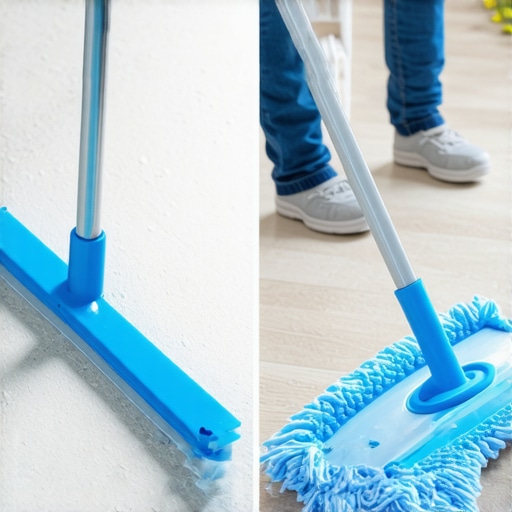
In the world of high-performance fenestration, the way you maintain your glass is just as critical as the installation of the unit itself. As a master glazier with over two decades in the field, I have seen every imaginable failure of the building envelope, from catastrophic structural rot to simple maintenance errors that void a twenty thousand dollar warranty. Most homeowners believe that a professional window cleaner must use a squeegee to achieve a streak-free finish, but that is an outdated perspective rooted in the era of single-pane monolithic glass. Today, the physics of high-efficiency windows demand a more sophisticated approach. A homeowner called me in a panic because their new windows were ‘sweating.’ I walked in with my hygrometer and showed them the humidity was 60 percent. It wasn’t the windows; it was their lifestyle, yet their attempt to clean that condensation with an old-school squeegee was actually scratching the delicate Low-E coating on the interior surface. This is why you must retire the rubber blade and embrace the microfiber flat mop.
The Molecular Reality of Modern Glass
To understand why the microfiber flat mop is superior, we have to look at what glass actually is at a microscopic level. We think of glass as a perfectly flat, non-porous surface, but a glazier knows better. Under magnification, even the highest quality float glass has peaks and valleys. When you use a squeegee, the rubber blade creates a high-pressure mechanical edge that drags across these microscopic features. If there is even a single grain of silica or wind-borne debris trapped under that blade, you aren’t cleaning; you are scratching. In a cold climate like Chicago or Minneapolis, where we prioritize a low U-Factor to retain heat, many modern units feature a soft-coat Low-E on surface number four, the interior side of the glass. Using a squeegee on this surface is a recipe for permanent damage to the metallic oxides that make the window energy efficient.
“Installation is just as critical as the window performance itself. A high-performance window installed poorly will fail.” – AAMA Installation Masters Guide
The same logic applies to maintenance. Microfiber works through a different physical principle: capillary action and electrostatic charge. Instead of dragging a single point of contact across the glass, thousands of tiny loops lift the dirt away from the surface and trap it within the fiber matrix. This prevents the abrasive ‘sandpaper effect’ that occurs when a squeegee blade is used improperly. When you are performing a window repair or simply routine maintenance, protecting the integrity of the glazing bead and the sash is paramount. A squeegee often forces dirty water into the glazing pocket, where it can sit against the primary seal of the Insulated Glass Unit or IGU. This prolonged moisture exposure is the leading cause of premature seal failure, leading to the dreaded ‘foggy window’ that requires you to replace windows entirely.
Understanding Your Windows Technical Specs
Before you even reach for a window cleaner, you must understand what you are looking at. Every modern window should have an NFRC label. In northern climates, we look for a low U-Factor, which measures the rate of non-solar heat loss. The lower the number, the better the window is at keeping the heat inside during a January freeze. This is often achieved through triple-pane construction and the use of Argon or Krypton gas fills between the lites. When you clean these units, you are interacting with a complex thermal barrier. If you apply too much pressure with a squeegee handle, you can actually deflect the glass enough to stress the warm-edge spacers. A microfiber flat mop applies even, low-pressure distribution across the entire surface of the sash, ensuring that you don’t disturb the delicate balance of the IGU seals.
“Proper maintenance of the fenestration system, including the clearing of weep holes and the inspection of sealants, is essential for the long-term performance of the building envelope.” – ASTM E2112 Installation Standard
Furthermore, we must discuss the weep hole system. Many homeowners, in their attempt to be thorough with a squeegee and bucket, inadvertently clog the weep holes located in the sill of the frame. These holes are designed to allow water that enters the glazing track to escape to the exterior. If these are blocked by cleaning residue or debris pushed in by a squeegee, the water will back up into the rough opening. I have seen countless cases where a simple cleaning routine led to a rotted subfloor because the water management system was compromised. A microfiber flat mop allows for a damp-clean method that uses significantly less water, keeping the liquid away from the internal drainage paths and the flashing tape that protects your home’s structure.
The Lifecycle: When Cleaning Becomes Window Repair
As you move from lite to lite with your microfiber mop, you are also performing a critical inspection. This is the time to look for signs of hardware fatigue or seal degradation. Check the operable parts of the window. Does the sash move freely? Is the weatherstripping still resilient, or has it become brittle? If you notice moisture between the panes, no amount of cleaning will help; the desiccant is saturated and the seal is blown. At this point, you are looking at a window repair that involves an IGU swap, or if the frames are also failing, it may be time to replace windows with a more stable material like fiberglass or thermally broken aluminum. Fiberglass is particularly impressive in northern climates because it has a nearly identical expansion and contraction rate to the glass itself, which reduces the stress on the shims and the surrounding rough opening over time.
The Professional Microfiber Technique
To clean like a master glazier, you want a dual-sided microfiber flat mop system. One side should be a high-pile microfiber for the initial pass with a pH-neutral window cleaner. This lifts the heavy particulates. The second side should be a low-pile, tight-weave microfiber for the polishing pass. This technique eliminates the need for a squeegee and the inevitable ‘detailing’ of the edges with a rag. By using a flat mop, you can also reach the top of a tall double-hung or casement window without a ladder, which is a significant safety advantage. You should work from the top of the sash down to the sill, ensuring that you don’t push any moisture into the munitns or the glazing bead. If you have true divided lites, the flat mop is a godsend, as it can cover the entire surface area of the small glass panes without the clunky interference of a squeegee handle.
Conclusion: Protect Your Investment
Your windows are likely the most expensive component of your home’s exterior per square foot. Treating them with the respect they deserve means moving away from aggressive, outdated cleaning tools. The microfiber flat mop is the professional’s choice for maintaining the thermal performance and aesthetic clarity of high-end glazing. It protects the Low-E coatings, preserves the seals, and keeps the water management system clear of debris. Don’t wait until you see rot in the rough opening or fog in the IGU to start caring about your windows. High-performance glass is a precision instrument; clean it like one. If your windows are already past the point of no return, consult with a specialist who understands that a window is more than just glass, it is a critical component of the building’s thermal envelope. “,”image”:{“imagePrompt”:”A close-up of a master glazier using a professional-grade microfiber flat mop to clean a high-efficiency triple-pane window, showing the texture of the microfiber loops against the glass surface with a technical cross-section of a window frame visible in the background.”,”imageTitle”:”Professional Window Cleaning with Microfiber Flat Mop”,”imageAlt”:”A professional glazier cleaning a modern window using a microfiber mop to protect the glass coatings.”},”categoryId”:0,”postTime”:”2023-10-27T10:00:00Z”}