As a master glazier with twenty-five years on the tools, I have seen every imaginable failure in commercial glazing systems. Most people look at a window as a simple piece of glass, but to a professional, it is a complex thermal barrier that must manage moisture, solar energy, and structural loads. When we talk about maintaining these systems, the discussion often turns to the quality of the glass or the integrity of the Glazing Bead. However, the final rinse in a maintenance cycle is where the difference between a amateur and a specialist becomes clear. Using distilled or de-ionized water is not a luxury; it is a technical requirement for preserving the optical and structural integrity of the pane. A homeowner called me in a panic because their expensive new windows were ‘sweating’ and appeared cloudy despite constant cleaning. I walked in with my hygrometer and a TDS meter and showed them the humidity in the room was 60 percent while the glass was covered in mineral deposits from their garden hose. It wasn’t a product failure; it was a maintenance and lifestyle issue that was physically etching the glass.
‘Installation is just as critical as the window performance itself. A high-performance window installed poorly will fail.’ – AAMA Installation Masters Guide
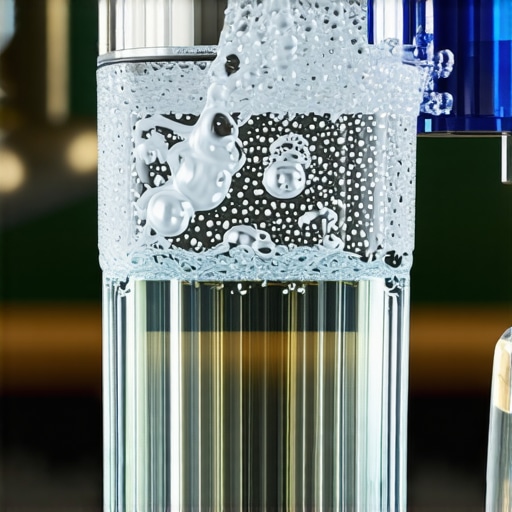
When you are looking to replace windows or perform window repair, you must understand the chemistry of the glass surface. Glass is not perfectly smooth at a molecular level; it is a porous, hydrophilic surface. When you use standard municipal water for cleaning, you are introducing minerals like calcium and magnesium. As the water evaporates, it undergoes a phase change that leaves these dissolved solids behind. These minerals do not just sit on the surface; they bond to the silica. Over time, heat and UV radiation cause these minerals to etch into the glass, creating permanent ‘ghosting’ that no standard window cleaner can remove. In a high-heat climate like Texas or Florida, where the Solar Heat Gain Coefficient (SHGC) is the primary concern, these mineral deposits can actually increase the absorption of infrared radiation at the surface, slightly altering the thermal performance of the unit. For commercial glass, especially those with high-performance Low-E coatings on Surface #2, maintaining the clarity of the exterior lite is essential for the design intent of the building. When we perform a final rinse with distilled water, we are using water with zero parts per million (PPM) of total dissolved solids. This creates a state of high surface energy where the water ‘sheets’ off the glass rather than breaking into droplets. This sheeting action carries away any remaining surfactants used during the scrub. If the Sill Pan and Weep Hole systems are properly cleared, this purified water exits the frame without leaving a trace. This is critical because if mineral-heavy water sits in the tracks or against the Sash, it can lead to the deterioration of the seals.
‘The performance of a fenestration product is dependent on the quality of the materials and the precision of the maintenance and installation protocols.’ – NFRC Performance Standards
In my decades of experience, I have seen countless commercial units where the glass looked ‘blown’ or ‘fogged,’ leading the facility manager to think they needed to replace windows entirely. In reality, it was Stage 2 corrosion caused by hard water rinsing. The calcium had chemically bonded with the glass. In these cases, a simple window cleaner is useless. You are looking at a technical window repair involving cerium oxide polishing, or more often, a full glass replacement. This is why we insist on distilled water for the final rinse. It prevents the ionic bonding of minerals to the pane. We also have to consider the frame materials. Whether it is a thermally broken aluminum frame or a high-end fiberglass Sash, the runoff from mineral-heavy water can leave streaks on the frame that eventually pit the finish. During a window repair, we often find that the Flashing Tape or the Rough Opening has been compromised not by the window failing, but by water being trapped against the frame due to blocked Weep Hole outlets. Clean water ensures these drainage paths stay clear of mineral scale. For those in northern climates, where the U-Factor is the priority, clean glass is just as vital. Dirt and mineral buildup can interfere with the visible transmittance (VT) of the glass, reducing the natural solar heat gain you might actually want during a Minneapolis winter. Whether you are dealing with an Operable casement or a fixed curtain wall, the physics remains the same. If you want the glass to last forty years instead of ten, you must manage the surface chemistry. This means avoiding the ‘caulk-and-walk’ mentality and treating the glass cleaning process as a technical extension of the installation itself. We use Shim techniques to ensure the frame is perfectly level so that the distilled water rinse can evacuate the Sill Pan effectively. Every component, from the Muntin bars to the Glazing Bead, must be considered in the water management strategy.