The Chemistry of Glass Maintenance and Why Most Homeowners Get It Wrong
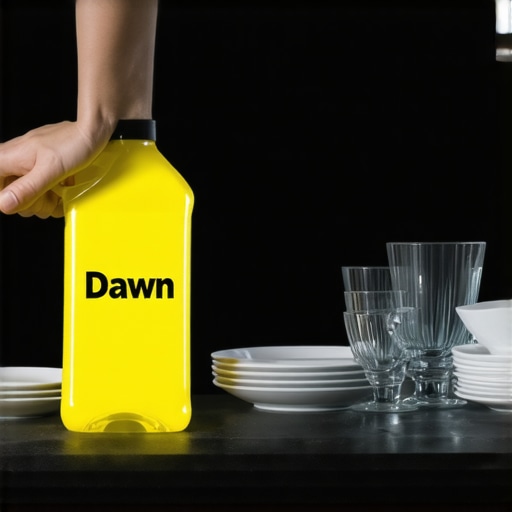
As a master glazier with over two decades in the field, I have seen every possible failure of a window system. I have watched high-end residential projects in Chicago succumb to seal failure because of improper chemical exposure and I have seen historic sash restorations ruined by the very products marketed as luxury cleaners. There is a persistent myth that the more expensive a window cleaner is, the better it protects your investment. In reality, the professional glass industry relies on a simple, blue surfactant: Dawn dish soap. This isn’t about saving a few dollars; it is about the molecular interaction between the cleaner, the glass surface, and the critical sealants that keep your home airtight and dry.
A window is not a static object. It is a dynamic thermal barrier. When you look through a modern insulated glass unit (IGU), you are looking at a complex sandwich of glass, spacer systems, desiccants, and gas fills like Argon. Every time you spray a chemical on that glass, you are introducing a foreign substance to the glazing bead and the secondary seal of the IGU. Many luxury cleaners contain ammonia, alcohol, or proprietary polymers designed to create a temporary shine. While these might look good for twenty-four hours, they are often destructive to the long-term health of the window assembly.
“Installation is just as critical as the window performance itself. A high-performance window installed poorly will fail.” AAMA Installation Masters Guide
I recall a specific incident where a homeowner in a high-rise called me in a panic because their brand-new, high-performance windows appeared to be ‘sweating’ and developing a cloudy haze. I arrived with my hygrometer and a specialized inspection light. After testing the interior humidity, which was a steady 60 percent, I realized the windows weren’t failing. Instead, the homeowner had been using a silicone-based luxury spray. That spray had built up a hydrophobic layer that was trapping microscopic particles and moisture on the surface, mimicking the appearance of a blown seal. I spent the afternoon stripped that ‘luxury’ coating off with a simple solution of Dawn and water, restoring the clarity and the proper function of the glass surface.
The Molecular Advantage of Surfactants
To understand why Dawn is the industry standard for everything from routine window cleaner tasks to post-construction window repair, you have to understand surfactants. Glass, despite how it feels to the touch, is not perfectly smooth. At a microscopic level, float glass has a landscape of peaks and valleys. Dirt, pollen, and industrial pollutants lodge themselves in these valleys. Most luxury cleaners rely on high evaporation rates (alcohol) to prevent streaks, but they often fail to actually lift the dirt out of the glass pores.
Dawn dish soap is a highly effective surfactant. It lowers the surface tension of the water, allowing the solution to penetrate deeper into the microscopic texture of the glass. The molecules in the soap have a hydrophilic head and a hydrophobic tail. The tail attaches to the grease and dirt, while the head stays in the water. When you use a professional squeegee technique, you are physically lifting the encapsulated dirt away from the glass rather than just moving it around with a paper towel. This is critical for maintaining the Solar Heat Gain Coefficient (SHGC) of your glass. Accumulated films from cheap or overly complex cleaners can actually alter the visible transmittance of the glass, making your home darker and less energy efficient over time.
The Enemy of the Seal: Why Ammonia is a Threat
Many homeowners who want to replace windows do so because of seal failure. One of the leading causes of premature seal failure in an operable sash is the use of harsh chemicals. Ammonia is a common ingredient in blue-tinted luxury cleaners because it cuts through grease quickly. However, ammonia is a solvent that can degrade the structural silicone and the polyisobutylene (PIB) used as the primary seal in double-pane windows. If you consistently spray an ammonia-based cleaner on your glass, the runoff collects at the bottom glazing bead and sits against the seal. Over time, this causes the seal to harden, crack, and eventually allow the Argon gas to escape.
Once the gas escapes, the U-Factor of your window—which measures the rate of heat loss—skyrockets. In cold climates like Minneapolis or Toronto, this leads to the dew point moving to the interior surface of the glass, causing condensation, mold, and eventual rot of the rough opening. When you use a neutral pH surfactant like Dawn, you are not introducing solvents that can eat away at these critical components. You are simply cleaning the surface without compromising the structural integrity of the window repair or the original installation.
Proper Cleaning Technique: The Glazier’s Protocol
If you want your windows to last fifty years instead of fifteen, you must treat the cleaning process as a maintenance task rather than a chore. Start by inspecting the weep holes at the bottom of the frame. These are designed to allow water to exit the track. If they are clogged with the waxy residue of luxury cleaners, water will back up and rot your subfloor. Use a vacuum to clear any debris from the track and the sill pan before you ever touch the glass with water.
“The performance of the fenestration system is dependent upon the integrity of the interface between the window and the wall.” ASTM E2112 Standard Practice
Mix two drops of Dawn in a gallon of warm water. You do not want a mountain of suds; you want just enough to break the surface tension. Use a microfiber washer to apply the solution. This is where you address the muntins and the glazing bead. If you have an operable window, such as a double-hung or a casement, make sure you wipe down the weatherstripping with the same mild solution. Salt air in coastal regions or road salt in the north can crystallize on these gaskets, causing them to tear. A mild soap keeps them supple and ensures a tight seal when the window is locked.
The Impact of Low-E Coatings on Cleaning Choice
Modern windows often feature Low-Emissivity (Low-E) coatings. These are microscopically thin layers of silver or other metals deposited on the glass surface. In most IGUs, this coating is on Surface 2 (the inner face of the outer pane) or Surface 3 (the outer face of the inner pane), meaning it is protected inside the gas-filled space. However, some newer ‘High-Solar’ or ‘Passive’ windows have a hard-coat Low-E on Surface 4, which is the side you touch inside your house. Using a luxury cleaner with abrasive particles or acidic pH levels on a Surface 4 coating is a recipe for disaster. It will scratch the coating and leave permanent streaks that no amount of window cleaner can fix. Dawn is safe for these sensitive metallic layers because it lacks the aggressive chemical profile of specialized retail products.
Furthermore, consider the frame material. Whether you have vinyl, fiberglass, or wood, the runoff from your cleaning solution matters. Vinyl windows can become brittle when exposed to certain alcohols. Wood windows that have been painted or stained can experience finish failure if high-pH cleaners are allowed to sit on the sash. Dawn is gentle enough for the feathers of a bird caught in an oil spill, and it is certainly gentle enough for your high-performance window frames. When you replace windows, you are spending thousands of dollars to improve your home’s thermal envelope. It is nonsensical to jeopardize that investment with a ten-dollar bottle of ‘magic’ cleaner that does more harm than good.
Conclusion: The Professional Standard
In the world of professional glazing, we don’t look for shortcuts. We look for methods that preserve the rough opening, the flashing tape, and the glass clarity for the lifetime of the building. The next time you are tempted by a luxury window cleaner that promises a ‘streak-free shine without effort,’ remember that effort is the price of quality. Stick to the basics: a squeegee, a high-quality microfiber, and a few drops of Dawn. This approach ensures that your window repair needs are minimized and that your glass remains as clear as the day it was installed in the factory. Professional results require professional logic, and that logic points toward the simplest, most effective surfactant available.