The Microscopic Reality of Your Window Surfaces
In the world of professional glazing, we do not just look at a window as a piece of transparent material. We see an amorphous solid, a cooled liquid that presents a landscape of molecular peaks and valleys. When a homeowner complains that their glass looks hazy despite constant scrubbing, they are usually seeing the accumulation of surfactants and environmental pollutants trapped within those microscopic pores. This is where the old world trade secret of cornstarch comes into play. It is not about magic; it is about the physics of mechanical absorption and the elimination of the residual films that standard window cleaner products leave behind.
I remember a specific case that perfectly illustrates this. A homeowner in a high humidity region called me in a panic because their expensive new windows were ‘sweating’ and looked permanently foggy. They were convinced the seals had failed within six months. I walked in with my hygrometer and a high intensity inspection light. I showed them that the interior humidity was hovering at 65 percent, and the ‘fog’ was actually a layer of polymerized cooking oils and cleaning product residue that had bonded to the glass surface. It was not a case for window repair or a full replacement; it was a case for a deep molecular cleaning. I used a cornstarch based slurry to strip the glass back to its original factory state, and the ‘leaking seal’ mystery vanished instantly.
“Installation is just as critical as the window performance itself. A high-performance window installed poorly will fail, but a window maintained with improper chemicals will fail just as quickly in the eyes of the consumer.” – AAMA Installation Masters Guide
The Science of the Cornstarch Mirror Finish
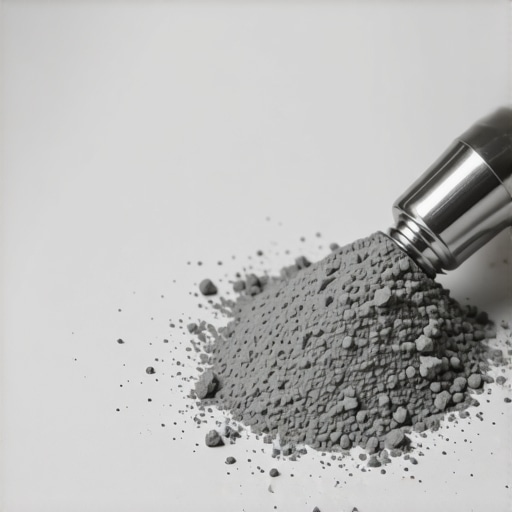
To understand why cornstarch produces a mirror finish, we have to look at the chemistry of a standard window cleaner. Most retail sprays rely on detergents and surfactants. While these are great at lifting dirt, they are terrible at leaving the scene of the crime. They leave behind a microscopic layer of soap that attracts dust and causes streaks when the sun hits the glass at an oblique angle. Cornstarch, or maize starch, acts as a very fine, soft abrasive that is softer than the silica itself, meaning it will never scratch the glass. More importantly, it is highly absorbent. As you buff the glass, the starch granules soak up the oils and water, lifting them entirely off the substrate rather than just moving them around the sash.
When we talk about a mirror finish, we are referring to the maximization of Visible Transmittance (VT). According to the NFRC, VT is a crucial metric for energy efficiency and occupant comfort.
“Visible Transmittance (VT) measures the amount of light in the visible spectrum that passes through a glazing system. High VT is desirable for daylighting, but it requires a clean substrate to meet rated performance.” – NFRC Performance Standards
If your glass is covered in a film of cleaner residue, you are effectively lowering your VT and altering the aesthetics of the building envelope.
The Glazier’s Guide to Deep Cleaning and Inspection
When you are performing this level of cleaning, it is the perfect time to inspect the structural integrity of the window system. A master glazier does not just wipe the glass; we look at the glazing bead. Is it still pliable, or has it become brittle? We look at the weep holes in the bottom of the frame. Are they clear of debris, or will the next rainstorm result in water backing up into the sill pan? If you find that the glass is cloudy on the inside of the double pane unit, no amount of cornstarch will help. That is a sign of desiccant saturation and seal failure, meaning it is time to replace windows or at least the Insulated Glass Unit (IGU).
During a window repair, we often find that moisture has bypassed the flashing tape because the rough opening was not properly sloped. While cleaning, if you notice the wooden sash feels soft or the vinyl frame has significant bowing, you are looking at more than just a surface issue. The stability of the shim and the quality of the original installation are what keep the glass flat. If the frame is twisted, the glass is under stress, which can lead to spontaneous breakage or seal failure over time. Using cornstarch allows you to get close enough to the glass to see these minute stress fractures before they become catastrophic failures.
How to Execute the Mirror Finish Technique
The process involves creating a solution of roughly one tablespoon of cornstarch per quart of warm water. You apply this to the glass, avoiding the muntins and the glazing bead to prevent buildup in the crevices. Once the solution dries to a light haze, you buff it off with a clean microfiber cloth or even crumpled newspaper (the carbon in the ink acts as an additional mild abrasive). The result is a surface that is chemically clean. Without the soap film, rainwater will not cling to the glass as easily, meaning your windows stay cleaner for longer periods. This is the difference between a ‘caulk-and-walk’ mentality and true glazing craftsmanship. We care about the long-term performance of the glass, from the U-factor to the clarity of the view.
If you are considering whether to replace windows or simply invest in professional grade cleaning, look at the numbers. A quality window with a low-E coating on surface number 2 or 3 is a precision instrument. If that coating is on an interior surface, be extremely careful; never use abrasives or cornstarch on exposed soft coats. Most modern residential windows have the coating protected inside the IGU, making the exterior glass surfaces safe for this level of deep cleaning. By maintaining the glass properly, you extend the life of the entire system and ensure that the operable parts of the window do not have to work harder against the weight of accumulated grime and friction.
{“@context”: “https://schema.org”, “@type”: “HowTo”, “name”: “How to Get a Mirror Finish on Glass Using Cornstarch”, “step”: [{“@type”: “HowToStep”, “text”: “Mix one tablespoon of cornstarch with one quart of warm water in a spray bottle or bucket.”}, {“@type”: “HowToStep”, “text”: “Apply the solution to the glass surface using a soft cloth, ensuring you do not saturate the glazing beads.”}, {“@type”: “HowToStep”, “text”: “Allow the mixture to dry until a faint white haze appears on the glass.”}, {“@type”: “HowToStep”, “text”: “Buff the haze away using a clean microfiber cloth, using circular motions to lift all residues and oils.”}]}