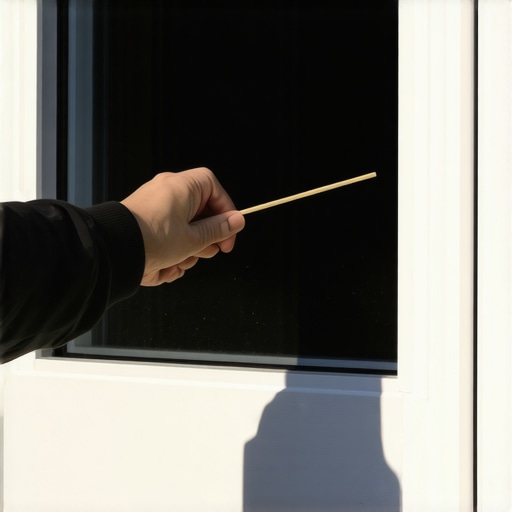
The Critical Science of Window Drainage Systems
In my twenty-five years as a master glazier, I have seen every imaginable failure in window maintenance and installation. Most homeowners, and unfortunately many novice contractors, view a window as a static barrier. They think once you replace windows, the job is finished for twenty years. This is a dangerous fallacy. A window is a dynamic water-management system. It is designed to handle the inevitable reality that water will bypass the glazing bead or the sash seals during a wind-driven rain event. This is where the weep hole becomes the most critical component of your home’s exterior envelope. If these small exit ports are blocked, the entire system fails, leading to structural rot that most people do not notice until it is far too late.
The Condensation Crisis: A Master Glazier Narrative
I remember a specific case in a suburban development where a homeowner called me in a panic because their brand-new, high-efficiency windows were ‘sweating’ and water was pooling on the interior sill. They were ready to sue the manufacturer. I walked in with my hygrometer and a simple wooden skewer. I showed them that their indoor humidity was nearly 60 percent, which was a lifestyle issue, but more importantly, I went outside and found that the window cleaner they hired had applied a thick layer of wax that completely plugged the weep holes. The water had nowhere to go but back into the house. It was not a product failure; it was a maintenance failure. By using that wooden skewer to clear the paths, we restored the pressure balance of the frame instantly.
“Installation is just as critical as the window performance itself. A high-performance window installed poorly will fail.” – AAMA Installation Masters Guide
Glazing Zooming: The Physics of the Weep Hole
To understand why a wooden skewer is the tool of choice for window repair specialists, you must understand the physics of the extrusion. Modern vinyl and aluminum window frames are hollow. They are composed of multiple chambers designed for thermal breaks and structural rigidity. The outermost chambers are designed as a drainage plane. When rain hits the glass, it runs down to the bottom rail. While the sash meets the frame with weatherstripping, no seal is 100 percent waterproof under high wind pressure. Water enters the frame and collects in the sill pan area. The weep hole allows this water to exit via gravity. However, surface tension can often hold a droplet of water inside a small hole, preventing drainage. This is known as capillary action. A wooden skewer is ideal because wood is naturally fibrous and slightly absorbent, which helps break the surface tension of the water trapped by debris without damaging the delicate finish of the operable parts.
Why Metal Tools are the Enemy of Window Longevity
Many people reach for a screwdriver or a metal coat hanger when they notice their windows are not draining. This is a massive mistake. Most window frames are coated with a protective UV-resistant layer or are made of uPVC. A metal tool will scratch the internal walls of the extrusion. Once you scratch that surface, you create a site for jagged debris to catch, and in the case of aluminum, you expose the raw metal to oxidation. A wooden skewer, or a bamboo pick, has the perfect balance of rigidity and softness. It can navigate the internal baffles of the frame to displace spiders, silt, and pollen without compromising the integrity of the material. This is the difference between a professional window repair and a DIY disaster.
The Shingle Principle and Water Management
In the world of professional glazing, we live by the Shingle Principle: every layer of the building must shed water to the layer below and eventually to the exterior. This starts at the rough opening. We use flashing tape to protect the studs, then shims to level the frame, and finally the window itself. If the weep holes are blocked, the water backs up. In cold climates, this is catastrophic. When water stays trapped inside the chambers of a vinyl window during a freeze-thaw cycle, it expands. This expansion can crack the welds of the frame, effectively destroying the window. This is why regular inspection by a qualified window cleaner or homeowner is vital.
“The water-resistive barrier must be integrated with the window flashing to ensure that any water entering the system is directed to the exterior.” – ASTM E2112 Standard Practice
How to Properly Clear Your Drainage System
First, identify the weep holes on the exterior of the frame. They are usually small rectangular slots or circular holes near the bottom. Check for ‘flapper’ covers that might be stuck shut by paint or grime. Gently insert the wooden skewer into the hole. You are looking for a clear path into the main collection chamber. If you feel resistance, do not force it; wiggle the skewer to break up the silt. After clearing the physical blockage, use a small amount of pressurized water to flush the system. If the water exits the frame freely, your drainage system is functional. This simple act of maintenance can prevent you from needing to replace windows prematurely due to sill rot or mold growth inside your walls.
Technical Considerations for Different Climates
In the North, where we deal with heavy snow and ice, the weep hole is your primary defense against ice damming within the frame. If you live in a coastal area, salt spray can crystallize inside these holes, creating a hard blockage that requires more frequent attention. Regardless of your location, the wooden skewer remains the gold standard for clearing these passages. It is a tool that costs pennies but can save thousands of dollars in structural repairs. Professional window cleaner services should include a weep hole check as part of their standard package, but as a glazier, I always recommend the homeowner performs this check every autumn before the wet season begins.
Conclusion: Don’t Overlook the Details
The health of your home depends on the management of moisture. From the sill pan to the muntins, every part of a window has a purpose. The weep hole may be small, but its role in the Shingle Principle is massive. Treat your windows with the respect a precision instrument deserves. Use the right tools, understand the physics of your climate, and never underestimate the power of a simple wooden stick to keep your home dry and your windows functional for decades to come.