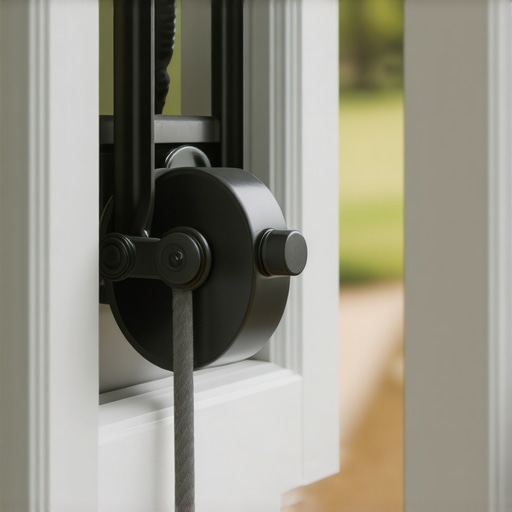
The mechanical operation of a traditional double-hung window is a masterpiece of Victorian engineering that relies on a delicate balance of gravity and friction. As a Master Glazier with over a quarter-century of experience in the field, I have seen the inner workings of thousands of weight-and-pulley systems. These systems are designed to last for centuries, yet they are frequently neglected by homeowners who assume that a sticking window is simply a sign of age. The reality is that the most common cause of mechanical failure in these windows is the seizing of the cast-iron pulley, a component that requires periodic lubrication to function correctly. When a pulley stops rotating, the sash cord is forced to slide over a stationary metal surface, creating intense heat and abrasion that inevitably leads to a snap.
The Anatomy of Failure: A Narrative Case Study
I recall a specific project where I was called to a 1910 brownstone where the homeowner was convinced they needed to replace windows throughout the entire property. They complained that the windows were impossible to open and that several cords had snapped in the last month alone. Upon inspection, I pulled a wood sash out of its rough opening and discovered that the pulleys were completely seized with a century of dust and oxidized metal. The previous installer had failed to realize that the pulley is the heart of the window movement. Because the pulley wheel would not turn, the homeowner was essentially dragging the cotton cord across a metal saw every time they tried to get some fresh air. This was not a failure of the window design but a failure of maintenance. I spent the afternoon performing a targeted window repair, cleaning the pulley housings and applying a high-grade machine oil. Within hours, the windows that had been deemed trash were gliding with the touch of a single finger. This is the difference between a caulk-and-walk technician and a true glazier who understands the physics of the assembly.
“Installation is just as critical as the window performance itself. A high-performance window installed poorly will fail.” AAMA Installation Masters Guide
The Physics of Friction and the Sash Balance
To understand why oiling is critical, we must look at the mechanics of the sash. In a traditional weighted system, the weight of the glass and the wood sash is offset by a lead or cast-iron counterweight hidden inside the wall pocket. This weight is connected to the sash via a cord or chain that runs over the pulley. The pulley is intended to provide a low-friction pivot point. When the pulley is properly lubricated, the coefficient of friction is negligible, allowing the counterweight to do its job. However, in colder northern climates, moisture often finds its way into the pulley housing through air infiltration or condensation. This moisture causes the iron pivot pin inside the pulley to rust. As the rust builds up, the wheel begins to drag. This creates a mechanical resistance that the sash cord was never designed to handle. A window cleaner might notice a squeak or a jerkiness in the movement, which is the first warning sign that the system is under duress. If ignored, the cord will fray, and the weight will eventually drop to the bottom of the pocket with a loud thud, often cracking the interior plaster or the wood casing.
Material Science: Wood, Metal, and Thermal Expansion
In regions where the temperature swings from sub-zero winters to humid summers, the wood sash and the frame are constantly in motion. Wood is a hygroscopic material, meaning it absorbs and releases moisture from the air, causing it to swell and contract. This movement affects the tolerances within the rough opening. When a sash swells in the summer, it puts additional lateral pressure on the tracks. If the pulley is also seized, the amount of force required to move the window increases exponentially. This is where many homeowners make the mistake of pulling harder on the sash, which puts several hundred pounds of instantaneous tension on a cord that might only be rated for a fraction of 그 that load. Proper maintenance includes checking the glazing bead for cracks where water might enter and ensuring that the muntin bars are not trapping moisture against the glass, as this contributes to the overall humidity within the window assembly. A well-maintained window is a system where the wood, glass, and metal work in harmony rather than in opposition.
“The interaction between mechanical hardware and the window frame must be managed to prevent premature failure of the lift mechanism.” ASTM E2112 Standard Practice
The Maintenance Protocol: Oiling for Longevity
Oiling a pulley is not as simple as spraying a lubricant in the general direction of the window. A true professional window repair involves a systematic approach. First, the sash should be lowered to expose the pulley. Using a vacuum with a brush attachment, the glazier removes the accumulated soot and debris that often clogs the housing. Once the area is clean, a few drops of a non-detergent machine oil should be applied directly to the axle of the pulley. It is vital to avoid using WD-40 or similar penetrating oils for long-term lubrication, as these products are designed to break up rust but do not provide the lasting film strength needed for heavy mechanical loads. Instead, a 3-in-1 oil or a silicone-based lubricant is preferred. After application, the sash should be moved up and down several times to distribute the oil across the bearing surface. This simple act can extend the life of the sash cords by decades and prevents the need for a costly full-frame replacement. A window cleaner who is trained to spot these issues can be a homeowner’s first line of defense against mechanical failure.
The Truth About the ROI of Window Repair
There is a common myth pushed by high-pressure salesmen that the only way to achieve energy efficiency is to replace windows with modern vinyl units. However, for those with historic wood windows, the ROI of a proper repair and weatherization often far exceeds that of a total replacement. By maintaining the pulleys, replacing the cords with high-strength bronze chain or wax-impregnated cotton, and ensuring the sill pan is correctly flashed, an old window can perform admirably for another century. When you consider the embodied energy of the old-growth wood used in historic sashes, the decision to repair rather than replace becomes even more compelling. The focus should always be on water management and mechanical integrity. A seized pulley is a symptom of neglect, but it is a symptom that is easily cured with a bit of technical knowledge and the right lubricant. Keep your pulleys moving, and your windows will continue to manage the heat, light, and air of your home as they were intended to do. Water management is a science, and mechanical maintenance is its primary partner in preserving the architectural integrity of our built environment.