Beyond the Glass: The Reality of Thermal Performance
For over two decades, I have been the guy standing on the other side of a rough opening, leveling a laser and ensuring that the envelope of a building remains uncompromised. I have seen the evolution of glazing from the drafty single-pane wood sashes of the early 20th century to the high-performance units of today. When people ask me about triple glazing, they usually start with a question about their utility bills. But after twenty-five years in the trade, I tell them that energy savings are only the beginning of the story. A window is a thermal bridge, a literal hole in your insulation. How you fill that hole determines the comfort of your living room for the next thirty years. While many push to simply replace windows with standard double-pane units, we need to talk about the physics of the center-of-glass temperature and why three layers of glass are becoming the new standard for the discerning homeowner.
A few winters ago, I received a call from a homeowner who was convinced their two-year-old double-pane windows were leaking. I walked into their house with a hygrometer and a thermal imaging camera. Outside, it was a biting ten degrees Fahrenheit. Inside, the thermostat was set to seventy. The glass surface temperature on their relatively new windows was hovering around forty-eight degrees. Because their indoor humidity was at forty-five percent, the dew point was being met right on the glass surface. The windows weren’t leaking water from the outside; they were literally pulling moisture out of the air inside. This is the condensation crisis that often forces people into a premature window repair situation. I showed them that by moving to a triple-glazed unit with a warm-edge spacer, that interior glass temperature would stay closer to sixty-two degrees, effectively eliminating the condensation and the subsequent mold growth on the glazing bead.
“Installation is just as critical as the window performance itself. A high-performance window installed poorly will fail.” – AAMA Installation Masters Guide
The Physics of the Triple-Pane Advantage
To understand why triple glazing is worth the investment, you have to look at the NFRC label and understand the U-Factor. While double-pane windows typically offer a U-Factor between 0.30 and 0.25, a high-quality triple-pane unit can drop that number to 0.15 or even lower. The U-Factor measures the rate of heat loss; the lower the number, the better the insulation. In a triple-pane setup, you aren’t just adding another sheet of glass; you are creating two separate insulating chambers. These chambers are filled with Argon gas, which is denser than air and significantly slows down the convective currents within the unit. When you combine this with Low-E coatings on Surface #2 and Surface #5, you create a thermal barrier that reflects long-wave infrared radiation back into the home during the winter while preventing the sun’s radiant heat from baking your interior in the summer.
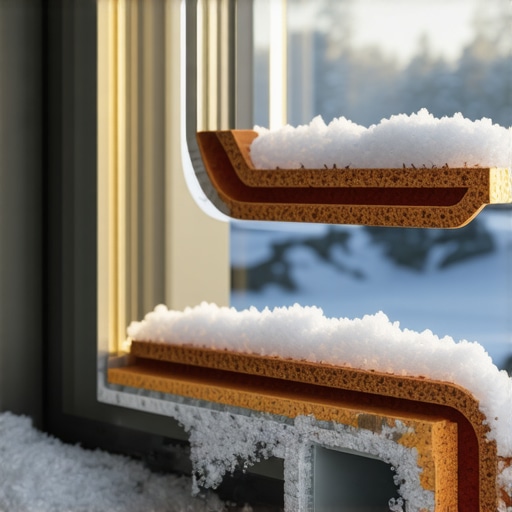
The spacer system is another critical component that most people ignore. If you use a standard aluminum spacer, you are basically putting a cold conductor between your glass layers. Modern triple-glazed units utilize structural foam or composite spacers, often called warm-edge technology. This reduces the thermal transfer at the edge of the glass, which is where most condensation starts. When we set these units into the rough opening, we ensure they are perfectly plumb and square using high-density shims. A window that is out of square by even an eighth of an inch can cause the weatherstripping to fail, rendering all that expensive glass technology useless. [IMAGE_PLACEHOLDER] It is the marriage of the glass science and the installation precision that makes the difference.
The Noise Reduction and Comfort Factor
Beyond the thermal ROI, there is the acoustic benefit. Triple glazing adds mass and varying air space thicknesses, which disrupt sound waves more effectively than double-pane glass. If you live near a busy road or under a flight path, the difference in Sound Transmission Class (STC) ratings is noticeable the moment the sash is locked into place. You no longer hear the hum of the neighbor’s lawnmower or the distant roar of traffic. It changes the atmosphere of a home from a shelter to a sanctuary. Many homeowners also find that they no longer need to hire a specialized window cleaner as often, as the higher interior glass temperature prevents the static attraction of dust that occurs on cold, damp surfaces.
“The NFRC label provides the only reliable way to compare energy performance between different window products, ensuring consumers understand what they are buying.” – NFRC Performance Standards
When I talk to clients about the cost, I am honest. Triple-pane windows are heavier, requiring more robust hardware and often a more intensive installation process. They might require a deeper frame, which can affect how they sit in your siding or brickwork. But if you are planning to stay in your home for more than ten years, the reduction in HVAC wear and tear, combined with the absolute elimination of cold spots near windows, makes the math work. You aren’t just buying glass; you are buying a managed environment. We see fewer calls for window repair on these high-end units because the thermal stress on the seals is lower when the glass temperature remains stable. Weep holes stay clearer because there is less moisture runoff, and the overall structural integrity of the fiberglass or reinforced vinyl frames used for triple glazing is superior to the cheap products found at big-box retailers.
Final Considerations for the Homeowner
If you are looking to replace windows this season, do not let a salesman rush you into a decision based on a flashy brochure. Look at the frame construction. Is it thermally broken? Look at the glazing bead—is it secure? Ask about the sill pan and the flashing tape they intend to use. A triple-pane window is a heavy, high-performance machine, and it needs a proper foundation to work. If an installer tells you they can do a whole house in a day and they don’t mention the rough opening tolerances or the shim placement, walk away. You want a glazier who understands that the window is part of the wall, and that every detail, from the muntin spacing to the quality of the argon fill, contributes to the final result. Triple glazing is the future of residential construction, and for those who value long-term comfort and durability, it is the only logical choice.