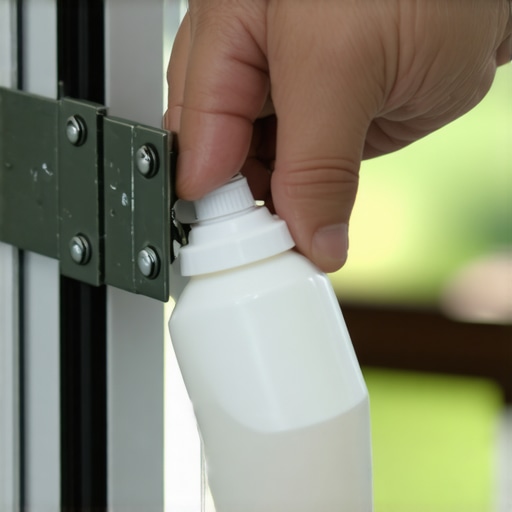
A grinding sound from a casement hinge is not just an annoyance; it is the definitive auditory signal of mechanical failure that compromises the entire thermal envelope. As a master glazier with over twenty-five years in the field, I have seen multimillion-dollar coastal estates where the windows became inoperable within three years simply because the owners ignored the friction stay and the multi-point lock. Most people think about window repair as a matter of broken glass, but the reality of replacing windows often starts with a failure of the moving parts. When a latch seizes, the operator exerts excessive force on the crank, which then strips the gears or pulls the screws out of the sash. This is a cascading failure that begins with a few milligrams of the wrong lubricant or, more commonly, no lubricant at all.
A homeowner called me in a panic because their new windows were ‘sweating’ and the latches had become nearly impossible to turn. I walked in with my hygrometer and showed them the humidity was 60 percent. It wasn’t the windows; it was their lifestyle: they had a massive aquarium and a penchant for boiling pasta without using the range hood. That high interior humidity was condensing inside the hardware tracks, causing premature oxidation on the zinc-dichromate plated steel. This condensation crisis wasn’t a manufacturing defect; it was a maintenance reality. I had to explain that while the glass was performing perfectly, the hardware was drowning in moisture that accelerated friction and wear. This experience highlights why understanding the environment of your rough opening is critical for any window maintenance routine.
The Metallurgy and Physics of Operable Hardware
Window hinges, particularly those in high-performance casement or awning units, are usually constructed from 300-series stainless steel. However, even stainless steel has a friction coefficient that increases when particulates like drywall dust, pollen, or salt spray accumulate in the pivot points. When you operate a window, the friction stay must slide smoothly across the track. If there is resistance, the leverage applied by the handle puts a lateral load on the rough opening shims. If the installer did not use a proper sill pan or failed to secure the window with high-quality fasteners, that lateral pressure can actually bow the frame over time, leading to air infiltration and water intrusion.
“Installation is just as critical as the window performance itself. A high-performance window installed poorly will fail.” – AAMA Installation Masters Guide
In coastal environments, the enemy is salt-induced corrosion and positive wind pressure. The salt air acts as a constant abrasive. When the salt crystals settle into the glazing bead or the sash track, they attract moisture through hygroscopy, holding it against the metal. This leads to pitting and the eventual failure of the operable parts. To prevent this, the lubricant must not only reduce friction but also provide a sacrificial barrier against the elements. If you are in a high-salt environment like Florida or the Carolinas, your hardware should be missile-level D impact rated, often featuring stainless steel or anodized finishes that require specific care.
The Technical Protocol for Cleaning and Lubrication
The first step in proper maintenance is not lubrication, but cleaning. You must use a professional-grade window cleaner to remove all grit from the hardware housing. I often see homeowners spraying grease over dirt, which creates a grinding paste that destroys the sash and the muntins. Use a soft brush to clear the weep hole to ensure that any water that enters the track can exit properly. If the weep hole is blocked, water sits in the track and corrodes the hinges from the bottom up. Once the hardware is clean, you must choose the correct chemical agent. Banned for our purposes are petroleum-based products like WD-40, which are actually solvents that can degrade EPDM gaskets and rubber seals.
The science of lubrication requires a dry-film PTFE (Polytetrafluoroethylene) spray or a high-grade silicone. These substances bond to the metal surface at a molecular level, creating a low-friction zone that does not attract dust or sand. Apply the lubricant to the pivot points of the hinge, the sliding track of the operator, and the internal mechanisms of the multi-point latches. After application, cycle the window several times to ensure even distribution. This is particularly important for the latching points where the sash meets the frame. If the latch is sticky, it prevents the window from creating a tight seal against the weatherstripping, which is how you end up with a drafty room in the middle of a storm.
“Field testing has shown that the air infiltration rate of a window can increase by 200 percent if the locking hardware is not fully engaged or is misaligned.” – ASTM E2112 Standard Practice
The Installation Autopsy: Why Hardware Fails
When I perform an installation autopsy on a window that leaks, I frequently find that the issue is not the flashing tape or the drip cap, but the hardware itself. If the sash is not properly balanced on its hinges, it sits heavy on the sill. This puts immense pressure on the weatherstripping, crushing it and allowing air to bypass the thermal break. In some cases, the window was never properly shimmed during the initial install, meaning the rough opening is putting pressure on the frame, warping the track. No amount of lubricant can fix a window that is physically distorted, but regular maintenance can help identify these issues before they lead to a full replacement windows project.
For those in cold climates, the physics of the U-Factor and heat loss are paramount, but in the south, we focus on the Solar Heat Gain Coefficient (SHGC). However, regardless of the climate, an operable window must stay operable to maintain its NFRC ratings. A window that does not close fully because of a seized hinge is a window that is failing its energy efficiency targets. This is why the glazier bead and the sash alignment must be checked annually. If you notice the window is harder to lock, it is likely that the sash has sagged or the hardware is bone dry. Maintaining these parts is the only way to preserve the ROI of your investment.