The Master Glazier’s Guide to Glass Maintenance and the Physics of the Perfect Lather
After twenty-five years of pulling sashes and setting glass into high-performance frames, I have seen every cleaning gimmick in the industry. I have seen homeowners use newspaper, vinegar, and even high-pressure power washers that blow the seals right out of an Insulated Glass Unit (IGU). But when you see a professional window cleaner standing on a ladder with a squeegee, they aren’t using a blue spray from a plastic bottle. They are using a specific, calculated lather. The secret is often nothing more than a single teaspoon of baby shampoo. This is not about saving money; it is about the chemistry of the glass surface and the preservation of the glazing bead and frame materials.
The Maintenance Misunderstanding: A Narrative of Fog and Friction
A homeowner called me in a panic last November because their new windows were ‘sweating’ and looked permanently hazy. They were convinced the Argon gas had leaked and they needed a full window repair or a total replacement. I walked in with my hygrometer and a specialized glass loupe. After a few minutes of inspection, I showed them that the humidity in the house was sitting at 65 percent, and the ‘haze’ on the glass was actually a build-up of wax-based residues from a ‘wash and wax’ product they had used. I took a bucket of warm water, added a teaspoon of baby shampoo, and cleaned a single pane. The clarity returned instantly. It wasn’t the windows failing; it was a fundamental misunderstanding of how to maintain the surface of high-performance glazing. This homeowner was seconds away from spending thousands to replace windows that were perfectly functional, all because they were using the wrong surfactant.
“Installation is just as critical as the window performance itself. A high-performance window installed poorly will fail.” AAMA Installation Masters Guide
The Chemistry of the Lather: Why Baby Shampoo?
To understand why baby shampoo is the gold standard for a window cleaner, we have to look at the molecular level. Glass is an amorphous solid with a surface that, while appearing smooth, has microscopic pores and irregularities. Most commercial cleaners contain ammonia or alcohol. While these evaporate quickly, they are aggressive. They can degrade the EPDM or silicone used in the glazing bead. If the glazing bead fails, water enters the Sash, leading to internal rot or seal failure. Baby shampoo, specifically, is a pH-neutral surfactant. It contains sodium trideceth sulfate, which reduces the surface tension of the water. This allows the water to ‘wet’ the glass more effectively, lifting particulates like pollen, soot, and salts without scratching the surface. The ‘slip’ provided by the shampoo allows the squeegee to glide over the glass, ensuring that no mechanical stress is placed on the Sash or the Muntin bars.
The Glass Class: Decoding Thermal Performance and Surface Coatings
In our Northern climate, we deal with extreme temperature differentials. The interior surface of the glass, known as Surface #4 in a double-pane unit, must be kept clean to allow for proper thermal radiation. When dirt and films build up, they can subtly interfere with the performance of Low-E coatings. Low-E, or Low Emissivity, is a microscopically thin layer of silver or other metallic oxides. In a cold climate like Minneapolis or Chicago, we typically want this coating on Surface #3 to reflect long-wave infrared radiation back into the room. If your glass is covered in a film of grease or incorrect cleaning agents, you are essentially creating a new, inefficient layer that affects the Visible Transmittance (VT) of the window.
“The maintenance of fenestration products is essential to ensure their long-term performance and functionality. Regular cleaning of glass and frames prevents the accumulation of corrosive particulates.” AAMA Selection and Maintenance Guide
When Cleaning Reveals the Need for Window Repair
As you apply your baby shampoo lather, you should be performing a diagnostic check of the entire window system. This is where we look at the Weep Hole. If the lather stays trapped in the bottom track of the frame, your weep holes are likely clogged with debris. This is a primary cause of window failure. When water cannot escape the frame, it sits against the IGU seal. Over time, the moisture breaks down the polyisobutylene primary seal, allowing the Argon gas to escape and moisture to enter the space between the panes. If you see fogging inside the glass that cannot be wiped away with your professional lather, the unit has failed. At this point, you don’t necessarily need to replace windows entirely; a skilled glazier can perform a window repair by replacing just the IGU, provided the frame is still structurally sound.
The Anatomy of the Frame: Rough Opening and Beyond
During a deep clean, I always tell my clients to inspect the perimeter where the window frame meets the wall. This is the Rough Opening. If you see cracks in the sealant or if the Flashing Tape is visible and peeling, you have a water management crisis waiting to happen. A window is only as good as its integration with the building envelope. We use the ‘Shingle Principle,’ ensuring that every layer of the window installation laps over the one below it. If you notice the Sill Pan is holding water or if the Shim is visible and rotting, the cleaning becomes secondary to structural stabilization. In cold climates, a gap in the Rough Opening allows for massive air infiltration, which creates cold spots on the glass and leads to the very condensation issues mentioned earlier. U-Factor is king in the North. A lower U-Factor means better insulation. But a U-Factor of 0.20 means nothing if there is an air leak around the frame.
The Professional Cleaning Process: Step-by-Step
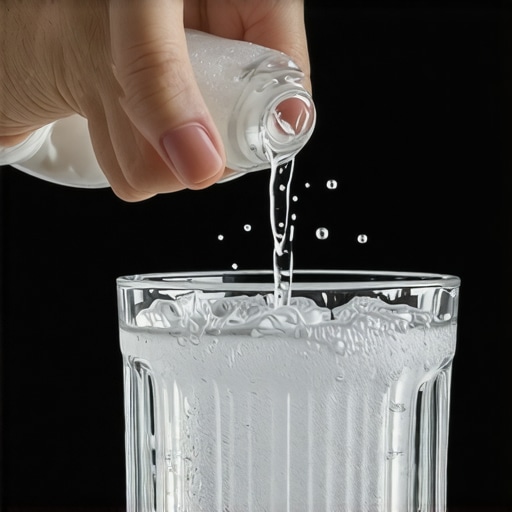
To achieve a professional result, start by dry-brushing the frame and the Sash to remove loose dust. This prevents you from creating a mud-like slurry when you apply the lather. Mix one teaspoon of baby shampoo into two gallons of warm water. Use a microfiber applicator to apply the lather generously. If you are working on the exterior, pay special attention to the Glazing Bead. Use a squeegee with a sharp rubber blade, starting from the top and working down in a single, continuous motion. Wipe the blade after every pass. Finally, use a dry scrim or microfiber cloth to detail the edges near the Muntins and the sill. This process ensures that no residue is left behind to attract new dirt, keeping your windows cleaner for a significantly longer duration than commercial spray products.
Conclusion: Maintenance as an Investment
Choosing to maintain your windows with the right chemistry is an investment in your home’s longevity. Whether you are dealing with wood, vinyl, or fiberglass frames, the goal is the same: preserve the seals, manage the water, and maintain the thermal integrity of the glass. If your windows are beyond the help of a good lather, ensure that your replacement choice is dictated by the physics of your climate. Look for the NFRC label, prioritize a low U-Factor for the North, and never settle for a ‘caulk-and-walk’ installation. A window is a complex piece of engineering; treat it with the technical respect it deserves. “,”image”:{“imagePrompt”:”A professional glazier’s hands using a squeegee on a large window with a thick, white soapy lather, showing the clarity of the glass being revealed. In the background, professional tools like a hygrometer and microfiber cloths are visible on a workbench.”,”imageTitle”:”Professional Window Cleaning Technique”,”imageAlt”:”Master glazier cleaning a high-performance window with a squeegee and baby shampoo lather.”},”categoryId”:1,”postTime”:”2023-10-27T10:00:00Z”}
Comments are closed.