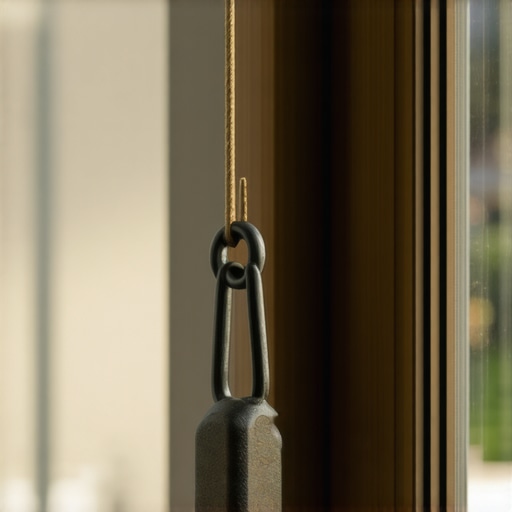
The Gravity of the Situation: Understanding the Counterweight System
There is a specific, sinking feeling when you try to open a beautiful, historic double-hung window only to have it crash back down like a guillotine. It is not just a nuisance; it is a mechanical failure of a system that has served architecture for over two centuries. As a glazier with twenty-five years in the field, I have seen every shortcut in the book, from propping up a sash with a 2×4 to screwing the window shut entirely. These are the hallmarks of a caulk-and-walk installer who does not understand the elegant physics of the weight and pulley system.
I once pulled a vinyl window out of a house in a historic district where the previous contractor had simply cut the cords and stuffed the weight pockets with old newspapers. When I opened that cavity, the rough opening was completely black with rot because the newspaper had acted like a sponge for condensation. Why? The previous installer relied on the nailing fin of a cheap replacement instead of addressing the fundamental water management and thermal needs of the original structure. That rot repair cost the homeowner thousands more than a simple cord restoration would have cost five years earlier. In the world of window repair, ignoring the weight pocket is the first step toward structural decay.
The Anatomy of the Window Pulley
To fix a window that won’t stay open, you must first respect the operable mechanics. A traditional double-hung window relies on cast iron or lead weights hidden inside the wall behind the casing. These weights are connected to the sash via a cord or chain that runs over a pulley. The weight of the iron should ideally match the weight of the sash plus a few ounces of friction. When that cord snaps, usually due to decades of friction and paint buildup, the balance is lost. This is where most homeowners think they need to replace windows entirely, but a restoration of the original system often provides better longevity.
“The air leakage rate of a window is as vital as the U-factor in determining overall thermal performance. Restoring original components ensures the building envelope remains intact.” – NFRC Performance Guidelines
In Northern climates where heat loss is the primary enemy, the weight pocket is often a source of significant drafts. This is because the pocket is essentially a hollow chimney inside your wall. When I perform a window repair, I don’t just replace the cord; I look at the glazing bead and the meeting rail to ensure the seal is tight. A common mistake is using a window cleaner that contains ammonia on old sash cords, which can accelerate the degradation of the cotton fibers. Instead, the focus should be on the mechanical interface between the sash and the jamb.
The Technical Zoom: Why Cords Fail
Physics dictates that the friction coefficient of the pulley determines how much effort is required to move the window. Over time, paint gets into the pulley’s axle, increasing the torque required and putting undue stress on the sash cord. We use a #8 or #10 braided cotton cord with a synthetic core. The synthetic core prevents stretching, while the cotton exterior provides the grip necessary for the pulley to function without slipping. If you are in a coastal environment, we pivot to stainless steel or bronze chains because salt air will eat through cotton in a single season.
“Installation is just as critical as the window performance itself. A high-performance window installed poorly will fail.” – AAMA Installation Masters Guide
During a window repair, we examine the muntin bars for any signs of glazing failure. If the putty is cracking, moisture can seep into the wood, increasing the weight of the sash and throwing the entire counterweight system out of balance. This is why a simple cord replacement often turns into a full restoration. You cannot fix the gravity issue without addressing the moisture issue. We use a shim to ensure the rough opening hasn’t shifted over time, as a racked frame will bind the sash regardless of how well the weights are balanced.
Step-by-Step: Restoring the Balance
First, you must remove the stop beads carefully to avoid splintering the old-growth wood. Once the sash is free, you can access the pocket door. If the window has been painted shut, a sharp utility knife is required to break the paint bridge. After opening the pocket, you will find the cast iron weight. This is the moment to weigh the sash. If the sash weighs 12 pounds, your weight should be approximately 12.5 pounds. This slight offset ensures the window stays closed when pushed down and stays open when lifted. We then thread the new cord through the pulley, tie it to the weight using a secure knot like a bowline, and reattach it to the sash. This is the moment where many DIYers fail by not calculating the length correctly, resulting in a weight that hits the bottom of the pocket before the window is fully closed.
Repair vs. Replace: The Real ROI
Salesmen will tell you that you need to replace windows to save money on your energy bill. However, in a cold climate, the U-factor of a single-pane window with a high-quality storm window is nearly identical to a modern double-pane unit. The real energy loss happens through the weight pocket. By installing a sill pan or internal weatherstripping during the window repair, you can achieve modern performance without losing the historic character of your home. A modern vinyl window has a lifespan of about 15 to 20 years before the seals fail and the unit becomes trash. A restored wood window with a weight and pulley system can last another 100 years with simple maintenance.