Beyond the Surface: Why Adhesive Residue is a Window Health Warning
In twenty-five years of handling high-performance glazing, I have seen every manner of homeowner shortcut. Most of them, like using a razor blade on a tempered glass pane, make my blood boil. But sometimes, the simplest solutions are the most scientifically sound. When we talk about the vegetable oil trick for removing sticky tape from glass, we are not just talking about a cleaning hack; we are talking about maintaining the integrity of a complex thermal barrier. Sticky residue from tape or labels is more than an eyesore. In high-heat environments like Phoenix or Miami, those residues undergo a process called cross-linking when exposed to intense ultraviolet radiation. The sun essentially bakes the adhesive into the glass, creating a bond that can eventually cause localized thermal stress. If you are struggling with tape residue, you are likely dealing with a window that has been subjected to significant Solar Heat Gain (SHGC).
“Installation is just as critical as the window performance itself. A high-performance window installed poorly will fail.” – AAMA Installation Masters Guide
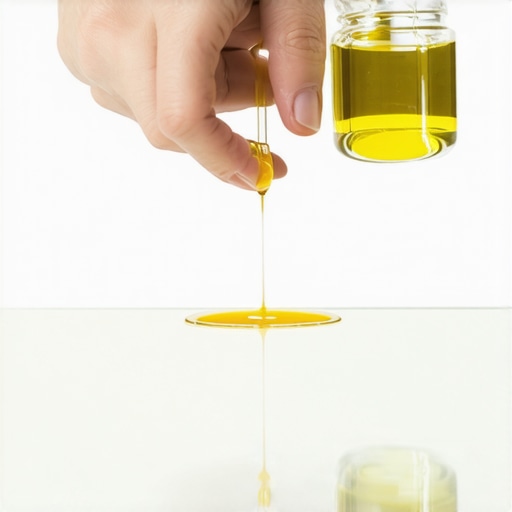
A homeowner called me in a panic because their new windows were ‘sweating.’ I walked in with my hygrometer and showed them the humidity was 60 percent. It was not the windows; it was their lifestyle. But while I was there, I noticed they were using a metal scraper to remove a seasonal decoration from the glass. I stopped them immediately. You never take steel to a modern sash. Modern glass often features delicate Low-E coatings, and even if the coating is on surface number two (inside the insulated glass unit), the physical profile of the glass can be compromised by micro-scratches. This is where the vegetable oil trick comes in. Vegetable oil is a non-polar solvent. Most adhesives used in tapes are also non-polar. According to the principle of ‘like dissolves like,’ the oil molecules penetrate the adhesive matrix, breaking the intermolecular forces without the need for abrasive force. You apply the oil, let it sit for ten minutes to allow the fatty acids to work into the bond, and then wipe it away with a soft cloth. This preserves the glazing bead and ensures you do not inadvertently damage the weatherstripping with harsh chemical solvents like acetone or paint thinner.
The Science of Solar Heat Gain in Hot Climates
In the south, the enemy is not the cold; it is the sun’s radiant energy. When you are looking at window repair or considering the need to replace windows, you must understand the Solar Heat Gain Coefficient. The SHGC represents the fraction of incident solar radiation that actually enters a building. In a hot climate, we want this number as low as possible. When I specify a window for a client in a high-sun region, I am looking for a Low-E coating on surface number two. For those who do not speak glazier, an insulated glass unit has four surfaces. Surface number one is the exterior. Surface number two is the inside of the outer pane. Surface number three is the outside of the inner pane. And surface number four is the interior. By placing the coating on surface number two, we reflect the solar infrared energy before it can even cross the air gap. This keeps the heat outside where it belongs. Using a window cleaner that is too acidic or too alkaline can sometimes seep into the edges of the glass and attack the silver-based layers of that coating if the seal is compromised. That is why gentle methods like the oil trick are preferred by specialists who understand the chemistry of the window.
The Structural Anatomy of a Window Failure
If you find that cleaning your windows does not stop the drafts or the rising energy bills, you are likely looking at a structural failure. Every window is part of a larger system. When we perform a full window repair, we are looking at the rough opening. Is the window square, level, and plumb? If the installer did not use the correct shim placement, the weight of the sash can cause the frame to bow over time. This bowing creates gaps in the weatherstripping, rendering the most expensive triple-pane glass useless. I often see ‘caulk-and-walk’ jobs where the installer relied on a bead of silicone rather than a proper sill pan and flashing tape. Water management is a science. A window is essentially a controlled leak. We use weep holes in the frame to allow moisture to escape, but if those holes are clogged by debris or improper cleaning, the water backs up and rots the subfloor. This is why a professional window cleaner will always check the weep holes as part of their routine. If the water cannot get out, it will find its way into your wall cavity.
“The Solar Heat Gain Coefficient (SHGC) measures how well a product blocks heat caused by sunlight. A lower SHGC means less solar heat is transmitted.” – NFRC Fact Sheet
When to Stop Repairing and Start Replacing
How do you know when it is time to replace windows instead of just calling for a window repair? Look at the muntin bars and the spacer. If you see fogging between the panes, the desiccant in the spacer is saturated and the seal has failed. At that point, the argon gas has leaked out and been replaced by moist air. The thermal performance of that window has plummeted. In hot climates, this leads to a massive increase in radiant heat transfer. We talk about ‘Glazing Zooming’ here: we are not just looking at a piece of glass; we are looking at a multi-layered thermal shield. If the shield is breached, the vegetable oil trick might make it look better, but it will not save your HVAC system from working overtime. When choosing a replacement, do not be swayed by high-pressure sales tactics. You need a window with a thermally broken aluminum frame or a high-quality fiberglass frame that will not expand and contract at different rates than the glass. This stability is what maintains the seal for thirty years instead of five. Remember, the installer matters more than the sticker on the glass. Ensure they are using ASTM E2112 standards for the installation. Any glazier who tells you that flashing tape is optional should be kicked off the job site immediately. Your home is a system, and the windows are the most vulnerable part of that system. Treat them with technical respect, and they will protect you from the elements for a lifetime.