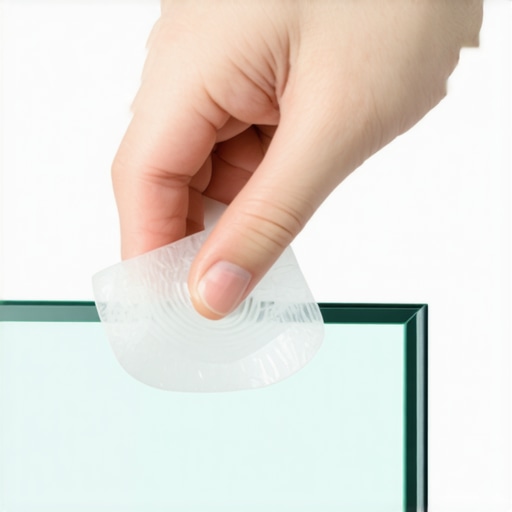
The Frustration of the Sticky Surface
You have just invested thousands in new fenestration. The sash is perfectly balanced, the rough opening was flashed with surgical precision, and the U-factor is low enough to make a passive house architect weep with joy. Then you see it: a piece of blue painter tape residue or a stubborn manufacturer label baked onto the glass by the afternoon sun. Most homeowners reach for the first abrasive thing they find. As a master glazier with twenty-five years in the dirt, I am here to tell you that a five-second mistake with a razor blade can negate the optical clarity of a three-thousand-dollar window unit. Cleaning glass is not just about aesthetics; it is about maintaining the integrity of the glazing bead and the specialized coatings that manage your home’s thermal envelope.
A homeowner called me in a panic because their new windows were ‘sweating.’ I walked in with my hygrometer and showed them the humidity was 60 percent. It was not the windows; it was their lifestyle, boiling water for pasta and running a humidifier in a sealed room. While I was there, I noticed they were trying to scrub a piece of duct tape residue off a Surface #2 Low-E coating using a green scouring pad. I had to stop them before they permanently etched the glass. That interaction is why I am writing this. People do not realize that glass is a porous material on a microscopic level. When an adhesive bond sits in the sun, the polymer chains in the glue begin to cross-link with the silica structure of the glass. Removing it requires a combination of chemical solvency and mechanical precision, not brute force.
Understanding the Surface Physics
Before we touch a solvent, we have to talk about what we are cleaning. Modern glass is rarely just silica and soda ash. We are dealing with tempered surfaces, heat-strengthened lites, and sophisticated metallic oxide coatings. If you are in a northern climate like Minneapolis or Chicago, your windows are likely designed to maximize heat retention. The U-factor, which measures the rate of non-solar heat loss, is your primary concern. In these cold zones, we often see Low-E coatings on Surface #3 to reflect long-wave infrared radiation back into the room. If you use the wrong chemical to remove tape, you risk stripping or clouding that coating, effectively turning your high-tech insulator into an expensive piece of clear dirt.
“Installation is just as critical as the window performance itself. A high-performance window installed poorly will fail.” – AAMA Installation Masters Guide
The same logic applies to maintenance. A window cleaner who does not understand the difference between the ‘tin side’ and the ‘air side’ of a piece of float glass can cause ‘tin etch’ or permanent hazing. When glass is manufactured, it floats on a bed of molten tin. This leaves microscopic traces of tin on one side. If that side is facing the interior and you apply an acidic cleaner to remove tape, you can trigger a chemical reaction that ruins the clarity forever. This is why a professional window repair specialist always tests a small area first. We are looking for how the surface reacts to the solvent before we commit to the whole lite.
The Master Glazier’s Method for Residue Removal
The trick to getting sticky tape residue off glass instantly is not a secret ‘miracle’ product; it is the application of the ‘Shingle Principle’ to cleaning. You work from the top down and use the least aggressive method first. Start with a concentrated, professional-grade window cleaner that is pH-neutral. If that does not break the bond, move to a citrus-based solvent. These are excellent because they penetrate the adhesive matrix without the rapid evaporation rate of isopropyl alcohol. For the truly stubborn stuff, like construction-grade masking tape that has been through a freeze-thaw cycle, you need a heavy-duty solvent like mineral spirits or acetone. However, you must be extremely careful. These chemicals can melt the glazing bead or degrade the EPDM gaskets that hold the glass in the sash.
If you must use a mechanical tool, throw away that rusty utility blade you found in the garage. A glazier uses a fresh, stainless steel 4-inch scraper. Why stainless? Because carbon steel blades can have microscopic burrs that act like a diamond-tipped stylus, scratching the glass as you slide. You must keep the glass lubricated with a soapy solution. Never, under any circumstances, scrape glass dry. Hold the blade at a 45-degree angle and move in one direction. Do not ‘scrub’ back and forth. If a piece of grit gets caught under the blade and you pull it back, you have just created a ‘wavy’ scratch that can lead to a stress crack when the sun hits the window and the glass expands.
Thermal Stress and the Danger of Temperature Extremes
In cold climates, you have to be mindful of thermal shock. If it is 10 degrees Fahrenheit outside and you apply a heat gun to a piece of glass to soften tape residue, you are asking for a disaster. The temperature differential between the heated spot and the cold edges near the shims will create massive internal tension. I have seen double-pane units implode because someone tried to ‘warm up’ the glass to remove a sticker. If the glass reaches its breaking point, you are no longer looking for a window cleaner; you are looking to replace windows entirely.
This brings us to the internal components of the IGU (Insulated Glass Unit). Most high-performance windows are filled with Argon or Krypton gas between the panes to reduce convective heat transfer. The spacer, usually a warm-edge foam or a thermally broken stainless steel strip, keeps the panes apart. If you use aggressive chemicals to clean residue near the edges of the glass, those chemicals can seep past the primary seal (usually polyisobutylene) and attack the secondary seal (silicone or polysulfide). Once that seal is breached, the gas escapes, moisture enters, and you get that characteristic ‘fogging’ between the panes. At that point, the window repair is impossible; the unit is toast.
The Real Cost of Window Maintenance
Many homeowners are sold on the ‘maintenance-free’ promise of vinyl windows. While it is true you do not have to paint them like old wood sashes, the glass itself requires a high level of technical care. When people ask if they should replace windows or simply repair them, I tell them to look at the numbers. The National Fenestration Rating Council (NFRC) labels provide a roadmap for your home’s efficiency. If your current windows have failed seals or scratched glass that interferes with the Visible Transmittance (VT), your ROI for a full replacement becomes much more attractive. However, if the frames are sound and the glass is just dirty, following a professional cleaning protocol can extend the life of your units by decades.
“The performance of a window is a combination of the glazing, the frame, and the air leakage rate through the operable parts.” – NFRC Performance Standards
We often talk about the Solar Heat Gain Coefficient (SHGC). In the south, you want this number low to block the sun’s heat. In the north, a higher SHGC can actually provide ‘free’ heating in the winter. If you cover your glass with tape, stickers, or even the residue left behind, you are effectively changing the SHGC of that specific spot. On a large scale, this leads to uneven heating of the glass surface. Glass expands as it gets hot. If one part is shaded by residue and the rest is clear, the unequal expansion can lead to a ‘thermal stress fracture.’ It looks like a wandering crack that starts from the edge of the frame. It is one of the most common reasons for premature window failure, and it is entirely preventable.
A Final Word on Professionalism
Do not be a ‘caulk-and-walk’ DIYer. If you find tape residue, treat it with the same respect you would a structural repair. Ensure the weep holes in your frames are clear so that any water used during cleaning can drain out properly. Check your flashing tape to make sure it is not peeling away at the corners. And if you are ever in doubt about a chemical or a tool, call a professional. A master glazier sees the window as a complex system of water management and thermal control. Treating the glass like a simple piece of transparent plastic is the fastest way to turn your home’s most important feature into its biggest liability. Clean with precision, understand the physics of your climate, and your windows will reward you with clarity and comfort for a lifetime.