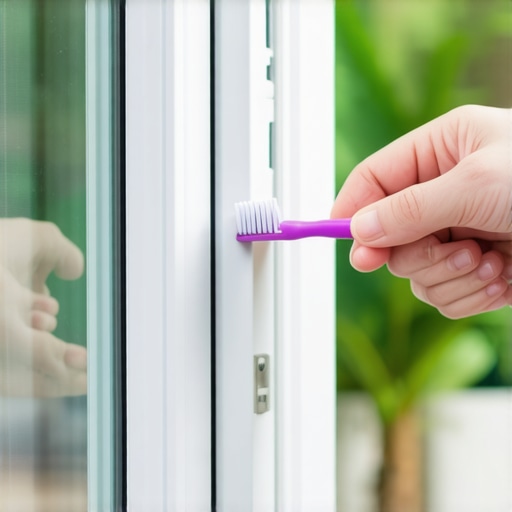
The Condensation Crisis and the Mechanical Toll
A homeowner called me in a panic last February because their new windows were ‘sweating’ so profusely that water was pooling on the sill. I walked in with my hygrometer and showed them the interior humidity was north of 60 percent. It wasn’t a manufacturing defect in the glass; it was their lifestyle choices in a sealed building envelope. However, the real damage wasn’t just the foggy view. That constant moisture had migrated into the hardware tracks, mixing with household dust to create a gritty paste that was grinding down the stainless steel friction stays. This is where the average window cleaner fails and where the master glazier steps in. Most people look at a window and see a piece of glass. I see a complex mechanical system where the operable sash must move within a rough opening with surgical precision. When those hinges get gunked up, the torque required to close the window increases, eventually pulling the screws right out of the frame. This leads to a situation where you do not just need a window cleaner; you need a full-scale window repair or a total replace windows project that could have been avoided with a simple five-cent tool.
The Physics of the Friction Stay and the Toothbrush Trick
To understand why the toothbrush trick is the gold standard for scrubbing hinges, you have to understand the tight tolerances of modern fenestration. A window hinge, or friction stay, operates on a sliding track. There is roughly a two-millimeter gap between the sliding shoe and the track wall. Standard rags or bulky brushes cannot penetrate this void. When particulate matter, such as pollen, soot, or construction debris, settles into this track, it acts as an abrasive. Every time you open that sash, you are essentially sanding down the metal. This is why a soft-bristled toothbrush is mandatory. The bristles are designed to reach into the crevices of the glazing bead and the hinge pivot points without displacing the factory-applied lubricant. I tell my clients that if they can hear a ‘crunch’ when they turn the crank, they are already losing the battle against mechanical fatigue.
“Installation is just as critical as the window performance itself. A high-performance window installed poorly will fail.” – AAMA Installation Masters Guide
This quote applies to maintenance as well. You can buy the most expensive triple-pane unit on the market, but if you let the hinges seize, the seal will eventually fail due to the sash being pulled out of alignment.
The Anatomy of a Failed Seal: Blueprint B
When I perform an installation autopsy on a window that has developed a permanent draft, I usually start at the sill. I often find that the weep holes are clogged with the same debris found in the hinges. In northern climates like Chicago or Minneapolis, where the U-Factor is the most critical metric, a window must maintain a perfect airtight seal to prevent heat loss. If the hinges are dirty, the sash does not seat firmly against the weatherstripping. This creates a microscopic gap. Because of the pressure differential between the warm interior and the freezing exterior, air is sucked through that gap. As that warm, moist air hits the cold exterior of the frame, it reaches its dew point and turns into liquid water. This water then sits in the sill pan. If the flashing tape was not applied with the ‘shingle principle’ in mind, that water will eventually find its way into the house framing, causing the black rot I have seen in countless replace windows jobs. This is not just about aesthetics; it is about protecting the structural integrity of your home through meticulous window repair and cleaning habits.
Climate Context: Managing Heat and Moisture
In cold climates, we prioritize the U-Factor, which measures the rate of non-solar heat loss. We want Low-E coatings on Surface #3 to reflect heat back into the room. But this thermal efficiency creates a very cold exterior pane. If your hinges are so dirty that they prevent the window from locking fully, you are bypasssing all that expensive engineering. I have seen homeowners spend thousands to replace windows only to have them perform like single-pane units because they never cleaned the tracks.
“Standard Practice for Installation of Exterior Windows, Doors and Skylights requires that the fenestration system be maintained to preserve its performance ratings.” – ASTM E2112
Using a toothbrush to clear out the hinge cavity ensures that the locking cams can pull the sash tight against the frame bulbs. This creates the compression seal necessary to achieve the NFRC-rated air infiltration numbers you paid for.
The Professional Method for Hinge Restoration
To properly execute the toothbrush trick, you must first open the sash to its maximum operable extent. Use a vacuum with a crevice tool to remove the large chunks of debris. Next, dip the toothbrush in a mild window cleaner solution—avoid harsh solvents that can degrade the vinyl or the shim materials behind the frame. Scrub the pivot points and the sliding track vigorously. You will notice the grey sludge coming out; that is a mix of aluminum oxide and dust. Once clean, wipe it dry and apply a dry-film silicone lubricant. Unlike oil-based lubricants, dry silicone will not attract more dust. This simple act of window repair prevents the sash from sagging, which is the primary cause of glass breakage in older wood windows where the muntin bars no longer provide structural support. By maintaining these mechanical components, you extend the life of your investment and ensure that the radiant heat stays exactly where it belongs: inside your home.