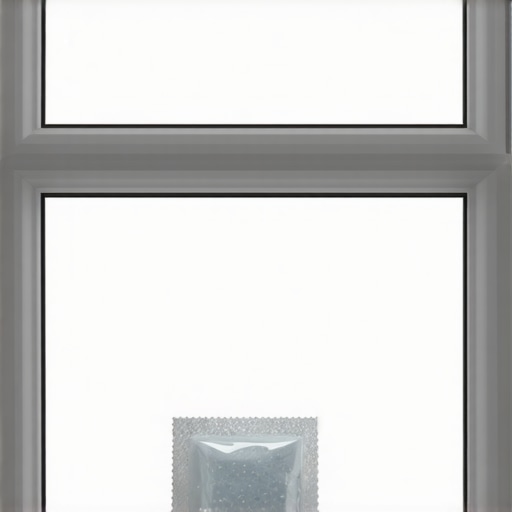
The Myth of the Quick Fix for Fogged Windows
A homeowner called me in a panic because their new windows were sweating. I walked in with my hygrometer and showed them the humidity was 60 percent. It was not the windows; it was their lifestyle choices combined with a failing moisture management system. When you see fog between your panes, you are looking at a fundamental breach in the hermetic seal of your Insulated Glass Unit or IGU. The internet often suggests the silica gel packet trick as a miraculous way to avoid a professional window repair or the need to replace windows entirely. As a master glazier with over 25 years in the field, I have seen these band-aid solutions fail time and again because they ignore the underlying physics of thermal expansion and vapor pressure.
“Installation is just as critical as the window performance itself. A high-performance window installed poorly will fail.” AAMA Installation Masters Guide
Understanding the IGU and Desiccant Saturation
To understand why a silica gel packet is only a temporary distraction, you must understand the anatomy of a modern Sash. An IGU consists of two or more lites of glass separated by a spacer bar. Inside that spacer bar is a desiccant, usually a molecular sieve or silica gel, designed to adsorb the tiny amounts of moisture that were trapped during the manufacturing process. When the perimeter seal fails due to solar pumping, the desiccant becomes saturated. Solar pumping occurs when the sun heats the air between the panes, causing it to expand and exert pressure on the seals. At night, the unit cools and contracts, drawing in fresh, moisture-laden air through microscopic cracks in the polyisobutylene primary seal.
The Silica Gel Trick Explained
The trick involves drilling a small hole into the Glazing Bead or the frame to insert silica gel packets near the glass. The logic is that the gel will adsorb the internal fog. While silica gel is technically a desiccant, it has a finite capacity. Once it reaches its adsorption limit, the fog returns. Furthermore, drilling into the unit or the frame can compromise the structural integrity of the Rough Opening and allow water to bypass the Sill Pan, leading to hidden rot. If you are in a cold climate like Chicago or Minneapolis, this moisture will freeze, expand, and shatter the glass from the inside out. In these northern regions, the U-Factor is king. A fogged window means your argon gas fill has escaped, and your R-value has plummeted to that of a single pane of glass.
The Anatomy of Proper Window Repair
True window repair for a fogged unit requires replacing the IGU itself. You cannot simply use a window cleaner to wipe away internal condensation. I have watched installers try to caulk over Weep Holes thinking they were stopping leaks, only to trap water inside the Rough Opening and rot out the Shim blocks. A proper repair involves removing the Glazing Bead, extracting the failed glass unit, and ensuring the Flashing Tape around the perimeter is still intact. If the frame is wood and has begun to soften, you are no longer looking at a simple glass swap; you are in the territory where you must replace windows to maintain the building envelope.
“The primary seal is the first line of defense against moisture vapor transmission into the cavity of the insulating glass unit.” ASTM E2112 Standard Practice
Climate Logic and Thermal Performance
In northern climates, we want the Low-E coating on surface number three to reflect heat back into the room. When fog occurs, it indicates that the thermal barrier is broken. The condensation you see is the physical manifestation of the dew point being reached on the interior surface of the cold outer pane. Adding a silica packet does nothing to improve the U-Factor or the thermal performance of the unit. It merely masks the symptom of a dying window. If your windows are Operable, the constant movement further stresses these failing seals. You might find that a high-quality window cleaner can help with exterior grime, but internal fog is a chemical and mechanical failure that requires a professional glazier.
The Risk of the DIY Approach
I have seen homeowners try to save money by following online tutorials for the silica gel trick, only to find that they have voided their manufacturer warranty. Most modern windows come with a 10 to 20 year warranty on seal failure. The moment you drill a hole to insert a desiccant, that warranty is gone. Instead of a cheap fix, you end up with an expensive replacement. When we talk about the ROI of windows, we are talking about decades of performance, not a six-month reprieve provided by a packet of gel found in a shoebox. Real moisture management involves Sill Pans and proper Muntin alignment to ensure the weight of the glass is distributed correctly across the frame.
Final Verdict on Foggy Glass
Do not be fooled by quick fixes. If your windows are fogging, check your interior humidity levels first. If the fog is truly between the panes, the seal has failed. Call a professional to assess if a sash replacement is possible or if a full-frame replacement is necessary. Protecting your home from water and heat loss is a science, not a hobby. Use the right tools, understand the Rough Opening tolerances, and never ignore the Weep Hole drainage system. Your home is only as dry as your windows are sealed. “