The Auditory Nightmare of the Patio Portal
That piercing, high-pitched wail that echoes through your home every time you step out onto the deck is more than just a nuisance. To a master glazier, that screech is the sound of mechanical components grinding themselves into oblivion. It is the friction of neglected maintenance meeting the reality of structural physics. When a sliding glass door ceases to glide and starts to scream, it is signaling a failure in the relationship between the operable sash and the track system. Most homeowners reach for a can of whatever lubricant is under the sink, but as a professional with over two decades in the field, I can tell you that the wrong fix is often worse than the problem itself. We are dealing with a heavy Insulated Glass Unit (IGU) that can weigh upwards of 150 pounds, resting on two small tandem rollers. When those rollers fail or the track becomes a bed of abrasive debris, the screech is your final warning before the system seizes entirely.
The Case of the Gritty Track: A Glazier’s Diagnostic
I recall a call from a homeowner who was convinced they needed to replace windows and doors throughout their entire coastal residence. They told me the ‘screeching demon’ in their living room was proof of a structural collapse. I walked into the house with my hygrometer and a simple inspection light. After checking the humidity levels to ensure we weren’t dealing with massive frame expansion, I knelt down to examine the track. I found that the previous window cleaner had used a petroleum-based solvent that had turned the local sand into a thick, abrasive grinding paste. It was not a mechanical failure of the door itself; it was a failure of maintenance logic. The owner was ready to spend ten thousand dollars on a new unit, when the solution was a precision cleaning and a specific adjustment of the roller height within the rough opening. This is why I tell people that understanding the anatomy of your glazing is the only way to avoid the ‘tin man’ sales pitch. Many installers will tell you to gut the whole frame when a simple part replacement would suffice.
“Installation is just as critical as the window performance itself. A high-performance window installed poorly will fail.” – AAMA Installation Masters Guide
The Metallurgy of the Track: Aluminum vs Stainless Steel
To solve the screech, we must understand the surface interaction. Most residential sliding doors use an extruded aluminum track. Aluminum is lightweight and cost-effective, but it is also relatively soft. Over time, the stainless steel wheels of the roller assembly can wear a groove into the aluminum track, especially if the door is not perfectly level within its rough opening. Once that groove forms, the door no longer glides; it ‘chatters.’ If you live in a coastal area, the enemy is even more insidious. Salt air causes oxidation on the track, creating a microscopic sandpaper effect. This is why I always recommend thermally broken aluminum frames for South-facing exposures or coastal zones, but only if they are paired with a stainless steel track cover. A stainless steel cap provides a much harder surface for the rollers to traverse, drastically reducing the harmonic resonance that causes that ear-splitting screech. When we talk about a window repair, we aren’t just looking at the glass; we are looking at the interface of metal on metal.
The Physics of the Roller Assembly
Underneath that heavy door sash are the unsung heroes of the glazing world: the tandem rollers. These are typically steel or nylon wheels housed in a metal casing. The screeching usually happens when the internal ball bearings of these rollers become packed with dust, pet hair, and dried-up factory grease. When the bearing stops spinning, the wheel drags across the track instead of rolling. This flat-spots the wheel, and the screech becomes a rhythmic thumping. In my experience, if you hear a consistent metallic grind, the glazing bead is likely intact but the rollers have reached their end-of-life cycle. Replacing these is a technical task that requires removing the entire operable panel. You have to be careful; if you don’t support the header, the weight of the wall can compress the frame, making it impossible to get the door back in without damaging the flashing tape or the sill pan.
Climate Logic: Managing Heat and Friction
The climate in which your home sits dictates how you should treat a screeching door. In a South-facing environment, like Texas or Florida, Solar Heat Gain Coefficient (SHGC) is king. The heat from the sun can cause the vinyl or aluminum frames to expand significantly during the day. If the door was installed with tight tolerances in the rough opening without proper shimming, that expansion can cause the top of the sash to rub against the head jamb, creating a different kind of screech. In these environments, we want Low-E coatings on Surface #2 to reflect that radiant heat back outside, keeping the frame temperature stable. Conversely, in the North, heat loss is the enemy. A door that doesn’t slide smoothly often doesn’t seal properly, leading to drafts that destroy your U-Factor ratings. Warm-edge spacers in the glass unit help keep the edges of the glass warmer, but if the door is screeching because it is out of alignment, those thermal benefits are negated by the air leaping through the gaps in the weatherstripping.
“The integrity of the building envelope depends on the proper integration of the window or door with the surrounding wall system.” – ASTM E2112 Standard Practice
The Myth of the Quick-Fix Lubricant
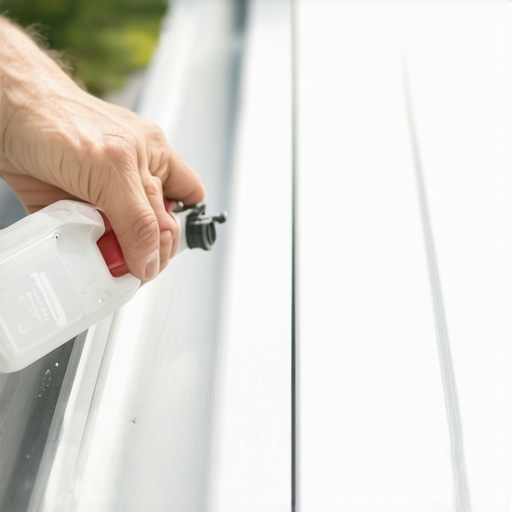
The biggest mistake I see is the use of heavy oils or WD-40 on a sliding door track. These products are magnets for dirt. Within weeks, the oil will trap every piece of lint and grit that passes by, creating a sludge that will eventually destroy the rollers. If you want to silence the screech, you must first use a dedicated window cleaner or a vacuum to remove all debris from the weep holes and the track. Once the track is surgically clean, the only lubricant you should ever use is a dry silicone spray. This provides the necessary slip without the sticky residue. If the noise persists after cleaning, it is time to look at the ‘shim’ logic. Over time, houses settle, and if the sill has bowed upward, the rollers will be under immense pressure in the center of the track. Adjusting the mounting screws on the bottom of the sash can sometimes lift the door just enough to clear the obstruction and kill the noise.
When to Replace vs When to Repair
There comes a point where no amount of silicone or cleaning will save the unit. If the screeching is accompanied by a foggy look between the panes of glass, your seal has failed. This is often caused by the constant vibration of a rough-running door, which eventually stresses the glazing bead and the primary seal of the IGU. If you are at the point where you need to replace windows and doors, look for a ‘Full-Frame’ replacement rather than a ‘Pocket’ or ‘Insert’ replacement. A full-frame replacement allows the installer to verify the integrity of the sill pan and the flashing tape, ensuring that water management is handled according to the shingle principle. In my 25 years, I’ve seen too many ‘caulk-and-walk’ jobs where a new door was slapped into a rotting rough opening. The door might be silent for a year, but the rot will eventually cause the frame to shift, and the screeching—or worse, the leaking—will return. Water management is a science, and a silent door is a sign of a healthy building envelope.
The Glazier’s Final Word on Maintenance
Maintenance isn’t just about aesthetics; it is about protecting your investment. A sliding glass door is an operable machine. Every six months, you should be checking the weep holes for clogs and the track for debris. If you catch the grit early, you prevent the friction that leads to the screech. Remember, a window that is difficult to move is a window that is failing to perform its primary duty: managing the hole in your wall. Don’t wait until the screech becomes a grind. Keep it clean, keep it dry, and always respect the physics of the glass.{“@context”:”https://schema.org”,”@type”:”HowTo”,”name”:”How to Silence a Screeching Sliding Glass Door”,”step”:[{“@type”:”HowToStep”,”text”:”Vacuum the entire length of the track to remove large debris and grit.”},{“@type”:”HowToStep”,”text”:”Clean the track with a non-abrasive window cleaner and a microfiber cloth until no residue remains.”},{“@type”:”HowToStep”,”text”:”Inspect the weep holes for blockages and clear them with a small wire if necessary.”},{“@type”:”HowToStep”,”text”:”Apply a thin layer of dry silicone spray to the track surfaces.”},{“@type”:”HowToStep”,”text”:”Adjust the roller height screws at the base of the door sash to ensure even weight distribution.”}]}<"