The Science of Glass Etching and Why Your Windows Look Cloudy
As a master glazier with over 25 years in the field, I have seen every possible failure of the building envelope, but few things frustrate a homeowner more than a permanent haze on their glass. You try to scrub it off, you buy the blue spray from the grocery store, and nothing happens. That is because what you are looking at isn’t dirt. It is a chemical bond. Hard water stains are primarily composed of calcium and magnesium carbonates. When water from a sprinkler or heavy condensation evaporates, it leaves these minerals behind. Over time, the sun bakes these minerals into the silica structure of the glass, a process known as etching. If you do not address this, you are not just looking at a cleaning chore; you are looking at a window repair situation where the glass surface becomes physically pitted.
The Condensation Crisis: A Narrative of Moisture Management
I recall a specific case where a homeowner called me in a panic because their new windows were ‘sweating’ and developing thick white crusts along the bottom rail. I walked in with my hygrometer and showed them the humidity was 60 percent. It was not a manufacturing defect; it was their lifestyle and a lack of proper air exchange. They were boiling water for pasta and running showers without ventilation, and that moisture was hitting the cold glass, condensing, and leaching minerals from the dust on the surface. This ‘sweating’ is a symptom of a larger thermal performance issue. Before you think about how to replace windows, you must understand the dew point within your own home. If the glass temperature falls below the dew point of the interior air, you get liquid water. Liquid water leads to mineral deposits, and eventually, it leads to the degradation of the glazing bead and the window frame itself.
“Installation is just as critical as the window performance itself. A high-performance window installed poorly will fail.” – AAMA Installation Masters Guide
The Kitchen Staple Solution: Why Acidity Wins
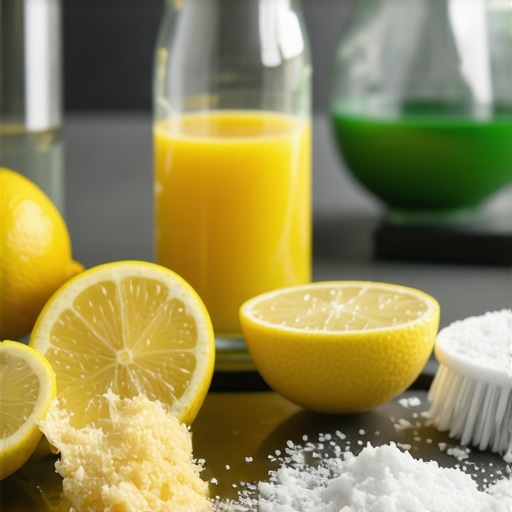
You do not need toxic chemicals to handle 90 percent of mineral deposits. The secret lies in pH balance. Because calcium and magnesium are alkaline, you need a mild acid to break the ionic bond. Plain white vinegar, which contains acetic acid, is your best tool as a window cleaner. For heavy buildup, I recommend a 50/50 mix of distilled water and vinegar. Why distilled? Because tap water often contains the very minerals you are trying to remove. If the staining is particularly stubborn, lemon juice provides citric acid which acts as a natural chelating agent. Apply the solution, let it dwell for three minutes to break down the crust, and use a microfiber cloth. Never use steel wool or a razor blade unless you are trained; one wrong move and you will create a permanent scratch in the soft Low-E coating if you are working on the interior surface or the glass itself.
The Anatomy of a Window Leak: Why Stains Matter
Sometimes, what looks like a hard water stain is actually a sign of a failing flashing system. In my decades of inspections, I often see water on the sill that homeowners assume is a simple spill. However, when we perform an autopsy of the installation, we find that the sill pan was never installed or the weep holes are clogged with debris. If water cannot exit the frame through the engineered drainage paths, it sits against the glass and the spacer bar. This constant moisture exposure leads to seal failure in double-pane units. Once the desiccant inside the spacer is saturated, you get ‘fogging’ between the panes. At that point, no amount of vinegar will help; you are looking at a full sash replacement or a complete unit swap. Using a proper sill pan and ensuring the rough opening is flashed according to ASTM E2112 is the only way to prevent this long-term moisture damage.
“The NFRC provides energy performance ratings in several areas: U-factor, Solar Heat Gain Coefficient (SHGC), Visible Transmittance (VT), and Air Leakage.” – NFRC Homeowner Guide
Thermal Logic: The Role of the U-Factor in Prevention
In colder climates, the enemy is heat loss. When your U-factor is too high, the interior pane of glass stays cold. This cold surface is a magnet for condensation. This is why we push for triple-pane units with argon or krypton gas fills and warm-edge spacers. These spacers, made of structural foam or thermally broken metal, reduce the transfer of cold from the exterior to the interior pane. By keeping the glass temperature higher, you prevent the liquid water from forming in the first place, thus eliminating the source of hard water stains. When you choose to replace windows, do not just look at the price. Look at the U-factor. A lower U-factor means a warmer interior glass surface and a significantly lower risk of moisture-related glass etching.
The Installer Over the Brand
I have seen the most expensive fiberglass windows fail within two years because the installer relied on ‘caulk-and-walk’ tactics instead of proper mechanical flashing. They skip the shim process, leading to a bowed frame that prevents the sash from sealing against the weatherstripping. This air leakage introduces more moisture and more staining. When you are vetting a pro for window repair or replacement, ask them about their window-to-wall interface strategy. If they do not mention flashing tape, backer rods, or the shingle principle, keep looking. A master glazier knows that we are not just installing a piece of glass; we are managing the transition between a controlled indoor environment and an unpredictable outdoor climate. Clarity is the goal, but structural integrity is the requirement.