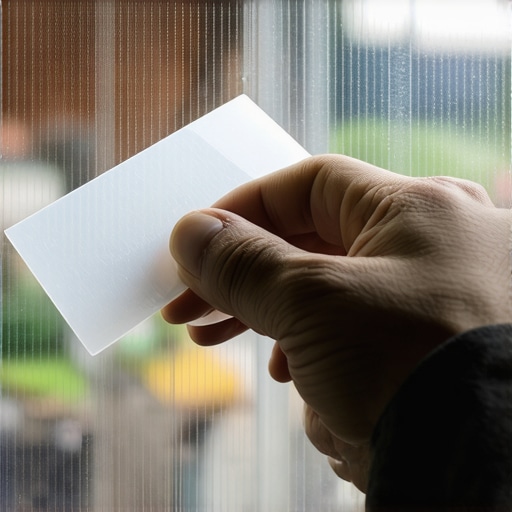
The Safest Way to Scrape Sticky Tape Off a Window Pane: A Master Glazier’s Guide to Glass Integrity
After twenty-five years in the glazing industry, I have seen more glass ruined by a five-cent razor blade than by stray baseballs. To the uninitiated, a window is a simple transparent barrier. To a professional glazier, it is a sophisticated thermal envelope component involving complex surface tensions, metallurgical coatings, and structural integrity. When you are looking at the safest way to scrape sticky tape off a window pane, you are not just cleaning; you are performing a delicate maintenance operation on a high-performance material. A single lapse in technique can turn a minor window cleaner task into an expensive window repair or a full-scale project to replace windows.
The Narrative: The Residue Disaster
I recall a specific call in the dead of a Chicago winter. A homeowner had recently moved into a custom-built home featuring high-end, argon-filled units with a Soft-Coat Low-E finish. They had taped seasonal decorations directly to the interior glass surface. When January hit, the temperature at the center of the glass was significantly different from the edges due to the thermal break in the frame. The homeowner panicked because the windows appeared to be ‘sweating’ around the tape. In reality, the adhesive had created a localized thermal bridge. Instead of calling a professional, they took a stiff metal putty knife to the residue. By the time I arrived, they hadn’t just removed the tape; they had gouged the Low-E coating on Surface #4, effectively destroying the unit’s thermal performance. I had to explain that their $1,200 sash was now a glorified piece of scrap glass because they didn’t understand the physics of the sash and the coatings applied to it.
“Installation and maintenance are just as critical as the window performance itself. A high-performance window treated poorly or installed incorrectly will fail to meet its engineered lifespan.” – AAMA Installation Masters Guide
The Science of Glass and Adhesives
To understand the safest way to scrape sticky tape off a window pane, we must first look at the glazing bead and the glass surface. Modern residential windows are typically annealed or tempered glass. Annealed glass is common in standard rough opening configurations, while tempered glass is found in doors or windows close to the floor. The adhesive on most tapes is a polymer-based substance that undergoes ‘wetting,’ where it flows into the microscopic pits of the glass surface. Over time, UV radiation from the sun causes a cross-linking of the polymer chains, making the adhesive brittle and bonded at a molecular level to the silica.
Why Climate Matters: The North/Cold Context
In colder climates, the glass temperature can drop below the dew point, leading to condensation. If you attempt to scrape glass that is below 50 degrees Fahrenheit, the glass is more susceptible to thermal shock. The friction of a dry blade creates localized heat. This microscopic heat spike, contrasted with the freezing ambient temperature of the glass, can lead to a stress crack. Furthermore, the U-Factor of your window dictates how the heat moves through the pane. A high U-factor means the glass stays colder, making adhesives more stubborn. Before any window cleaner touches the glass, the surface temperature must be stabilized.
The Master Glazier’s Toolkit
Do not reach for a kitchen knife or a plastic scraper. You need professional-grade tools to ensure you don’t end up needing a window repair specialist. [image-placeholder] You will need a new, stainless steel 6-inch scraper blade, a specialized glass lubricant (not just water), and a microfiber cloth. The reason we use stainless steel rather than carbon steel is simple: carbon steel blades can have microscopic burrs that act like a diamond-tipped scribe, etching the glass permanently.
The Importance of Lubrication
Never, under any circumstances, scrape a dry window. Dry scraping is the fastest way to induce ‘scratched glass syndrome.’ When you scrape dry, the debris—microscopic dust, silica particles, and the adhesive itself—gets trapped between the blade and the glass. Without a lubricant to suspend these particles, they are dragged across the surface, creating fine scratches that are invisible until the sun hits them at a specific angle. A professional window cleaner uses a solution of deionized water and a specialized surfactant to lower the surface tension, allowing the blade to glide on a microscopic film of liquid.
The Step-by-Step Execution
1. Inspection: Check the glazing bead and the sash. Is the glass held in by wood, vinyl, or aluminum? Ensure the weep holes are clear so any excess lubricant can drain. Identify if the glass has an interior coating. If it’s an I89 or similar Surface #4 Low-E coating, you cannot use a metal blade. 2. Lubrication: Saturate the tape residue. Let it dwell for at least three minutes. This allows the surfactant to penetrate the adhesive bond. 3. The 15-Degree Rule: Hold the scraper at a 15-degree angle. This is the sweet spot where the blade can get under the adhesive without digging into the glass. 4. The Forward Stroke: Only scrape in a forward motion. Never pull the blade backward across the glass. Pulling backward can trap debris under the edge, leading to scratches. 5. The Final Polish: Once the bulk of the adhesive is gone, use a citrus-based solvent for any remaining tack, followed by a final clean with a microfiber cloth. This ensures the window cleaner has left no residue that could attract more dirt.
“Standard practice for the maintenance of exterior windows requires that no abrasive materials or sharp instruments that could damage the surface coatings be used without proper lubrication and technique.” – ASTM E2112 Standard
When Scratches Mean Replacement
If you find that your attempt at cleaning has left deep grooves, you are looking at more than just a cosmetic issue. In a double-pane IGU (Insulated Glass Unit), a deep scratch can create a stress riser. As the house settles or as wind loads apply pressure to the rough opening, that scratch can expand into a full-blown crack. This compromises the seal, allows the argon gas to escape, and leads to permanent fogging between the panes. At this point, you cannot simply perform a window repair; you must replace windows or at least the individual glass unit within the sash.
Conclusion: Respect the Fenestration
A window is an engineered piece of technology designed to manage the Solar Heat Gain Coefficient and provide a barrier against the elements. Treating it with the respect it deserves—using the right tools, the right angles, and the right lubricants—will save you thousands in window repair costs. Don’t be the homeowner who turns a piece of tape into a construction project. Follow the master glazier’s protocol: lubricate, angle, and push. Anything less is just a gamble with your home’s envelope.