In twenty-five years of handling fenestration systems, I have seen homeowners attempt to clean their glass with everything from steel wool to industrial degreasers. Most of these amateur attempts end in a call to a professional for an expensive window repair or a full IGU replacement. When you are dealing with the chemical bond of tree resin, particularly from coniferous species like white pine or blue spruce, you are not just fighting dirt. You are fighting a polymerized organic compound that has baked under the sun’s ultraviolet radiation. The solution is not force; it is chemistry. Specifically, the use of isopropyl alcohol (rubbing alcohol) is the industry secret for breaking the molecular bond of sap without compromising the structural integrity of the glass or the perimeter seals.
The Science of Resin and Glass Adhesion
To understand why rubbing alcohol works, we have to look at the glass at a microscopic level. While float glass appears perfectly smooth, it possesses a microscopic texture where resin can anchor itself. Tree sap is composed of terpenes and resin acids. When these are exposed to the atmosphere, the volatile components evaporate, leaving behind a hard, crystalline solid. If you live in a northern climate like Chicago or Minneapolis, the cycle of intense summer heat followed by cooling nights causes this resin to undergo a process of thermal expansion and contraction, effectively ‘keying’ it into the glass surface. A standard window cleaner, which is mostly water and ammonia, lacks the solvent power to dissolve these non-polar compounds. Isopropyl alcohol, however, acts as a solvent that breaks down the resin’s matrix, allowing it to be wiped away without the need for mechanical scraping that could damage the glass fines.
“Installation is just as critical as the window performance itself. A high-performance window installed poorly will fail.” AAMA Installation Masters Guide
A homeowner called me in a panic last autumn because their new triple-pane windows were ‘sweating’ and showed permanent streaks they couldn’t remove. I arrived with my hygrometer and found the interior humidity was nearly 60 percent, but the exterior issue was more interesting. They had a row of Norway Maples dripping sap onto the glass. They had tried to scrape it off with a putty knife, which is a cardinal sin in the glazing world. I showed them how the humidity was a lifestyle issue, but the glass ‘stains’ were simply mismanaged maintenance. If you use a metal blade on modern glass, you risk leaving ‘metal rub’ or scratching the microscopic surface, especially if the window has a hard-coat Low-E coating on Surface #1.
The Rubbing Alcohol Protocol for Glaziers
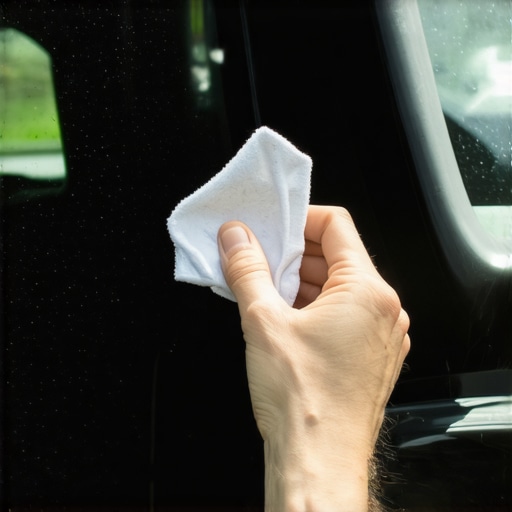
When I approach a window repair involving heavy sap, I follow a strict protocol. First, I identify the type of glass. Is it annealed, tempered, or laminated? Next, I check for the presence of exterior coatings. You must never use harsh solvents on specialized self-cleaning glass or certain reflective coatings without consulting the manufacturer’s technical data sheet. For standard clear or Low-E glass where the coating is on Surface #2 or #3 (inside the sealed unit), isopropyl alcohol is safe. You apply a 70 percent or 91 percent concentration to a clean microfiber cloth. Do not pour it directly onto the glass, as you do not want the solvent to dwell on the glazing bead or the primary seal of the IGU (Insulated Glass Unit). The goal is to soften the sap. Once the alcohol saturates the resin, it loses its adhesion. You then gently wipe it away. This prevents the need for a full frame tear-out or a costly decision to replace windows prematurely due to aesthetic degradation.
Thermal Dynamics and Northern Climate Performance
In northern regions, windows are the most vulnerable part of the thermal envelope. We focus heavily on the U-Factor, which measures the rate of heat loss. A high-performance window in a cold climate typically features a triple-pane configuration with Argon or Krypton gas fills and a warm-edge spacer. The placement of the Low-E coating is critical here. Usually, we want the coating on Surface #3 to reflect long-wave infrared radiation back into the room. If your glass is covered in sap, it can actually affect the Solar Heat Gain Coefficient (SHGC) by absorbing more radiant heat than intended, which can stress the glass and lead to a thermal break. Maintaining a clean exterior surface is not just about the view; it is about ensuring the physics of the glass works as the NFRC intended. When the glass is obscured, it can create hot spots on the pane that lead to uneven expansion between the center-of-glass and the edge-of-glass, potentially compromising the sash or the frame’s structural stability.
“Thermal performance of a fenestration system is dependent on both the glass and the frame materials working in unison to resist heat transfer.” NFRC Performance Standards
When Cleaning Isn’t Enough: Repair vs. Replace
There comes a point where no amount of rubbing alcohol or window cleaner can save the unit. As a master glazier, I look for signs of ‘blown’ seals. If you see fogging or calcium deposits inside the panes, the desiccant in the spacer bar is saturated. The sap on the outside is the least of your problems. At this stage, you must decide between a window repair (replacing just the glass unit) or a full replacement. If your frames are vinyl and have started to warp or ‘smile’ at the sill, or if the rough opening shows signs of water infiltration due to a failed sill pan, it is time to replace windows entirely. A new installation using proper flashing tape and a drip cap will provide a much better ROI than constantly patching a failing system. We look for a tight fit in the rough opening, ensuring that the shim placement allows for proper expansion and contraction without bowing the jambs. This ensures the operable parts of the sash move freely and the weatherstripping maintains a secondary seal against air infiltration.
Technical Maintenance for Longevity
Beyond the glass, the entire fenestration system requires an annual audit. I tell my clients to check the weep holes in the bottom of the frame. If these are clogged with debris or tree sap, water will back up into the track and eventually rot the subfloor. A master installer knows that water management is the primary job of a window. We use a ‘shingle principle’ for all flashing, ensuring that every layer laps over the one below it. If you are cleaning your glass with rubbing alcohol and notice that the glazing bead is cracked or the caulking at the brickmould is peeling, address those issues immediately. Window maintenance is a holistic practice. By using the right chemistry for cleaning and respecting the mechanical requirements of the frame, you extend the life of your investment and maintain the thermal efficiency of your home. Do not let a bit of sticky sap lead to a catastrophic failure of your home’s envelope. Use the right tools, understand the physics of your climate, and never trust a ‘caulk-and-walk’ installer who tells you maintenance doesn’t matter. Proper care ensures that your U-Factor remains low and your comfort remains high throughout the winter months.
{“@context”:”https://schema.org”,”@type”:”HowTo”,”name”:”How to Remove Tree Sap from Windows Safely”,”step”:[{“@type”:”HowToStep”,”text”:”Identify if the glass has exterior coatings. Avoid solvents on self-cleaning glass.”},{“@type”:”HowToStep”,”text”:”Apply 70% isopropyl alcohol to a microfiber cloth.”},{“@type”:”HowToStep”,”text”:”Gently press the cloth against the sap for 30 seconds to dissolve the resin bond.”},{“@type”:”HowToStep”,”text”:”Wipe the dissolved sap away in a single direction.”},{“@type”:”HowToStep”,”text”:”Clean the glass with standard window cleaner to remove any remaining alcohol residue.”}]}