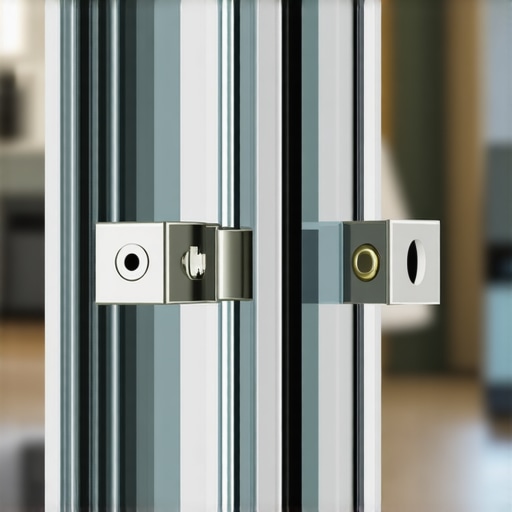
Understanding the Tactile Failure of Patio Door Hardware
When you reach for the handle of your sliding glass door and find that the locking mechanism feels soft, elastic, or spongy, you are not just experiencing a minor mechanical nuisance. You are feeling the physical manifestation of a system in distress. As a master glazier with over two decades in the field, I have seen thousands of homeowners mistake this sensation for a simple broken spring. In reality, a spongy lock is usually the final warning sign of a structural or alignment failure within the rough opening. If the hook of the mortise lock does not meet the strike plate with surgical precision, the internal components are forced to bend and flex under pressure rather than clicking into a secure state. This lack of a positive engagement is what creates that mushy feedback in the lever.
The Narrative Matrix: A Case of Misdiagnosed Deflection
A homeowner in a high-wind coastal region called me in a panic because their new sliding doors were sweating and the locks felt like they were made of rubber. I walked in with my hygrometer and a digital level. I showed them that the interior humidity was hovering at 65 percent while the exterior temperature had plummeted. It was not a hardware failure; it was a physics problem. The extreme temperature differential between the interior glazing bead and the exterior frame was causing the vinyl to contract at a different rate than the glass. This thermal movement had pulled the sash out of square by just three millimeters. That tiny distance was enough to prevent the lock from seating properly. It was not the windows that were failing; it was the climate control of the house failing to manage the dew point. This highlights why a professional window repair specialist looks at the whole building envelope, not just the latch.
“Installation is just as critical as the window performance itself. A high-performance window installed poorly will fail.” – AAMA Installation Masters Guide
The Physics of Thermal Expansion and Structural Sag
In colder climates, the U-Factor of your door determines how much heat you lose, but the physical stability of the frame material determines if your lock works in January. Vinyl frames are affordable and offer great thermal breaks, but they have a high coefficient of expansion. An eight-foot patio door can expand or contract significantly across a forty-degree temperature swing. If the installer did not leave enough tolerance in the rough opening or failed to use the correct shim placement, the frame becomes bowed. This bowing moves the strike plate away from the lock hook. When you try to force it, you are actually bending the internal actuator rod, which creates that spongy feel. We often see this when people try to replace windows without considering the structural header. If the header above the door sags even a fraction of an inch, it puts vertical pressure on the door frame, compressing the track and forcing the rollers to drag. A dragging door is never a square door, and a door that is not square will never lock with a crisp click.
The Role of the Sill Pan and Water Management
Water is the silent enemy of mechanical hardware. Every sliding door system relies on a series of weep holes to drain water out of the track. If these are clogged with debris or if a poor window cleaner has pushed wax into the drainage channels, water backs up into the sill. This moisture eventually reaches the lower roller assemblies. Most modern rollers use steel ball bearings. Once those bearings corrode, the door sits lower in the frame. This vertical drop means the lock hook is now hitting the top of the strike plate hole rather than entering it. You feel resistance, you push harder, and the metal components flex. This is why proper window repair often starts with cleaning the tracks and ensuring the sill pan is level and draining. According to industry standards, moisture must be diverted away from the structural framing to prevent rot that can loosen the strike plate screws.
“The water-resistive barrier must be integrated with the window or door in a manner that ensures a continuous drainage plane.” – ASTM E2112 Standard Practice
Decoding the NFRC Labels and Performance Grades
When you decide it is time to replace windows or doors because the old ones are failing mechanically, you must look at more than just aesthetics. For homeowners in the North, the U-Factor is your primary metric, as you want to reflect long-wave infrared radiation back into the room. A lower U-Factor means better insulation. However, for the mechanical longevity of the door, you must also look at the Air Infiltration rating. A door with a high air leakage rate will allow moisture to penetrate the lock cavity, leading to the exact sponginess we are discussing. Look for a warm-edge spacer between the panes of glass. This prevents the edges of the glass from getting too cold, which reduces the condensation that drips into the locking mechanism. If you live in a region with high humidity, choose a Low-E coating on Surface 3 to keep the heat inside and the glass surface temperatures stable.
The Glazier’s Fix: Beyond the Screwdriver
If your lock feels spongy, do not just spray it with lubricant. First, clean the tracks thoroughly using a professional-grade window cleaner that does not leave a sticky residue. Check your rollers. Most sliding doors have an adjustment screw on the bottom corners. Turning these will raise or lower the sash. If you raise the sash and the lock suddenly feels crisp and solid, you have found your culprit: the door had settled. However, if you find that the screws for the strike plate are spinning freely, the wood behind the frame may be soft. This indicates a failure of the flashing tape or the drip cap, allowing water to bypass the frame. In such cases, a simple repair is a bandage on a gunshot wound. You may need a full-frame replacement to restore the structural integrity of the opening. Remember, the lock is the messenger: it is telling you that the geometry of the opening has been compromised. Treat the cause, not just the symptom, to ensure your home remains secure and energy efficient.
{“@context”:”https://schema.org”,”@type”:”HowTo”,”name”:”How to Diagnose a Spongy Sliding Door Lock”,”step”:[{“@type”:”HowToStep”,”text”:”Clean the lower tracks and weep holes to ensure no debris is obstructing the door movement.”},{“@type”:”HowToStep”,”text”:”Check the vertical alignment of the sash against the side jamb using a level.”},{“@type”:”HowToStep”,”text”:”Adjust the roller height screws at the base of the door to re-center the lock hook with the strike plate.”},{“@type”:”HowToStep”,”text”:”Inspect the strike plate for tightness; if screws are loose, check for underlying wood rot.”}]}