The Anatomy of Desiccation in Historic Sashes
I pulled a vinyl window out of a house in a historic district and the header was completely black with rot. Why? The previous installer relied on the nailing fin instead of proper flashing tape, ignoring the way water migrates behind the exterior trim. When wood is neglected, it doesn’t just look bad; it loses its structural integrity. As a master glazier with a quarter-century in the field, I have seen too many homeowners convinced by a high-pressure window cleaner or a door-to-door salesman that their original vertical-grain fir or ponderosa pine sashes are beyond saving. Most of the time, those sashes are just starving for the oils they lost decades ago. When wood fibers dry out, they become brittle, losing their ability to hold a glazing bead or resist the inevitable expansion and contraction of the seasons. This isn’t just about aesthetics; it is about the physics of the building envelope.
“Installation is just as critical as the window performance itself. A high-performance window installed poorly will fail.” AAMA Installation Masters Guide
Why Wood Sashes Fail: The Molecular Level
To understand why you should repair windows instead of rushing to replace windows, you must understand what happens inside the sash. Wood is a complex cellular structure composed of cellulose, hemicellulose, and lignin. In its natural state, these cells are saturated with resins and oils. Over fifty or a hundred years, solar radiation (specifically ultraviolet rays) breaks down the lignin, and the natural oils evaporate. This process is known as desiccation. Once the wood reaches a certain level of dryness, it becomes hydrophilic, meaning it will aggressively suck up any moisture it touches. This leads to the classic cycle of swelling, sticking, and eventually, fungal decay or rot. If the rough opening is not properly managed, this moisture has nowhere to go, leading to the catastrophic failures I see in my autopsy of failed installations.
The Linseed Oil Protocol: Polymerization and Protection
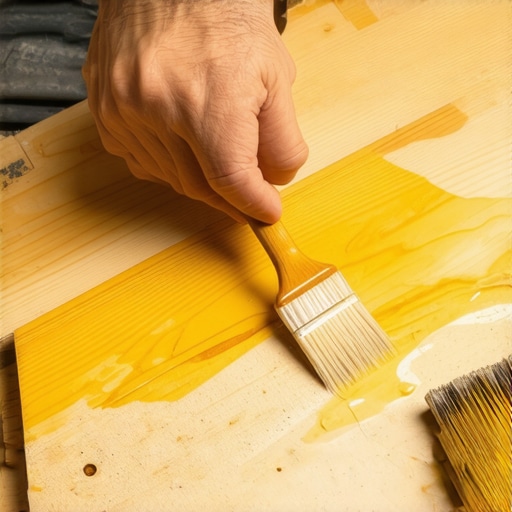
The secret to reviving this dead wood lies in the chemical process of polymerization. Boiled linseed oil is not just a lubricant; it is a film-forming oil. When applied to thirsty wood, it penetrates deep into the cellular structure and then reacts with oxygen to harden into a solid, flexible resin. This fills the microscopic voids left by decades of neglect. To do this right, you cannot just slap a coat of oil on top of old paint. You must strip the sash down to the bare wood, often requiring a heat gun or infrared stripper to remove the layers of lead-based paint and ancient glazing putty. Once the wood is bare, I apply a 50/50 mixture of boiled linseed oil and pure gum turpentine. The turpentine acts as a carrier, pulling the oil deeper into the grain than it could go on its own. This is the only way to stabilize the wood before reapplying the glazing bead.
Thermal Performance and the U-Factor Myth
Many homeowners are told that they must replace windows to achieve energy efficiency. This is a half-truth. In northern climates, the primary enemy is heat loss. While it is true that a single-pane wood window has a higher U-factor (meaning it allows more heat to pass through) than a modern triple-pane unit, the difference is often negated by the air infiltration around the frame. If we restore the sash, add high-quality weatherstripping, and ensure the shim placement in the rough opening is precise, we can significantly reduce the air leakage that accounts for the majority of the heating bill. You don’t always need a lower U-factor; you need a tighter seal. A well-restored wood window with a high-quality storm window can often match the thermal performance of a mid-grade replacement unit without the high cost and environmental waste of a total tear-out.
“Thermal performance ratings like the U-factor must be considered in the context of the entire building envelope, not just the glazing unit in isolation.” NFRC Performance Standards
Managing the Rough Opening and Water Migration
When you perform a window repair, you must look at the sill pan and the weep hole. If the original installers didn’t provide a path for water to exit the wall, no amount of linseed oil will save the wood. I always inspect the muntins for signs of water being trapped behind the glass. In older windows, the glazing putty was the first line of defense. When that putty cracks, water enters the wood grain and stays there. By treating the wood with linseed oil before re-puttying, you create a hydrophobic barrier that prevents the wood from absorbing water even if the putty fails in the future. This is the difference between a ten-year fix and a fifty-year restoration.
The Glazier’s Checklist for Restoration
If you are serious about reviving your sashes, you must follow a strict technical order. First, remove the operable sashes from the frame. Second, remove all glass and old putty. Third, sand the wood to open the pores. Fourth, apply the linseed oil mixture until the wood refuses to drink any more. You will see the wood change from a grey, skeletal appearance to a rich, amber hue. This is the sign that the lignin is once again protected. Fifth, let the oil cure for at least 48 hours before applying new glazing putty. If the oil is still wet, the putty will not adhere and will eventually sag or fall out. This technical precision is what separates a master glazier from a weekend warrior with a caulk gun. Real window repair is an art of patience and chemistry.