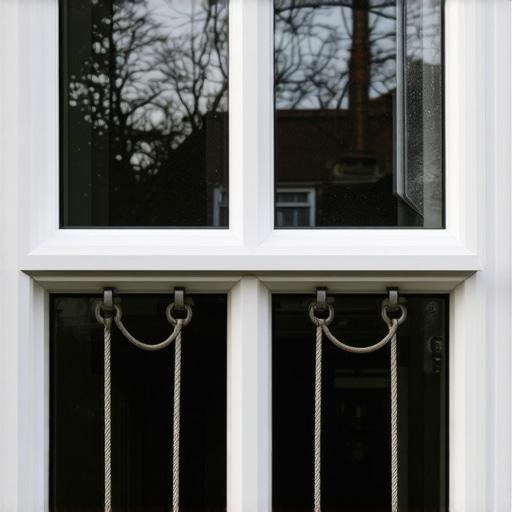
There is a specific, heart-stopping sound that occurs when a six-pound timber sash loses its grip on a frayed cord and succumbs to gravity. It is the sound of a guillotine. If you own a historic home, you know this sound well. One moment, the window is held aloft by the invisible tension of a lead weight hidden within the wall: the next, it is slamming against the sill, threatening to shatter the glass and rattle the very foundation of the room. As a glazier with over two decades in the field, I have seen the damage these failures cause. I once pulled a vinyl window out of a house in Boston and the header was completely black with rot because the previous installer relied on the nailing fin instead of proper flashing tape, but when it comes to old-growth wood sashes, the failure is usually mechanical before it is structural. Fixing a dropping sash window is not a matter of muscle or more nails: it is a matter of understanding the delicate physics of the counterbalance system and the thermal consequences of an unmanaged rough opening.
The Anatomy of a Failing Sash
To understand why your window is dropping, you must look beyond the glass. The traditional double-hung sash window is a masterpiece of 19th-century engineering. It relies on a system of weights, pulleys, and cords. The sash itself is the operable part of the window. Inside the wall, tucked into a cavity called the weight pocket, resides a lead or cast-iron weight. This weight should perfectly match the weight of the sash. If the sash weighs twelve pounds, you have two six-pound weights, one on each side. When the cord snaps, the equilibrium is destroyed. Usually, this happens because the cotton cord has been painted over so many times it has become brittle, or the pulley wheel has seized due to age and debris. This is a common issue that a professional window cleaner might notice when they cannot move the sash to reach the exterior glass, but it is a problem that requires a specific type of window repair to solve properly.
“Installation is just as critical as the window performance itself. A high-performance window installed poorly will fail.” — AAMA Installation Masters Guide
The first step in the autopsy of a failing window is removing the staff bead, which is the interior trim that holds the lower sash in place. Beneath that, you will find the parting bead, a thin strip of wood that separates the upper and lower sashes. Once these are removed, the sash can be pulled out of the frame. This is where the real work begins. You will likely see the remnants of a braided cotton cord, perhaps original to the house, now frayed and useless. In my experience, homeowners often try to fix this by jamming a piece of wood into the track. This is a temporary fix that does nothing to address the underlying issue of air infiltration and thermal bridging.
The Thermal Bridge and the Cold Climate Reality
In a northern climate, like Chicago or Minneapolis, the weight pocket is the enemy of efficiency. These pockets are essentially uninsulated chimneys that allow cold air to circulate right next to your interior walls. When you open that pocket to replace a cord, you are looking into the soul of your home’s thermal envelope. The U-factor of a single-pane sash window is already abysmal, often hovering around 1.0, but when you add the air leakage from a poorly sealed weight pocket, you are effectively living in a tent. This is why many people decide to replace windows rather than repair them. However, if the wood is old-growth heartwood, it is worth saving. Old-growth wood is denser and more rot-resistant than anything you can buy at a big-box store today. To fix the thermal issue while keeping the sash, you must focus on the glazing bead and the weatherstripping. Replacing the single pane of glass with a modern insulated glass unit (IGU) is often impossible due to the thinness of the sash, but you can improve performance by applying a Low-E film or adding a high-quality storm window.
Step-by-Step: Replacing the Sash Cord
To stop the window from dropping, you must re-string the system. I recommend using a #8 or #10 spot cord, which is a cotton jacket over a synthetic core. This provides the traditional look with modern tensile strength. First, find the pocket door. This is a small, removable piece of wood in the side of the window frame, usually held in by a single screw or years of paint. Once open, you can retrieve the lead weight. Tie the new cord to the weight using a secure knot, like a bowline, and then thread the cord over the pulley. Here is where the precision comes in: the length of the cord must be exact. If it is too long, the weight will hit the bottom of the pocket before the window is fully closed. If it is too short, the weight will hit the pulley before the window reaches the sill. You are looking for that perfect point of suspension where the sash feels weightless. This is the hallmark of a master glazier’s work.
“The control of air leakage is essential to the thermal performance of the building envelope.” — ASTM E2112
During this process, you should also inspect the muntins and the glazing. If the putty is cracked, moisture will seep in, increasing the weight of the sash and throwing off your balance. A window cleaner might get the glass sparkling, but if the glazing is failing, that glass will eventually fall out. Use a high-quality sarco putty and give it ample time to skin over before painting. While you have the sash out, it is the perfect time to install a sill pan or check the weep holes if you are dealing with a more modern hybrid system. For these old timber windows, however, the focus is on the shingle principle: making sure every layer of wood and flashing overlaps to shed water away from the rough opening.
Repair vs. Replace: The Financial Reality
Many people are told by high-pressure salesmen that they need to replace windows immediately to save money on energy bills. Let’s be honest: the ROI on new windows can take decades. If your frames are solid, a window repair is often the more sustainable and cost-effective choice. However, if the sill is rotted through and the weight pockets have become a highway for rodents and cold air, a full-frame replacement might be necessary. In a cold climate, you would look for a triple-pane unit with an Argon gas fill and a Low-E coating on surface #3 to reflect heat back into your home. But for those committed to historic preservation, the lead weight fix is a rite of passage. It restores the operable nature of the home and connects you to the craftsmen who built the house a century ago. [IMAGE_PLACEHOLDER] When you finally let go of the sash and it stays exactly where you put it, neither rising nor falling, you have achieved mechanical harmony. It is a satisfying conclusion to a technical challenge that requires patience, a bit of physics, and a deep respect for the building envelope.