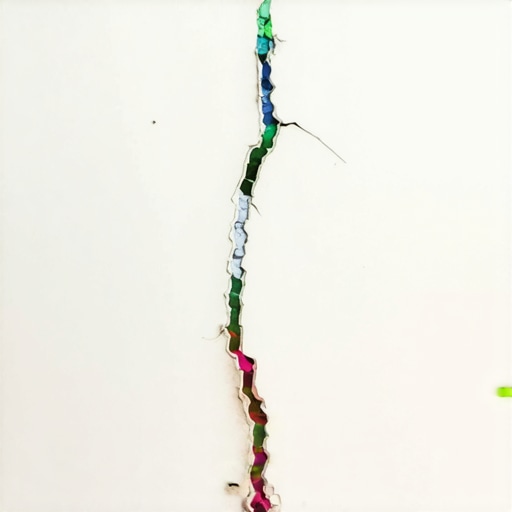
The Crayon Hack: A Master Glazier’s Secret for Diagnosing Hairline Cracks
In my twenty five years in the glazing trade, I have seen it all. I have stood on scaffolds fifty stories up and I have crawled into damp crawlspaces to inspect rotting sills. Most homeowners think a window is a simple piece of glass. It is not. It is a complex thermal barrier that must withstand wind loads, UV radiation, and the relentless cycle of expansion and contraction. When that barrier fails, it often starts with something you can barely see: a hairline crack. These fractures are the ghosts of the window world. Depending on the angle of the sun, they appear and disappear, making it nearly impossible for a window cleaner or a repair tech to track the progress of the damage. That is where the crayon hack comes in.
A few years ago, a homeowner called me in a panic because their new windows were sweating. I walked in with my hygrometer and showed them the humidity was 60 percent. It was not the windows; it was their lifestyle choices combined with a poorly calibrated HVAC system. However, during that inspection, I found something worse. Hidden behind the condensation was a stress fracture in the corner of a large picture window. To the untrained eye, it looked like a stray hair or a smudge. But to a glazier, it was a sign of a shim that was driven too tight into the rough opening. I pulled out a simple wax crayon and marked the ends of that crack. Why? Because glass moves. If you do not mark the exact terminus of a fracture, you will never know if the house is still settling or if the thermal stress is increasing. The crayon hack is the only way to provide a baseline for monitoring before you decide to replace windows entirely.
“Installation is just as critical as the window performance itself. A high-performance window installed poorly will fail.” – AAMA Installation Masters Guide
The Mechanics of the Hairline Fracture
Why does glass crack in the first place? It is rarely an accident involving a baseball. In high performance glazing, we deal with thermal stress. Imagine a cold winter morning in Chicago. The interior pane of your double pane unit is being heated to seventy degrees. The exterior pane is facing sub zero temperatures. If you have a Low E coating on Surface 3, which is standard for northern climates to reflect heat back into the room, that glass is doing heavy lifting. The temperature differential causes the glass to expand at different rates. If the glazing bead is too tight or if there is a tiny nick on the edge of the glass from the factory, that tension finds a release point. The result is a hairline crack that usually starts at the edge and meanders toward the center.
When you use a wax crayon, specifically a bright color like red or blue, you are creating a permanent record on the glass surface that survives a standard window cleaner’s squeegee. Unlike a permanent marker, which can bleed into the laminate or be difficult to remove without harsh chemicals that might damage the vinyl frame, wax sits on the surface. It allows the glazier to see exactly where the fracture started. If you see the crack move past your crayon mark a week later, you know the frame is under active pressure. This is an autopsy of a failing system, and it tells us whether we can perform a simple sash replacement or if we have to look at the rough opening for structural issues.
The Crayon Hack for the Window Cleaner
I always tell my clients to show their window cleaner the crayon marks. A professional window cleaner uses a lot of pressure with their squeegee. If they run over a hairline crack without knowing it is there, the pressure can cause the glass to shatter completely, potentially injuring the cleaner and leaving a hole in your house. By marking the crack with a crayon, you create a tactile and visual warning. The wax provides a slight bump that the cleaner will feel before they apply full force. It is a safety measure that costs five cents but saves thousands in liability and emergency glass replacement fees.
“The thermal performance of a window is a delicate balance of its components. Even a minor breach in the glass seal can lead to a significant degradation in U-factor.” – NFRC Performance Bulletin
Climate Logic: Why Cracks Matter More in the North
In colder regions, the U-Factor is our primary metric. We want the lowest U-Factor possible to prevent heat loss. A hairline crack is not just a cosmetic issue; it is a breach of the hermetic seal. Most modern windows are injected with Argon gas between the panes. Argon is denser than air and provides superior insulation. The moment a crack appears, that gas escapes. It is replaced by moist air from the environment. This leads to the dreaded fogging between the panes. Once your Argon is gone, your high tech window is essentially a glorified single pane unit. The R-value plummets, and your furnace has to work harder to compensate for the thermal bridge you have just created. This is why we monitor cracks so closely. If the crack is stable, you might have time to save up for a replacement. If it is growing, your energy bills are going to reflect that movement very quickly.
The Installation Autopsy: Beyond the Glass
When I am called for a window repair, I do not just look at the glass. I look at the whole system. Is there a sill pan? Is the flashing tape integrated with the weather resistive barrier? A crack is often just the messenger. If a window was installed without proper shims, or if the installer used expanding foam that was too rigid, the frame can bow. This bowing puts a localized load on the glass. By using the crayon hack to map the cracks, I can often determine where the frame is being pinched. If the cracks are all originating from the left jamb, I know exactly where to start my demolition. We are looking for the Shingle Principle in every installation: water and force must be directed down and out. Any interruption in that flow, whether it is a physical obstruction or a thermal one, results in failure.
How to Perform the Crayon Hack Properly
Do not just scribble on the glass. To do this like a pro, you need to find the absolute tip of the crack. Use a flashlight held at a forty five degree angle to the glass. This will highlight the refraction within the fracture. Mark a small perpendicular line at the very end of the crack. Date it. Check it once a week. If the crack moves past that line, the glass is under active stress. At that point, you are no longer in the realm of simple window repair; you are looking at a full replacement. You should also check the weep holes at the bottom of the frame. If these are clogged, water can back up, freeze, and cause the very pressure that starts these cracks. A window is a machine, and like any machine, it requires precision and maintenance. Do not accept a caulk and walk solution. Demand a technical diagnosis.