The Invisible Vulnerability of Glass Surfaces
In my 25 years of hanging sashes and sealing rough openings, I have seen more glass ruined by a five-cent razor blade than by 70-mph hail. Homeowners often view glass as an indestructible, inert slab, but to a master glazier, glass is a complex supercooled liquid with a microscopic surface topography that can be permanently scarred. When you see dried latex or oil-based overspray on your panes, your first instinct is to grab a scraper and go to town. That is the moment you risk turning a simple window cleaner task into an expensive window repair or a full-scale project to replace windows. Understanding the physics of the glass surface is the only way to maintain the integrity of your fenestration. This is especially true in cold climates like Chicago or Minneapolis, where the U-Factor of your glass is critical. A deep scratch in the glass surface can actually create a stress riser, making the pane more susceptible to thermal shock when the interior is 70 degrees and the exterior drops to sub-zero temperatures. Low-E coatings on Surface #3 reflect heat back inside during these brutal winters, and any compromise to the glass structure can affect the overall thermal performance of the unit.
“Proper maintenance of the glazing surface is essential to prevent long-term degradation of the fenestration assembly and to ensure the longevity of the seal.” – AAMA Installation Masters Guide
The Humidity Myth and the Maintenance Reality
A homeowner called me in a panic because their new windows were sweating. I walked in with my hygrometer and showed them the humidity was 60 percent. It was not the windows; it was their lifestyle, specifically their lack of ventilation while cooking and showering. While I was there, I noticed they had tried to scrape some construction debris off the glass and had left a series of arcs that looked like a figure skater had been practicing on their picture window. They had used a dry blade on dry glass. This is the cardinal sin of window maintenance. When you are dealing with dried paint, you are dealing with an adhesive bond that is often stronger than the shear strength of the glass surface if it is not properly lubricated. In a cold climate, where we rely on Argon gas fills and warm-edge spacers to prevent condensation at the glazing bead, maintaining a pristine glass surface is not just about aesthetics; it is about protecting your investment. If you scratch the glass near the muntin or the sash edge, you are inviting moisture to sit in those grooves, which can eventually lead to seal failure in an Insulated Glass Unit (IGU).
The Physics of the Scrape: Glazing Zooming
To understand how to scrape paint, you have to understand the Mohs scale of mineral hardness. Standard float glass sits between 5.5 and 7 on the scale. A carbon steel razor blade is typically around 5 to 5.5. On paper, the steel should not be able to scratch the glass. However, construction sites are filled with silica dust and crystalline sand. If a single grain of silica (which has a hardness of 7) gets caught between your blade and the glass, you are essentially drawing with a diamond on a chalkboard. This is why the first step in any window cleaner routine involving a blade is heavy lubrication. You need a surfactant-rich solution to suspend any microscopic grit so it cannot be ground into the surface. Furthermore, you must consider the ‘Tin Side’ of the glass. During the manufacturing of float glass, one side of the ribbon of glass floats on a bath of molten tin. This ‘Tin Side’ can sometimes be slightly softer or have different chemical properties than the ‘Air Side.’ If you are scraping the exterior of a high-performance window, you are likely dealing with the air side, but you must still treat it with extreme precision to avoid removing the pyrolytic hard-coats often found on Surface #4 in certain Northern applications.
“Installation is just as critical as the window performance itself. A high-performance window installed poorly or maintained with abrasive techniques will fail prematurely.” – ASTM E2112 Standard Practice
The Technical Protocol for Paint Removal
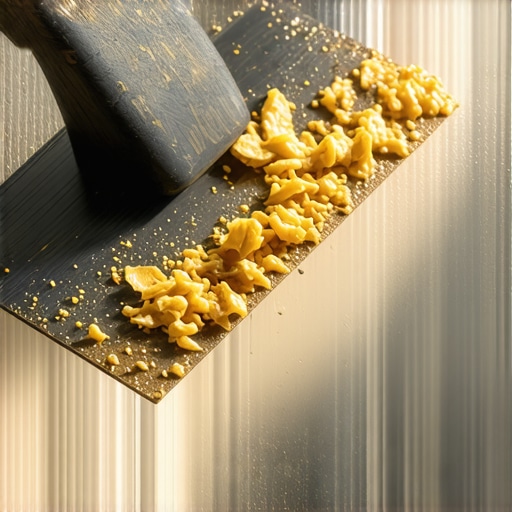
Before you begin, inspect the sash and the glazing bead. If the paint is bridging the gap between the wood or vinyl and the glass, you must first break that bridge with a sharp utility knife. If you just start scraping, you might pull the glazing bead right out of its track or peel back the flashing tape that is protecting the rough opening from water infiltration. Once the bridge is broken, saturate the area with a mixture of water and a few drops of dish soap. Do not use ammonia-based cleaners if you have wood frames, as they can degrade the finish. Use a brand-new, 4-inch stainless steel scraper. Carbon steel blades rust instantly and a nicked blade is a glass-killer. Hold the blade at a 45-degree angle. This angle is critical; too steep and you dig into the glass; too shallow and you just slide over the paint, dulling the blade. Always push the blade forward in one smooth motion. Never pull it backward. Pulling the blade back traps the debris you just scraped off under the sharp edge, which is the most common cause of ‘scratches’ (which are actually microscopic gouges). As you work around the muntins, be mindful of the weep holes in the sill pan. If you scrape paint and it falls into these holes, you will block the drainage system of the window, leading to water backup and potential rot in the subfloor.
When Maintenance Turns into Window Repair
If you find that the paint you are scraping is actually covering up deep-seated issues, you might be looking at a window repair rather than a cleaning job. Often, painters will slap a thick coat of latex over a failing sash to hide the fact that the wood is punky. If you push your scraper against the glass and the whole sash flexes or you see water squeeze out from behind the glazing bead, the paint was the only thing holding it together. In our Northern climate, once water gets into the rough opening because of a failed seal or blocked weep hole, the freeze-thaw cycle will expand that gap until the window becomes inoperable. This is when the math of the situation changes. While I am an advocate for preserving historic wood windows with proper shims and weight-and-pulley systems, there comes a point where the U-Factor is so abysmal that you are better off looking to replace windows with modern fiberglass units that offer better dimensional stability. Fiberglass has a similar expansion coefficient to glass, meaning the seals are less likely to fail during our 100-degree temperature swings between July and January. Whether you are cleaning or replacing, remember that a window is a system: the glass, the frame, the flashing, and the installer’s skill all work together to keep the weather outside where it belongs.