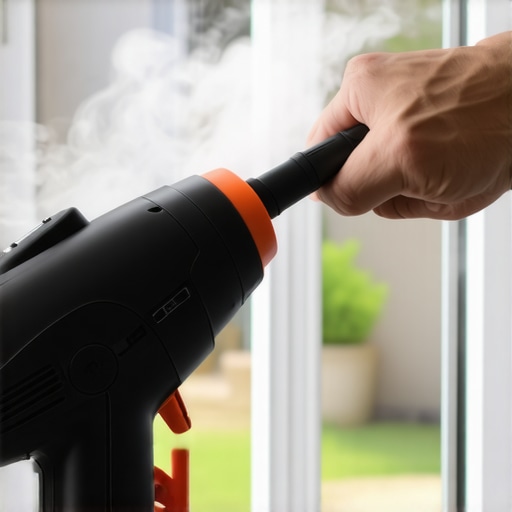
I have spent over two decades in the glazing industry, and if there is one thing I have learned, it is that a window is a complex thermal barrier, not just a piece of glass. Most homeowners treat their windows like furniture, but they are actually mechanical systems. When a homeowner calls me for a window repair or because they think they need to replace windows, more often than not, the issue is a total failure of basic maintenance within the operable components of the frame. The tracks of your windows are the most neglected part of the building envelope, yet they are critical for water management and air infiltration. This is where the handheld steamer becomes an essential tool for the serious property owner.
The Condensation Crisis: A Reality Check
A few years ago, a homeowner in a cold climate called me in a panic because their new high-performance windows were ‘sweating’ and the tracks were filled with a thick, black sludge. They were convinced the units were defective. I walked in with my hygrometer and found the interior humidity was pushing 65 percent. It was not a manufacturing defect; it was a lifestyle issue combined with blocked weep holes. The sludge in the tracks was a mixture of household dust, skin cells, and moisture that had provided a perfect petri dish for mold. This ‘grime’ was actually preventing the window from closing tightly against the weatherstripping, which in turn lowered the surface temperature of the frame and exacerbated the condensation. I did not sell them new windows; I taught them how to use a steam cleaner to restore the thermal integrity of their sash seals.
“Installation is just as critical as the window performance itself. A high-performance window installed poorly will fail.” – AAMA Installation Masters Guide
The Science of the Track: Why Steam Beats Chemicals
When you look at a window track, you are looking at the drainage plain of the rough opening. Most modern vinyl and aluminum windows use a sill pan design that relies on gravity to move water through weep holes to the exterior. Over time, these tracks accumulate debris that acts like a sponge, holding moisture against the frame. This is particularly dangerous for wood windows, where trapped moisture leads to rot, but even in vinyl windows, it degrades the glazing bead and the adhesive properties of the flashing tape. Traditional window cleaner solutions often leave a soapy residue that actually attracts more dust. This is why I advocate for a handheld steamer. The high-temperature vapor breaks the molecular bond between the grime and the frame material without the need for abrasive scrubbing that can scratch the finish or damage the weatherstripping.
Thermal Considerations in Cold Climates
In northern regions where the U-Factor is the primary metric for success, the seal of the window is paramount. A window with a low U-Factor is useless if the track is so filled with grit that the sash cannot fully engage with the frame. When air leaks through a dirty track, it creates a cold spot. This cold spot is where the dew point is reached, leading to the moisture issues I mentioned earlier. Steam cleaning ensures that the tight tolerances required for high-performance fenestration are maintained. It allows the shim and frame alignment to function as intended without the interference of compacted debris.
The Professional Steaming Protocol
Before you begin, you must understand the material you are working with. If you have vinyl windows, you must be careful not to hold the steam nozzle in one place for too long, as excessive heat can cause the PVC to deform. For wood windows, the goal is to use the ‘dry’ steam to lift dirt without saturating the wood fibers, which could lead to swelling or finish failure.
First, use a vacuum with a crevice tool to remove all loose particulates. If you skip this, the steamer will just turn the dust into a muddy slurry. Once the loose debris is gone, apply the steam in short bursts along the length of the track. Focus on the corners where the muntin bars meet the frame and where the sash balances are located. The heat will liquefy old grease and organic buildup. Immediately wipe the track with a microfiber cloth. You will see the grime lift away effortlessly, revealing the clean, original surface of the track.
“Proper maintenance and cleaning of fenestration products are essential to ensure the longevity and performance of the total wall system.” – ASTM E2112 Standard Practice
Managing the Weep Holes
The most important part of this process is ensuring the weep holes are clear. These are the small rectangular or circular openings on the exterior of the frame. Use the concentrated pressure of the steamer to blow through these channels from the inside out. If you see water and steam exiting the exterior of the window, you know the drainage system is functioning. If the water backs up, your window is at risk of overflowing into the wall cavity during the next heavy rainstorm, which is a leading cause of structural rot.
When Cleaning Is Not Enough: Identifying True Failure
As a window cleaner or maintenance enthusiast, you must know when the window repair stage has passed and it is time to replace windows. While steam cleaning can restore the movement of a sticky sash, it cannot fix a blown IGU (Insulated Glass Unit). If you see fogging between the panes that won’t go away after the track is cleaned and the room is dehumidified, the seal has failed. Furthermore, if you find that the track is physically cracked or that the sill pan has been compromised, a cleaning will not stop water from entering your rough opening. In these cases, the structural integrity of the building is at stake, and a full-frame replacement is often the only responsible course of action. However, by maintaining clean tracks through regular steaming, you can often double the functional lifespan of your windows, ensuring that the ROI of your initial investment remains high for decades.