The First Line of Defense: Why Mesh Integrity Matters
As a Master Glazier with over a quarter-century in the field, I have seen every possible failure point in a building envelope. While most homeowners obsess over the U-Factor of their glass or the structural integrity of the Rough Opening, they frequently overlook the humblest component of the fenestration assembly: the window screen. A screen is not merely a bug barrier; it is a critical component of your home’s ventilation and moisture management system. When you have a puncture or a tear, you are not just letting in flies; you are compromising the functionality of your operable windows. Many people assume they need to replace windows or at least the entire mesh when they see a hole, but a professional-grade patch can restore performance in five minutes if you understand the material science behind it.
The Condensation Crisis: A Narrative of Airflow
A homeowner called me in a panic because their new windows were ‘sweating’ and they feared the seals had failed. I walked in with my hygrometer and showed them the humidity was 60 percent. It was not the windows; it was their lifestyle and a total lack of ventilation. They had kept their windows locked tight for months because their screens were riddled with holes, and they feared a pest infestation. By ignoring a simple screen repair, they had inadvertently created a microclimate inside their home that was rotting their interior muntins and staining the glazing bead. I showed them that a quick patch would allow them to open their windows, equalize the pressure, and drop the dew point. It was a classic case where a five-cent repair could have prevented a five-figure moisture problem.
“Effective window maintenance extends beyond the glass to include all peripheral components like screens and seals. Proper airflow is essential for the longevity of the entire window assembly.” AAMA Installation Masters Guide
Glazing Zooming: The Material Science of the Screen
To fix a screen properly, you must understand what you are touching. Most modern screens are made of fiberglass mesh, which is actually a glass yarn coated with a protective layer of PVC. This material is chosen for its dimensional stability; unlike old-school aluminum mesh, it does not dent or ‘remember’ a crease. However, it is susceptible to UV degradation over time. If you use a window cleaner with high ammonia content, you might inadvertently accelerate the breakdown of this PVC coating, making the mesh brittle. This is why a window cleaner should always be pH-neutral. When we talk about a 5-minute patch, we are usually dealing with fiberglass. Aluminum mesh requires a different approach involving ‘weaving’ the wires, which is a lost art in the ‘caulk-and-walk’ era of modern contracting. For fiberglass, the physics of the repair relies on adhesive bonding or thermal fusion. We are looking for a patch that maintains the 18×16 or 20×20 weave density to ensure that even the smallest ‘no-see-ums’ cannot penetrate the barrier.
The Technical Anatomy of the Window Assembly
Before you apply your patch, take a moment to inspect the surrounding components. Is the screen sitting correctly against the sash? Is the sill pan clear of debris? Often, holes in screens are caused by friction against a misaligned glazing bead or a shim that was driven too deep during the initial installation, causing the frame to bow. If your window is operable, the screen must have enough clearance to allow the sash to move without snagging. Furthermore, check the weep hole at the bottom of the frame. If your screen is damaged, it often sheds small fibers that clog these drainage ports. A clogged weep hole is the primary cause of water backing up over the sill pan and into your floorboards. This is why window repair is a holistic endeavor; you cannot fix the mesh without looking at the drainage.
“The installation and maintenance of fenestration products must ensure that water management systems remain unobstructed. Even minor components like insect screens play a role in the debris management of the sill area.” ASTM E2112 Standard Practice
The 5-Minute Professional Patch Procedure
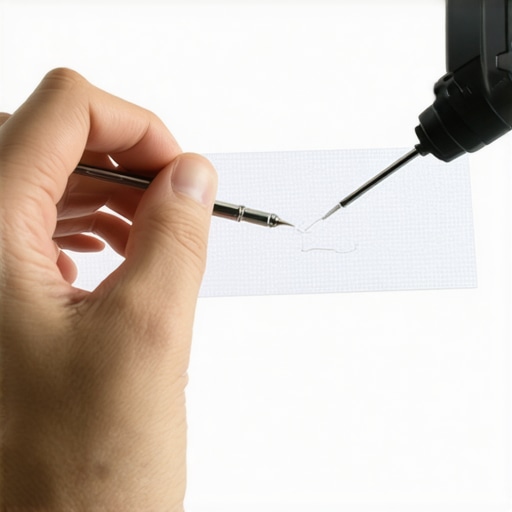
The standard ‘peel-and-stick’ patches found at big-box stores are often garbage because the adhesive is not UV-stable. As a pro, I prefer a heat-activated approach or a high-bond cyanoacrylate method. First, trim the damaged area into a clean square. This might seem counterintuitive (making a hole bigger to fix it), but a square hole allows the mesh tension to distribute evenly. Next, cut a piece of replacement mesh exactly one inch larger than the hole. If you are using a self-adhesive fiberglass patch, use a hair dryer to warm the adhesive after application. This ‘wets’ the glue, allowing it to flow into the cross-sections of the mesh, creating a mechanical lock. This is the difference between a patch that falls off in August and one that lasts until you eventually replace windows years down the line. If you are working with aluminum, you must unweave the edges of the patch and ‘sew’ them through the existing screen, then bend the wires back. It is tedious, but it is the only way to ensure the rough opening of the mesh remains consistent.
Climate Logic: Ventilation in the Cold North
In colder climates like Minneapolis or Chicago, the screen is often removed in the winter to allow more light to enter and to prevent snow from weighting down the mesh. However, during the shoulder seasons, a functional screen is your best tool for managing indoor air quality. In these regions, the U-Factor is the king of metrics, but even the best triple-pane window cannot compete with the fresh air exchange provided by an operable window. If your screen is damaged, you lose that exchange. The goal is to keep the interior glass surface temperature above the dew point. By repairing your screen and utilizing ‘night flushing’ (opening windows at night to cool the thermal mass of the house), you can reduce the load on your HVAC system significantly. This is a practical application of building science that goes far beyond the simple window repair of a hole.
The ROI Myth: Repair vs. Replacement
I often hear high-pressure salesmen telling homeowners that they need to replace windows because a few screens are torn or the frames look ‘tired.’ This is the ‘Tin Man’ approach to glazing. The reality is that the ROI for new windows can be 20 to 30 years. A 5-minute screen patch, combined with a thorough cleaning using a professional window cleaner and a lubrication of the sash tracks, can extend the life of your existing units by a decade. Unless you have structural rot at the flashing tape level or a total seal failure (fogging between panes), repair is almost always the smarter financial move. Focus on the ‘moving parts’ of the window. If the weep hole is clear, the glazing bead is tight, and the screen is patched, you have a high-functioning system.
Advanced Maintenance: Beyond the Patch
Once your screen is patched, your work is not done. You must ensure the tension of the spline (the rubber cord holding the mesh in) is still adequate. If the spline is dry-rotted, even the best patch won’t save the screen during a high-wind event. Take a shim or a small flathead screwdriver and gently press on the spline. If it cracks, it is time for a full re-screen, not just a patch. This level of detail is what separates a Master Glazier from a handyman. We look at the system, from the rough opening to the flashing tape, ensuring that every layer of the ‘hole in the wall’ is managed for maximum performance and longevity.