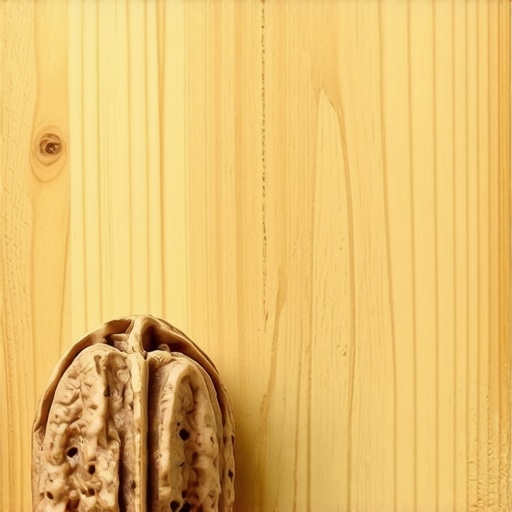
The High Cost of Neglect and a Surprising Low-Cost Solution
I once pulled a wood sash out of a 1912 Victorian home where the homeowner had ignored minor surface abrasions for a decade. The previous contractor had simply relied on the nailing fin and a bead of cheap latex caulk rather than proper flashing tape. Because the protective finish was compromised by those small scratches, moisture from condensation began to migrate into the grain. By the time I arrived, the bottom rail was a sponge of black rot. This is why a simple window repair is never just about aesthetics. It is about maintaining the integrity of the thermal envelope. If you own wooden windows, you are managing a living material that reacts to the dew point and relative humidity of your home. While many homeowners immediately think they need to replace windows when they see a bit of wear, a $4 walnut and a bit of technical knowledge can often extend the life of your fenestration by years.
“Installation is just as critical as the window performance itself. A high-performance window installed poorly will fail.” AAMA Installation Masters Guide
The Molecular Science of the Walnut Trick
When you see a scratch on a wooden window sash or muntin, you are looking at fractured wood fibers that no longer reflect light uniformly. This creates a visual disruption. The walnut trick is not magic. It is organic chemistry. The meat of a walnut (Juglans regia) contains high concentrations of polyunsaturated fatty acids and natural tannins. When you rub the nut into the scratch, you are performing a localized pressure-fill. The oils penetrate the cell walls of the wood, while the tannins provide a natural dye that mimics the oxidation of most common stains like oak, cherry, or walnut itself. This is particularly effective on older, dark-stained frames where the scratch exposes the lighter, raw wood beneath. It is a temporary fix that prevents capillary action from drawing moisture into the wood during a routine window cleaner session.
Why Wood Frames Win the Thermal War
In northern climates where the temperature differential between the interior and exterior can exceed 70 degrees, the U-Factor is your most critical metric. Wood is a natural thermal break. Unlike standard aluminum which has a high expansion coefficient and conducts cold directly into the room, wood stays stable. This stability is vital for the longevity of your Insulated Glass Unit (IGU). If the frame moves too much, the glazing bead can lose its seal, allowing the Argon gas to escape. Once that gas is gone, the U-Factor skyrockets and you get condensation on Surface #4. By repairing scratches early, you maintain the vapor permeability of the wood finish, ensuring the frame does not trap moisture that could lead to seal failure.
“Proper maintenance of the protective finish is essential to the service life of a wood fenestration product.” AAMA Maintenance Guidelines
How to Execute the Repair Properly
First, use a professional-grade window cleaner to ensure the area is free of dust and wax buildup. Identify the depth of the scratch. If it is a surface-level scuff in the clear coat, the walnut will work wonders. If you can feel a deep groove with your fingernail, you are looking at a structural breach of the finish. Rub the walnut meat diagonally across the scratch. The friction generates a small amount of heat which helps the oil flow into the wood fibers. Let it sit for several minutes to allow the tannins to react with the wood. Finally, buff the area with a microfiber cloth. This process does not just hide the mark. It reseals the fiber, preventing the wood from acting like a wick for atmospheric moisture.
The Reality Check: Repair vs. Replace
Not every window can be saved by a nut from the pantry. If you notice that your rough opening is out of square or if the sill pan has failed, a walnut is like putting a band-aid on a broken leg. Look for signs of daylight around the sash or a draft that a shim cannot fix. If the wood is soft to the touch or if you see evidence of fungal growth on the muntins, it is time to replace windows. However, for the conscientious homeowner who wants to maintain high curb appeal and thermal efficiency, these small acts of maintenance are the difference between a 15-year window and a 50-year window. Proper window repair is an ongoing commitment to the physics of your home. Don’t be the person who lets a $4 scratch turn into a $4,000 replacement bill.