
I remember the frustrating moment when I reached for another roll of paper towels, only to realize I was about to waste yet another chunk of money—and the environment’s patience. My old cleaning routine felt like a never-ending cycle of clutter, cost, and guilt. One day, standing before a streaky window, it hit me—there had to be a smarter way. That “lightbulb moment” led me to discover the power of a simple, eco-friendly approach that’s transforming how I handle window cleaning in 2026.
Why It’s Time to Ditch Paper Towels for Good
Like many, I’ve been conditioned to reach for the nearest roll when a smudge appears. But did you know that according to the Environmental Protection Agency, a single family can use over 500 pounds of paper towels annually, much of which ends up in landfills? That’s staggering! Plus, the recurring cost adds up quickly. Switching to sustainable alternatives isn’t just a trend—it’s a necessity for our planet and budget.
After years of tossing countless paper towels, I finally embraced reusable cloths and innovative cleaning solutions. The difference was immediate: fewer messes, less waste, and remarkably sparkling windows every time. If you’ve ever felt overwhelmed by wastefulness or simply tired of the never-ending expense, I promise, there’s a better way—one that’s effective, affordable, and eco-conscious.
What If Your Windows Are Still Streaky and Dirty?
If you’re skeptical—trust me, I was too. My early attempts often left me frustrated, thinking, “Is this really worth the hype?” Early on, I made the mistake of using cheap microfiber cloths that just pushed dirt around and neglected the importance of the right cleaning tools. This common mistake often leads to subpar results, but with a few adjustments, I found a game-changing strategy. Curious if your current method is just the tip of the iceberg? Check out the trusted window cleaning solutions that truly last, by visiting this page.
In the upcoming sections, I’ll share the exact steps I took—practical, straightforward tips that anyone can implement. Whether you’re dealing with stubborn stains, foggy glass, or just want to ditch the endless paper towel cycle, this approach will simplify your life and leave your windows looking pristine. Ready to make the switch? Let’s dive into how you can optimize your window cleaning routine for 2026 and beyond.
Start with the Right Tools and Products
My first step was upgrading my cleaning arsenal. I swapped out cheap microfiber cloths for high-quality, natural fiber options—think bamboo or organic cotton—that are gentle yet effective. For cleaning, I chose an eco-friendly window cleaner formulated with plant-based ingredients. This choice not only reduces chemical exposure but also preserves window seals and glass integrity. Using the wrong cleaner can be like using sandpaper on your glass—damage that leads to costly repairs.
Implement a Precise Cleaning Technique
Use the Two-Jerk Method
Once I had the right product, I focused on technique. I adopted the ‘two-jerk’ method: spray the cleaner generously, then use a squeegee in a smooth, W-shaped motion from top to bottom. For stubborn spots, I applied a second spray directly on the area. During a particularly messy Saturday, I accidentally over-sprayed a nearby window, causing drips. But I quickly wiped it with a damp cloth before the cleaner dried. This prevented streaks and made my windows shine flawlessly. Pro tip: always work in sections to prevent drips from drying unevenly.
Focus on Wiping and Polishing
After squeegeeing, I switched to a clean microfiber cloth to buff the glass. The trick was to make gentle, circular motions, which broke down any remaining streaks. I learned that using a dry cloth on slightly damp glass can cause smudges; it’s best to let the cleaner do its job, then lightly polish with a fresh cloth. This step transforms streaky glass into a mirror-like finish, comparable to a professional job but achieved with household tools.
Addressing Damaged or Foggy Windows
If your windows look cloudy or foggy, a simple repair might suffice instead of replacing the entire unit. For minor fogging, I employ a quick fix by resealing the edges with a specialized sealant. For larger issues, consider a more comprehensive approach: inspecting the window for cracks, drafts, or broken seals. Sometimes, a damaged seal causes fogginess, which can be remedied by professional window repair. Recognizing when a repair suffices saves money and extends your window’s lifespan.
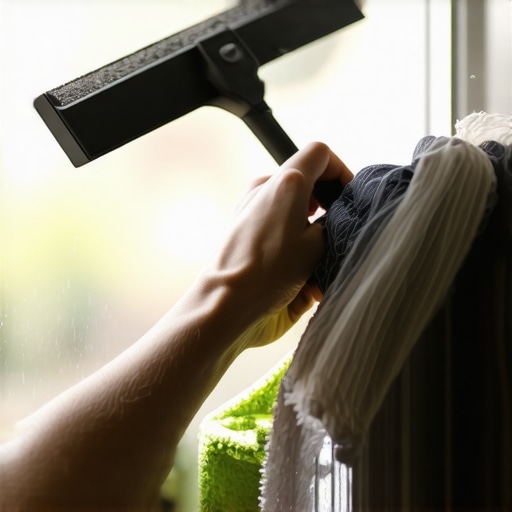
Image showing a step-by-step guide to cleaning windows with eco-friendly products and techniques. Clear, well-lit, with close-ups of squeegee and microfiber cloth in action.
Many homeowners are under the illusion that choosing cheap solutions is the best way to save money on window care, but this misconception can lead to costly mistakes. For instance, it’s a common belief that any generic cleaner or DIY fix will do, yet professional-grade products and techniques often yield significantly better results—saving time and preventing damage. Additionally, there’s a widespread myth that window replacements are always the most effective long-term solution; however, understanding when repairs or resealing are sufficient can extend your windows’ lifespan and save you a fortune.
One nuanced aspect many overlook involves the importance of the window’s sealant integrity. Even minor cracks or gaps can cause fogging or drafts, but many assume these issues necessitate complete replacement. In reality, specialized repair solutions—like resealing with quality sealants—can restore functionality without the expense of full replacement. For example, exploring trusted repair options can be a game-changer, especially in optimal repair scenarios detailed here: trusted window repair solutions.
A significant advanced mistake is ignoring the subtle signs that indicate a window isn’t just dirty but structurally compromised. Misjudging these signs can lead to neglecting necessary repairs that could prevent more extensive damage and higher costs later. According to industry experts, identifying early indicators—such as persistent condensation, difficulty in opening or closing—can guide you toward cost-effective repairs instead of premature replacements (know when to fix or replace).
Furthermore, some assume DIY cleaning methods are sufficient for maintaining clear glass, but using improper techniques or products can inadvertently worsen streaks or cause damage over time. A study by the Building Research Establishment highlights how improper cleaning practices can degrade glass seals and coatings, leading to accelerated deterioration (expert cleaning tips). Therefore, investing in professional advice or green cleaning solutions like those found here: eco-friendly cleaners is wise.
Beyond routine maintenance, understanding the nuances of window lifespan and materials can greatly influence your decisions. For instance, some window types are more prone to fogging due to seal failure, which can be remedied without full replacement. As outlined in trusted guides, small repairs can significantly prolong the life of your existing windows, preventing unnecessary expenses and waste (long-lasting tips).
In summary, let’s dig deeper—it’s not just about cleaning or replacing but understanding the subtle signs, appropriate solutions, and when to act. Recognizing these hidden nuances ensures your window investments stand the test of time and environmental challenges. Have you ever fallen into this trap? Let me know in the comments.
Keep Your Windows in Prime Condition with the Right Gear
Maintaining your windows takes more than just occasional cleaning; it requires the right tools and a strategic approach. Personally, I rely heavily on high-quality microfiber cloths made from organic cotton because they offer superior streak-free finishes without abrasive chemicals. For cleaning solutions, I recommend using eco-friendly window cleaners formulated with plant-based ingredients—these are gentle on your glass while providing effective grime removal. Investing in durable, rust-resistant squeegees ensures consistent results and a longer lifespan for your equipment, which pays off over time.
When it comes to repair work, I swear by a professional-grade sealant that can reseal minor cracks or foggy edges—this extends the life of your existing windows and defers costly replacements. It’s a small investment that offers big savings, especially when combined with regular inspections for early signs of deterioration. Using specialized moisture meters can help detect hidden issues before they escalate, making preventative maintenance much easier and more effective.
How do I maintain window health over time?
Consistent upkeep is vital. Scheduling seasonal inspections, following a standardized cleaning schedule, and promptly addressing small issues like leaks or cloudiness with trusted solutions—such as those outlined in trusted repair options—can prevent costly repairs down the line. Additionally, integrating smart monitoring systems can alert you about seal failures or drafts early, ensuring you stay ahead of potential damages and maintain your windows’ longevity effortlessly.
Looking ahead, I predict that smart tools like automated moisture detectors and AI-powered maintenance apps will become standard. These innovations will make long-term window care more proactive and less reactive, saving homeowners time and money. Don’t wait for a problem to escalate—try adopting a routine with professional tools like moisture meters and eco-friendly cleaners now, and enjoy the peace of mind that comes with well-maintained, durable windows.
Throughout my journey into window maintenance, I uncovered a few game-changing insights that no generic guide ever mentions. First, the importance of inspecting window seals regularly cannot be overstated—early detection of cracks can save you hundreds in repairs. Second, using eco-friendly cleaners made a noticeable difference in preserving the glass and environmental health, a detail overlooked by many DIY enthusiasts. Lastly, I’ve realized that sometimes, a simple reseal with trusted solutions (like the ones listed here) extends your window’s lifespan far beyond expectations. These lessons transformed my approach and might do the same for you.