The Glazier’s Perspective: Why Your Cleaning Routine Is Killing Your Windows
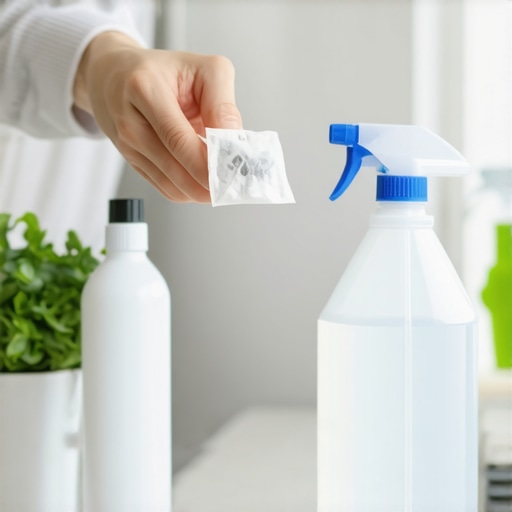
After twenty-five years in the glazing trade, I have seen it all: from twenty-story curtain walls to the delicate restoration of century-old wood sashes. One thing that consistently grinds my gears is the sight of a homeowner diligently spraying ‘Blue’ ammonia-based cleaner onto a high-performance, Low-E coated Insulated Glass Unit (IGU). To the untrained eye, it looks like good maintenance. To a master glazier, it looks like a slow-motion demolition of the window’s integrity. Most store-bought cleaners contain harsh solvents and surfactants that were never designed for the complex chemistry of modern glass coatings or the sensitive polyisobutylene (PIB) seals that keep your argon gas inside the unit. Instead of spending ten dollars on a chemical cocktail that might fog your glass over time, we have moved back to a method that costs pennies: the tea bag trick.
The Condensation Crisis: A Narrative Reality Check
A homeowner called me in a panic because their new windows were ‘sweating’ and they were convinced the seals had failed within six months. I walked into their living room with my hygrometer and a thermal imaging camera. I didn’t even look at the glass first; I looked at the hygrometer. It registered 60% relative humidity. I had to explain that it wasn’t a window failure; it was their lifestyle. They had twenty-four houseplants and a humidifier running in a room where the Rough Opening was sealed so tightly that the moisture had nowhere to go. This experience highlights a critical truth in my industry: people treat windows like static objects, but they are dynamic thermal valves. When you use the wrong cleaners, you aren’t just cleaning glass; you are potentially interfering with the surface tension and the drainage systems, like the Weep Hole, that allow the window to function as a holistic system.
“Installation is just as critical as the window performance itself. A high-performance window installed poorly will fail.” AAMA Installation Masters Guide
The Science of the $1 Tea Bag Trick
Why tea? It sounds like a ‘life hack’ from a clickbait video, but the physics is sound. Black tea contains tannic acid. On a molecular level, tannic acid acts as a natural surfactant that breaks down the organic oils and carbon deposits that accumulate on exterior glass. Unlike ammonia, which can be highly alkaline and potentially reactive with certain Low-E coatings applied to Surface #4 (the room-side surface), tannic acid is mildly acidic and leaves a microscopically thin, anti-static layer. This prevents dust from adhering to the Sash as quickly. To use it, you simply steep three to four high-tannin black tea bags in a liter of boiling water, let it cool completely to avoid thermal shock to the pane, and apply it with a microfiber cloth. This method avoids the ‘blue haze’ caused by synthetic dyes and the streaking caused by the rapid evaporation of isopropyl alcohol found in commercial sprays.
The Enemy: How Improper Cleaning Leads to Window Repair
When you spray a window liberally with commercial cleaners, the liquid often pools at the Glazing Bead. Over years, these chemicals can migrate into the rebate of the frame where the IGU sits. If the Sill Pan is not properly sloped or if the Weep Holes are clogged with old cleaning residue and dust, that chemical-rich water sits against the primary seal of the glass unit. Ammonia is particularly aggressive; it can embrittle the secondary silicone seal, eventually allowing the argon or krypton gas fill to escape. Once that gas is gone and replaced by moist air, you get ‘fogging’ between the panes. At that point, you aren’t looking at a simple cleaning job; you are looking at a full window repair or glass replacement. Keeping the Rough Opening tolerances and the drainage pathways clear is far more important than a ‘streak-free shine.’
Understanding the Thermal Physics: U-Factor and SHGC
Before you decide to replace windows based on a salesperson’s pitch, you need to understand the NFRC label. In a mixed climate, the U-Factor is the most critical metric. It measures the rate of heat loss. A lower number means better insulation. However, many people overlook the SHGC (Solar Heat Gain Coefficient). If your windows face south and you live in a region with hot summers, a low SHGC is mandatory to block the sun’s radiant heat from ‘baking’ your interior. If you are in the North, you might actually want a slightly higher SHGC to allow for passive solar heating in the winter. A master glazier knows that a window is a hole in your thermal envelope; you must choose the glass recipe—the number of Low-E layers and the gas fill—to match the specific orientation of the wall.
“The performance of a fenestration system is dependent upon the combination of the glass, the frame, and the installation method used to integrate it into the building envelope.” NFRC Performance Standards
The Replacement Reality Check
Many homeowners are told that new windows will pay for themselves in energy savings within five years. That is a lie. The ROI on a full-frame replacement usually takes fifteen to twenty years. You replace windows for three reasons: comfort, operability, and rot prevention. If your current frames are wood and you see soft spots near the sill, the Flashing Tape or the original building paper has likely failed. A pocket replacement—where we slide a new window into an old frame—is often a ‘caulk-and-walk’ solution that ignores the rot hidden in the wall. I always recommend a full-frame tear-out if there is any sign of moisture infiltration. We Shim the new unit to perfection, ensuring the Operable parts of the window glide without friction, and we always install a proper Sill Pan to direct any future leaks back to the exterior.
Window Cleaner and Maintenance: The Long Game
If you want your windows to last thirty years, stop over-cleaning them with harsh chemicals and start inspecting the hardware. Lubricate the Sash locks and hinges with a dry silicone spray—not WD-40, which attracts dust. Ensure the Muntin bars are secure and not trapping water against the glass. The tea bag trick is a great way to keep the glass clear, but the longevity of the window depends on the management of water. A window is essentially a dam. Every part, from the Glazing Bead to the Flashing Tape, is designed to keep the interior of your home dry while allowing the building to breathe. When you understand the physics of the Rough Opening, you realize that a $1 box of tea is a much better investment for your home’s health than a bottle of blue poison. Buy for the numbers—U-factor and SHGC—and maintain for the seals.
Comments are closed.