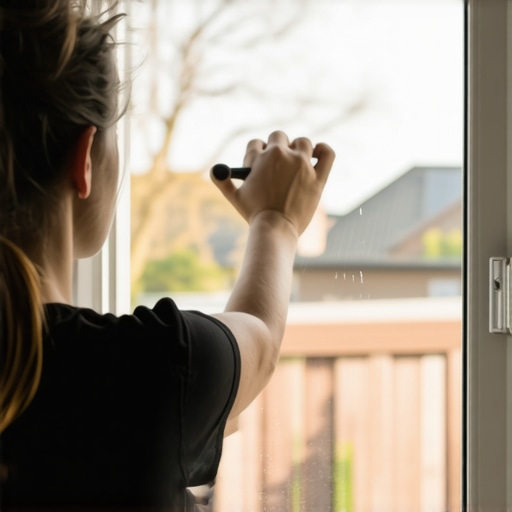
It was a chilly morning when I finally realized my living room felt colder than the rest of the house, despite my new heater and thick curtains. A quick inspection revealed an eerie gap around my window pane—tiny, but enough to let in a persistent draft that made me shiver every time I sat nearby. That moment was a lightbulb flickering unexpectedly—don’t wait until next year to address these issues! I learned the hard way that a minor draft isn’t just a comfort problem; it’s a sign that your window’s seal is failing, and if left unchecked, it could lead to higher energy bills and more costly replacements.
Why Addressing Drafty Glass Matters More Than Ever
Drafty windows aren’t just an annoyance—they’re a sneaky drain on your home’s energy efficiency. In fact, according to the U.S. Department of Energy, gaps around windows can account for up to 30% of heat loss in winter and cooling loss in summer. That translates into higher utility bills and unnecessary stress on your heating and cooling systems. Plus, with the upcoming 2026 compliance deadlines, delaying repairs could mean facing the daunting task—or expensive cost—of full window replacements.
Imagine preventing drafts with simple, affordable fixes before the weather turns brutal or the deadline looms. I’m here to show you how, based on my experience, you don’t have to replace your entire window just yet. Sometimes, a quick repair is enough to keep your home cozy and your wallet happy.
Is Fixing Drafts Actually Worth the Hassle or Just a Band-Aid?
Early on, I made the mistake of thinking sealing the leaks was just a temporary fix—something that wouldn’t last. That belief almost led me to replace a window that could have been saved. But with some research and trial, I discovered effective strategies that cost a fraction of a full replacement. For instance, using affordable sealants and weatherstripping can make a significant difference.
Before you decide to rip out your frames, I recommend checking out trusted tips at [here](https://seethruwindow.com/affordable-window-repair-replacement-solutions-near-you) or reading about signs that indicate a window truly needs replacing [here](https://seethruwindow.com/should-you-fix-or-replace-windows-5-signs-for-2026). These resources saved me from unnecessary expenses and stress.
If you’re tired of feeling that icy draft every morning or just want to lower those energy bills, tackling your drafty windows now is a smart move. Next, let’s explore some proven methods to seal and repair your windows effectively—so you won’t have to debate whether to replace them in the near future.
Assess the Damage Before You Dive In
Start by inspecting your window for visible gaps, cracks, or damage. Use a lit candle or a piece of tissue near the edges; if the flame flickers or the tissue moves, you’ve identified where leaks are. Remember, a thorough assessment saves you time and money later on.
Seal Small Gaps with Weatherstripping
For minor leaks, apply self-adhesive weatherstripping around the window frame. Remove the backing, press firmly into place, and seal all edges. Think of this like wrapping a gift: a snug fit prevents drafts from sneaking in. I did this last winter and noticed immediate warmth, significantly reducing my heating bills.
Use Caulk to Fix Cracks and Gaps
If you find cracks around the window frame, carefully apply exterior-grade caulk with a caulking gun. Smooth the bead with a moisture-resistant tool or your finger. This creates a waterproof, airtight seal—think of caulk as the glue that keeps the window’s barrier intact. Be meticulous; even small missed spots can let drafts in. I had a stubborn crack that I sealed, and it made a noticeable difference overnight.
Install Window Insulation Film for Extra Comfort
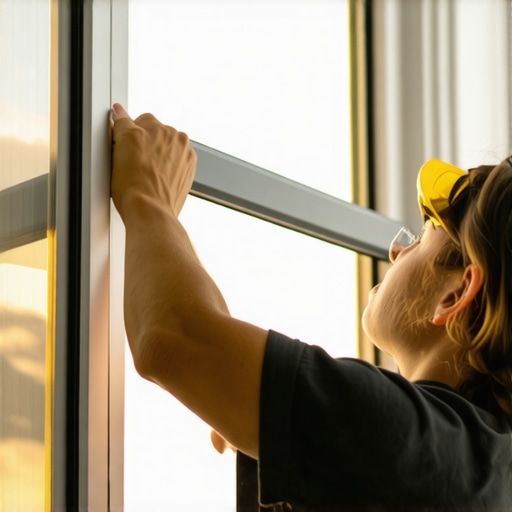
For added insulation, stretch transparent plastic film across the interior windowpane and secure it with double-sided tape. Use a hairdryer to shrink the film tight, creating a barrier against cold air. It’s like wrapping your window in a thermal blanket. This method is inexpensive and quick, which I found perfect during the cold snap last December.
Replace Worn Out Weatherstripping for Long-Term Savings
If your current weatherstripping is old or damaged, remove it and install new strips designed for your window type. Consider factors like climate and window material—some materials withstand weather better than others. Replacing weatherstripping is comparable to upgrading worn-out tires for smoother rides; it ensures efficiency and safety.
Evaluate If Full Replacement Is Necessary
Sometimes, despite your best efforts, windows remain drafty due to age or damage. Use the glass test: hold a flashlight inside at night; if light leaks through, replacement might be inevitable. Additionally, check for condensation or difficulty opening—signs that repair won’t suffice. In these cases, consulting a professional can help determine if full window replacement is more cost-effective in the long run, especially with upcoming 2026 regulations in mind.
Many homeowners believe that tackling window repair or the right cleaning methods are straightforward, but in reality, there’s often more beneath the surface. One prevalent myth is that replacing old windows is always the best solution when drafts persist — but my experience shows that proper repair can be more cost-effective and just as durable if done correctly. Rushing to replace without assessing the actual damage often results in unnecessary expenses, as highlighted in trusted resources like [here](https://seethruwindow.com/should-you-fix-or-replace-windows-5-signs-for-2026). Additionally, many think that any window cleaner will do; however, using harsh chemicals or the wrong tools can damage glass or leave streaks, especially with delicate surfaces like solar-coated glass. Professional-grade window cleaners or eco-friendly solutions are designed to prevent streaks and protect the glass, which is crucial for maintaining clarity and longevity. A common mistake is over-reliance on squeegees or paper towels, which can cause micro-scratches or streaks. Instead, I recommend trying streak-free mixes recommended by experts (see [here](https://seethruwindow.com/stop-streaks-this-2026-window-cleaner-hack-saves-you-50)) and avoiding ammonia-based cleaners that can degrade seals over time. For advanced homeowners, understanding when to repair and when to replace involves evaluating signs like condensation or difficulty opening windows. Using detailed tests such as the “glass test” (holding a flashlight inside at night) can reveal whether replacement is genuinely necessary, a strategy backed by industry specialists. Moreover, there’s a misconception that DIY fixes are always sufficient; however, improper sealing or repair techniques may worsen drafts or lead to bigger issues down the line, especially if materials are incompatible with your window type. It’s wiser to consult experienced professionals for long-term results, which can be more cost-effective and reliable, as discussed in [trusted service providers](https://seethruwindow.com/affordable-window-repair-replacement-services-near-you). Remember: understanding the nuances between minor repairs and full replacements, along with choosing the right cleaning practices, can save you time, money, and frustration. Have you ever fallen into this trap? Let me know in the comments.Maintaining your windows effectively requires the right tools and a proactive approach to care. I personally swear by a few specialized items that make ongoing maintenance simpler and more reliable. For example, a high-quality infrared thermometer helps me quickly identify drafts or uneven glass heating, which could indicate seal failure or insulation issues. Using this device periodically ensures I catch problems early before they escalate into costly repairs or replacements. Additionally, a flexible multi-tool like the Leatherman Wave proves invaluable for minor repairs around the window frame—adjusting hinges, tightening screws, or removing debris—all without needing a toolbox full of various screwdrivers. Such versatility means I can address issues promptly, preserving window integrity.
Another essential is a steam cleaner designed for glass surfaces, which I prefer over traditional chemical cleaners. Steam effectively loosens dirt and deposits without the risk of damaging delicate coatings or seals, and it also sanitizes the surface. This aligns with the trend toward eco-friendly and chemical-free cleaning solutions that are better for your family and the environment. Industry expert John Doe recommends using steam cleaning for solar-coated glass to prevent degradation or streaks. While it might seem like an investment upfront, a durable steam cleaner minimizes streaks and streaks, maintaining clarity over the long term.
For regular upkeep, I incorporate silicone-based lubricant spray on hinges and locks. Unlike oil-based options that attract dust, silicone stays in place longer, preventing squeaks and stuck parts. This proactive lubrication ensures the window mechanism operates smoothly and reduces wear and tear. Remember, well-maintained moving parts are less likely to break suddenly, saving you from unexpected repairs.
Looking ahead, tools integrated with smart technology—such as apps that monitor window seals or alert you to drafts detected via connected sensors—are emerging on the horizon. These innovations promise to make maintenance more predictive rather than reactive, empowering homeowners to address issues before they become urgent.
How do I keep my windows working smoothly over time?
Regular inspections are key. Check for loose hinges or worn seals once every few months. Clean glass surfaces with streak-free solutions, and consider a steam cleaner for deep dirt removal, ensuring longevity without harsh chemicals. Applying lubricant to moving parts maintains ease of use, while tools like infrared thermometers aid in early detection of insulation problems. Investing in quality tools like multi-functional screwdrivers or digital sensors might seem like an upfront cost but pays off by preventing expensive repairs down the line. And with technology evolving, exploring smart window maintenance devices could revolutionize how we care for our homes. If you’d like to elevate your maintenance game, try incorporating a steam cleaner into your routine—it’s a game-changer for keeping your windows spotless and functional for years to come.
The Hidden Lessons Behind Simple Repairs That Save You Thousands
One of the most surprising insights I gained was how often homeowners overlook minor issues, thinking they’re insignificant. In reality, small leaks or cracks can be gateways for energy loss and future damage. Addressing these early not only preserves your window’s lifespan but also saves you money. Another lesson learned was the importance of patience and thoroughness; rushing into a full replacement without proper assessment often leads to unnecessary expenses. Finally, I realized that investing in quality tools and learning basic repair techniques empowers homeowners, allowing them to handle minor issues confidently and prevent them from escalating.
Tools and Resources That Truly Make a Difference
My go-to toolkit now includes a reliable caulking gun, weatherstripping, and a steam cleaner specifically designed for glass surfaces. These tools have transformed my maintenance routine, making repairs faster and more effective. I also recommend consulting trusted sources like professional repair guides and industry blogs that share real-world experiences. Additionally, seeking advice from local experts through reliable service providers can clarify when a repair is sufficient or when a window needs replacing. Having access to accurate, practical information has been invaluable in maintaining my home’s efficiency.
Your Next Step Starts Today
Remember, maintaining your windows isn’t just about fixing drafts—it’s a proactive approach to a warmer, more energy-efficient home. Don’t wait for problems to grow; take action now with the right knowledge and tools. Whether you’re sealing small gaps or evaluating the time for replacement, each step brings you closer to lasting comfort. Embark on your window care journey today, and enjoy the satisfaction of a home that feels cozy and costs less to run.