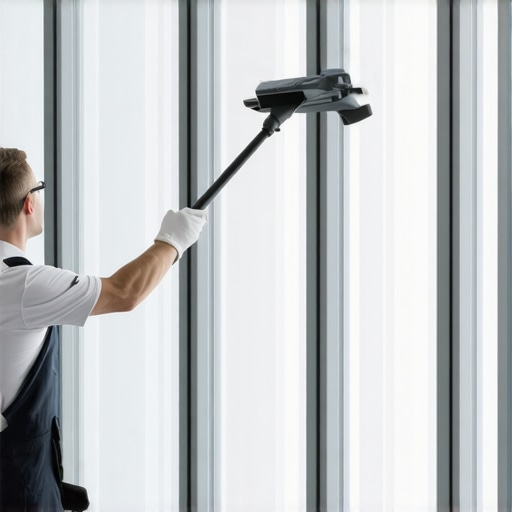
The Frustration of the Infinite Grime Cycle
As a master glazier with twenty five years on the job, I have spent thousands of hours staring through glass. I have also spent far too much time watching homeowners ruin their high performance investment with abrasive pads and harsh chemicals. When you see a window, you see a view. When I see a window, I see a complex thermal barrier consisting of a sash, a glazing bead, and a carefully calculated air space between panes. Most people spend their Saturdays scrubbing away at the exterior lite, trying to remove the stubborn film that accumulates from environmental pollutants. But there is a fundamental physics problem here that most window cleaner brands ignore: static electricity.
Every time you rub a traditional cloth across a pane of glass, you are essentially charging the surface. This creates a magnet for dust, pollen, and soot. You finish the job, the window looks clear for twenty minutes, and then the airborne particles are pulled right back to the surface. I recently encountered a situation that perfectly illustrates why our approach to maintenance needs to change.
The Condensation Crisis and the Maintenance Trap
A homeowner in a cold climate called me in a panic because their new double pane units were ‘sweating’ and looked perpetually filthy. I walked into the house with my hygrometer and discovered the indoor humidity was hovering at 62 percent. It was not a window repair issue in the traditional sense; it was a lifestyle and airflow issue. However, the homeowner had been scrubbing the glass so aggressively with paper towels that they had actually begun to etch the surface of the glass, creating microscopic grooves where dirt could settle. This is where the electrostatic approach becomes a necessity rather than a luxury. By using a tool that manages the charge of the surface, you stop fighting the physics of the environment.
“Installation is just as critical as the window performance itself. A high-performance window installed poorly will fail.” AAMA Installation Masters Guide
This quote applies to maintenance as well. You can spend $1,500 to replace windows in a single room, but if you do not understand how to maintain the glazing bead and the glass surface, you are throwing money into the wind. A $9 electrostatic tool works by using specialized fibers that carry a neutral or opposing charge to the dust particles, lifting them away without the need for mechanical friction that creates a static field.
Understanding the Physics of the Electrostatic Tool
To understand why this $9 tool is more effective than a bucket of soapy water, we have to look at the glass at a molecular level. Standard soda lime glass is relatively porous. When we talk about a window cleaner, we are usually talking about a surfactant that breaks down oils. But surfactants often leave a residue. The electrostatic tool uses dry technology. The fibers are designed to create a momentary bond with the particulate matter. Instead of pushing the dirt around and into the rough opening or the weep holes, it pulls the material into the tool.
If you are in a northern climate, you are likely dealing with high U-Factor requirements. Your windows are designed to keep heat inside. This often means you have a Low-E coating on Surface #3. If you have older windows where the coating is exposed, traditional scrubbing is a death sentence for your energy efficiency. The electrostatic tool is gentle enough to preserve these delicate metallic oxide layers while removing the film that obscures your visible transmittance.
When Cleaning Turns Into Window Repair
Sometimes, no amount of cleaning will fix the problem. During my inspections, I often find that what a homeowner thinks is ‘dirt’ is actually ‘spalling’ or ‘seal failure.’ If you see moisture between the panes, no electrostatic tool will save you. You are looking at a compromised IGU (Insulating Glass Unit). The desiccants inside the spacer bar have become saturated, and the argon gas has leaked out. This is when we move from simple maintenance to a full window repair or a complete sash replacement.
Check your weep holes. These are the small rectangular openings at the bottom of the frame. If these are clogged with the gunk you have been scrubbing off your windows for years, water will back up into the rough opening. This leads to rot in the wood framing and can compromise the shim placement, causing the window to become out of square. An electrostatic tool prevents this buildup because it captures the dirt rather than washing it down into the drainage system of the window frame.
The Performance Metrics: Why Maintenance Matters
The NFRC provides labels that tell us how a window performs. But those numbers are based on the window being in peak condition.
“The U-factor measures how well a product prevents heat from escaping a home or building. The lower the U-factor, the better a product is at keeping heat in.” NFRC Performance Standards
If your glass is coated in a layer of grime, your Solar Heat Gain Coefficient (SHGC) is technically altered, but more importantly, your pride in the home diminishes. When you decide to replace windows, you are looking for a return on investment. That ROI is only realized if the windows last their full thirty year life cycle. Aggressive scrubbing shortens that life cycle by damaging the seals and the vinyl or wood finishes. The $9 electrostatic tool is a preventative maintenance device that protects the structural integrity of the glazing system.
The Proper Technique: No More Caulk and Walk Mentality
In the trade, we despise ‘caulk and walk’ installers who hide poor craftsmanship behind a bead of silicone. You should apply that same standard to your cleaning. Start at the top of the sash and move in a consistent pattern. Ensure the electrostatic tool is clean; if the fibers are saturated, they cannot hold a charge. This tool is particularly effective on muntins and the small corners where the glazing bead meets the glass. These are the areas where traditional squeegees fail and leave streaks.
If you find that the tool is not picking up the debris, it is time to check the humidity in the room. Extremely dry air can make electrostatic tools less effective, while extremely humid air makes the dust ‘sticky.’ Finding that balance is key to a clear view. If you are struggling with drafty windows in January, don’t just blame the dirt. Check the weatherstripping and the lock engagement. A window that does not pull tight against the frame will allow air infiltration that carries more dust, making your cleaning job a daily chore instead of a monthly one.
How to Use an Electrostatic Tool for Window Maintenance
Inspect the sash and glazing bead for any loose debris or structural damage before starting.
Using the electrostatic tool, start at the top left corner of the glass and move horizontally across the pane.
Work your way down in overlapping rows, ensuring the fibers make light contact with the glass surface.
Clean the tool frequently by shaking it outside to release the captured dust particles.
Check the weep holes at the bottom of the frame to ensure no dust has fallen and blocked the drainage system.