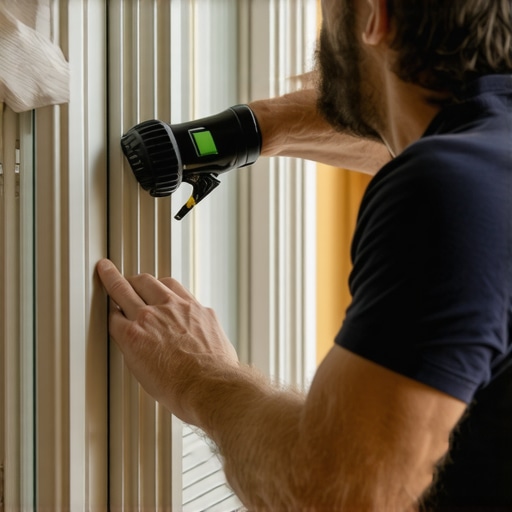
The Hidden Enemy Within Your Window Frame
I once pulled a wood sash out of a Victorian home where the homeowner complained about a slight draft. When I removed the interior stop, the entire bottom rail of the sash crumbled onto the floor like coffee grounds. This was not a simple maintenance issue. The previous installer had relied on a heavy bead of cheap silicone at the sill instead of ensuring the flashing tape was integrated with the house wrap. This trapped moisture against the rough opening, creating a terrarium for fungal growth that ate the wood from the inside out. As a master glazier, I see this daily. People assume that once a window starts to rot, the only solution is to replace windows entirely. That is often a costly misconception pushed by salesmen who have never actually held a wood chisel or understood the chemistry of epoxy consolidation.
The Anatomy of Wood Decay in Historic Sashes
To save a window, you must understand why it is failing. Wood rot occurs when the moisture content of the timber stays above twenty percent for an extended period. In northern climates, this is frequently driven by interior condensation. When the U-Factor of your glazing is high, the interior glass surface stays cold. Warm, humid indoor air hits that cold glass, reaches its dew point, and turns into liquid water. This water runs down the glass, gets behind the glazing bead or the glazing putty, and saturates the bottom rail and the muntin bars. This is why a simple window cleaner often notices the soft wood first. If you are wiping down your windows and notice the paint is bubbling or the wood feels spongy, you are witnessing the beginning of a structural failure.
“Installation is just as critical as the window performance itself. A high-performance window installed poorly will fail.” AAMA Installation Masters Guide
The Science of Window Repair: Consolidation vs. Replacement
When we talk about window repair for a rotting sash, we are looking at two primary methods: chemical consolidation and the Dutchmen repair. Chemical consolidation involves using a liquid epoxy resin that penetrates the softened wood fibers. This resin essentially turns the rotted wood into a plastic-wood hybrid that is harder than the original timber. However, if the rot has progressed to the point where the structural integrity of the sash is compromised, you must perform a Dutchmen repair. This involves cutting out the diseased section and shimming in a new piece of kiln-dried wood, usually Douglas fir or Spanish cedar, which are naturally resistant to decay. This is a surgical process. You have to ensure that the new wood is joined with a waterproof adhesive and that the grain orientation matches to prevent future warping.
Water Management and the Shingle Principle
The reason windows rot is almost always a failure of the shingle principle. Water must always be directed down and away from the building envelope. If your window does not have a functional drip cap at the head or a properly pitched sill, gravity will eventually pull water into the rough opening. Many modern installers skip the sill pan, thinking that modern flashing tape is a cure-all. It is not. A sill pan is a secondary line of defense that catches any water that bypasses the primary seals and directs it back out through weep holes. Without this, the water sits on the wooden framing, leading to the black rot I mentioned earlier. You do not always need to replace windows to fix this. Often, you can retroactively install a high-quality flashing system and repair the damaged sash for a fraction of the cost of a full-frame replacement.
“The primary goal of any window installation or repair should be the continuous management of water and air infiltration to protect the structural integrity of the wall assembly.” ASTM E2112 Standard Practice
The Thermal Logic of the North
In colder regions, we must prioritize the U-Factor. A low U-Factor means the window is better at keeping heat inside. If you are repairing an old sash, you should consider upgrading the glass to an Insulated Glass Unit (IGU) with a Low-E coating on Surface number three. This coating reflects long-wave infrared radiation back into the room, keeping the glass warmer and significantly reducing the risk of condensation. This is the technical way to prevent future rot. By managing the thermal bridge at the edge of the glass using warm-edge spacers, you keep the temperature of the glazing bead above the dew point. This is the difference between a window repair that lasts five years and one that lasts fifty.
The Math of ROI: Why Repair Wins
The high-pressure salesmen will tell you that new windows will pay for themselves in energy savings within three years. This is a mathematical impossibility. The return on investment for a full house of replacement windows usually takes decades. However, the ROI on a strategic window repair is often immediate. You restore the operable function of the sash, eliminate drafts that cause discomfort, and preserve the architectural character of the home without the five-figure price tag. When you look at the rough opening and see a solid frame, there is no reason to tear it out. You simply need to address the moisture source, consolidate the wood, and ensure the glazing is performing to modern thermal standards. Don’t buy the sales pitch; buy the physics of a well-maintained window.