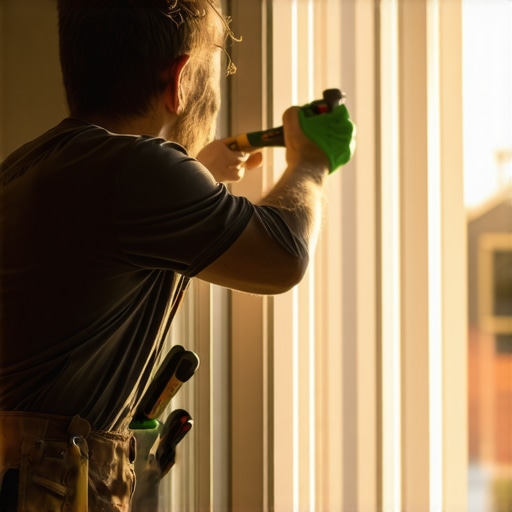
I vividly remember the day my old windows finally gave up. It was a cold winter morning, and the draft that sneaked through the cracked glass felt like a punch to the gut. I had ignored the signs for too long—squeaky hinges, cloudy panes, and rising energy bills. That lightbulb moment hit hard: I needed to replace those windows, but I had no idea where to start. The thought of making a costly mistake or ending up with shoddy results kept me paralyzed. Sound familiar?
Why Proper Window Replacement and Repairs Matter Now More Than Ever
In today’s home improvement landscape, a reliable and efficient window replacement isn’t just about aesthetics. It directly impacts your energy savings, security, and overall comfort. According to the U.S. Department of Energy, poorly installed or damaged windows can cause up to a 25% increase in heating and cooling costs. That’s money flying out the window—literally!
But here’s the catch: diving into window repairs or replacements without proper guidance can lead to costly mistakes. I learned this early on when I tried to DIY my first project. I underestimated the importance of choosing the right materials and proper installation techniques, which resulted in leaks and drafts. That mistake cost me more in the long run, both financially and in frustration.
So, how do you ensure your home gets the best results? The good news is, with a little knowledge and the right approach, you can handle replacements and repairs confidently. Today, I’ll share proven tips and resources to help you navigate this process smoothly. Whether you’re a DIY enthusiast or planning to hire professionals, these insights will save you time, money, and headaches.
Is Window Replacement Actually Worth the Investment?
This is a common question I hear from homeowners. My answer? Absolutely—if done correctly. Modern windows offer better insulation, noise reduction, and security features that can significantly boost your home’s value. Plus, with affordable options and trusted repair solutions, it’s easier than ever to achieve lasting results.
If you’re still skeptical, consider this: the right window upgrades can pay for themselves through energy savings and increased comfort. And there’s no need to go it alone. Trusted resources and expert tips are just a click away. For a comprehensive guide, check out trusted window replacement tips that simplify the process.
Now, let’s dive into what you need to know to replace your windows effectively and avoid common pitfalls. From choosing the right materials to professional repair strategies, I’ve got you covered.
Assessing Your Window Needs
Start by inspecting your current windows. Look for signs of damage such as cracks, warping, or condensation between panes. I once noticed a cloudy window that made my living room gloomy. This initial assessment helps determine whether a repair or full replacement is necessary.
Choosing the Right Windows
Research different window types—double-hung, casement, or sliding—and materials like vinyl, wood, or aluminum. Remember, selecting the right material is like choosing the right tools for a job; it impacts durability and insulation. I opted for energy-efficient vinyl windows, which drastically reduced my heating bills. For guidance, visit trusted window replacement tips.
Preparing for Installation
Clear the workspace and remove window treatments. Carefully take out the old window, being cautious to avoid damaging the surrounding wall or frame. I used a flat pry bar to gently loosen the frame, which took patience but prevented unnecessary damage. Proper preparation prevents headaches later—think of it as laying a solid foundation before building.
Installing the New Window
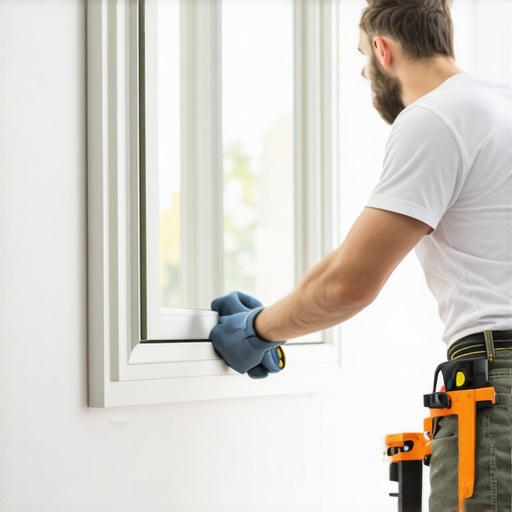
Insert the new window into the opening, ensuring it’s level and plumb. Use shims to adjust as needed, then secure it with screws. I made sure to check the fit with a level after every few screws, which saved me from crooked windows. Seal around the window with high-quality caulk to prevent leaks. For detailed techniques, see replace windows easily.
< >
>
Sealing and Insulation
Proper sealing is critical. Apply weatherstripping around the frame to block drafts. Use foam insulation in gaps to improve energy efficiency. I learned this the hard way when I skipped insulation—my utility bills spiked. Now, my windows are snug and efficient, saving me money monthly.
Final Checks and Maintenance
After installation, test the window for smooth operation and check for drafts. Clean the glass and frame thoroughly. Regular maintenance, like cleaning and inspecting seals, prolongs your investment. For ongoing care, consult trusted window cleaning and repair solutions.
Many homeowners approach window replacement with a set of assumptions that can actually hinder their success. One of the most pervasive myths is that all windows are created equal and that the cheapest options will suffice. In reality, choosing low-cost windows often results in higher long-term costs due to poor insulation, quicker wear, and increased maintenance needs. This misconception can lead to regrets and additional expenses down the line.
Why Do People Get It Wrong? The Nuance Behind Material Choices
Most people overlook the importance of understanding the subtle differences between window materials. For example, while vinyl windows are popular for their affordability and low maintenance, they may not always provide the same durability as wood or aluminum in harsher climates. Additionally, the quality of the glass and the type of glazing can significantly impact energy efficiency. A common mistake is focusing solely on aesthetics or initial price without considering how the window performs over time.
Another often-missed detail is the significance of professional installation. Many assume that a window is a window, so any installer will do. However, improper installation can lead to leaks, drafts, and even structural damage. An expert understands that precise sealing, shimming, and insulation are crucial steps that directly affect the window’s performance and longevity. This is why trusting experienced professionals or at least thoroughly researching installation techniques is vital—see trusted window replacement tips.
Advanced Mistake: Underestimating the Importance of Proper Sealing and Insulation
A hidden trap many fall into is neglecting the detailed sealing process. While installing the window is a major step, failing to properly seal gaps with weatherstripping or foam insulation can nullify the benefits of energy-efficient glass. This mistake is subtle but impactful, as drafts and air leaks are often invisible to the untrained eye. Ensuring comprehensive sealing is an advanced step that separates a good window replacement from a great one. For expert advice on this, visit replace windows easily.
Have you ever fallen into this trap? Let me know in the comments. Remember, understanding these nuances can save you money and frustration, so don’t shy away from digging deeper into your project. By tackling these hidden pitfalls, you’ll ensure your window replacement is a long-lasting, cost-effective upgrade that truly enhances your home’s comfort and value.
How do I maintain my windows over time?
Maintaining your windows isn’t a one-time task; it’s an ongoing process that ensures longevity and optimal performance. I personally rely on a few key tools and routines that have proven effective in my experience. First, a high-quality silicone-based spray lubricant is essential for keeping hinges, locks, and sliding mechanisms operating smoothly. I apply it every six months, especially before winter, to prevent rust and stiffness.
Secondly, a soft microfiber cloth combined with a gentle glass cleaner is my go-to for keeping the glass crystal clear. Regular cleaning not only enhances appearance but also prevents buildup that can scratch the surface over time. For frames, I prefer a brush with soft bristles to remove dust in hard-to-reach areas, followed by a quick wipe with a damp cloth.
One tool I highly recommend is a digital moisture meter. This device helps me detect hidden condensation or moisture buildup behind the panes, which can indicate seal failures. Catching these early allows for timely repairs, saving money and preventing further damage. These tools are straightforward to use and well worth the investment for homeowners serious about long-term maintenance.
Looking ahead, I believe the trend will shift toward smart maintenance solutions — like IoT-enabled sensors that monitor window integrity and alert you when maintenance is needed. Companies are already developing these integrated systems, which could revolutionize how we care for our windows, making maintenance more proactive and less reactive.
What advanced tips can help ensure your windows stay in top condition?
One advanced tip I encourage everyone to try is applying a weatherproofing sealant on the frame and sashes annually. Modern sealants are more durable and flexible than ever, providing an extra layer of protection against the elements. For example, a silicone-based sealant can move with the frame as it expands and contracts with temperature changes, preventing cracks and leaks.
In my experience, this simple step drastically reduces drafts and energy loss, and it’s a cost-effective way to extend the life of your windows. For detailed guidance, check out trusted window repair tips.
Consistency is key. Incorporate this sealing routine into your annual maintenance schedule, and pair it with regular inspections using a moisture meter. By doing so, you’ll catch issues early, avoid expensive repairs, and keep your windows functioning beautifully for years to come. If you’re interested in more in-depth strategies, explore trusted repair solutions that can complement your maintenance efforts.
The Hardest Lesson I Learned About Window Replacement
One of my most eye-opening experiences was realizing that rushing through sealing and insulation can undermine an entire window upgrade. I once skipped detailed sealing, thinking the installation alone was enough, only to face drafts and higher energy bills afterward. That taught me that meticulous sealing is the secret to truly energy-efficient windows.
3 Myths About Window Materials That Held Me Back
I used to believe that all vinyl windows were equally durable, which isn’t true. Over time, I discovered that choosing the right material depends heavily on climate and intended use. For instance, aluminum offers durability but less insulation, whereas vinyl balances cost and energy efficiency. Busting these myths saved me from costly regrets.
What Experts Won’t Tell You About Professional Installation
Many homeowners assume any contractor can install windows just as well as a specialist. I learned that expert installers pay attention to small details—like shimming and sealing—that dramatically impact performance. Investing in skilled professionals is a game-changer for lasting results.
The Subtle Power of Proper Sealing and Insulation
Initially, I underestimated the importance of sealing gaps thoroughly. Even a small overlooked crack can cause significant drafts. Using quality weatherstripping and foam insulation might seem minor, but these steps are what differentiate a good window from a perfect one, boosting comfort and savings.
Deep Dive: The Lightbulb Moments That Transformed My Approach
Each mistake became a learning opportunity, leading me to prioritize quality over cost and patience over haste. Sharing these insights, I hope you avoid my pitfalls and create a window upgrade that truly lasts. Remember, the details matter—don’t settle for anything less than expert care and precise sealing. For trusted guidance, visit trusted window replacement tips and equip yourself with the best practices.