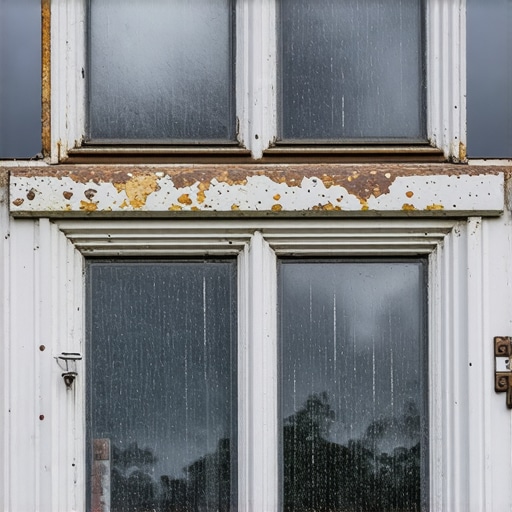
It was a rainy Sunday afternoon when I finally decided to clean my windows. I grabbed my trusty squeegee, poured some homemade cleaning solution, and started to scrub. But as I wiped, I noticed something strange—soft spots and discoloration along the window frames. My heart sank. It hit me then: my windows might be rotting away, and I had ignored the early signs for too long.
Have you ever experienced that moment of realization, when a simple cleanup reveals a bigger problem? It’s a sinking feeling, but an important one. Windows are more than just portals to the outside world; they’re crucial for energy efficiency, security, and protecting your home from the elements. If your windows are compromised, especially before the harsh rain of 2026, it can lead to costly damages and discomfort.
Why Spotting Rot in Windows Matters Right Now
As I dug deeper into my window issue, I learned that neglecting rot can seriously weaken your home’s structure. Wood rot caused by moisture not only deteriorates your windows but can also spread to surrounding walls and framing. Early detection saves you money and stress, especially as weather patterns become more unpredictable.
Surprisingly, the government reports that homes with compromised windows face increased energy bills—sometimes up to 15% higher—due to poor insulation and gaps that let drafts in. This isn’t just about aesthetics; it’s about safeguarding your investment and comfort.
In my initial mistake, I ignored small signs—like peeling paint and sticky window sashes—that could have been caught early with a simple inspection. I wish I had known then what I know now. When it comes to window health, catching problems early is key. Instead of waiting for a leak or a draft to ruin my day, I started researching how to identify the signs of rot, and more importantly, when to replace windows altogether.
If you’re wondering whether your windows are worth saving or if it’s time for a replacement, you’re not alone. Many homeowners face the same dilemma, especially before the 2026 rain season which is predicted to be wetter than ever. The goal? To act smartly and avoid unnecessary expenses.
For some expert guidance, check out trusted solutions like this reliable repair and replacement guide. Understanding how to recognize the early signs of rot can help you make informed decisions before small problems turn into big ones.
So, what’s next? In the sections to follow, I’ll share practical tips on identifying rot, when to repair, and when it’s truly time for a window replacement to ensure your home remains secure and weatherproof, no matter what 2026 has in store.
Inspect Your Windows Methodically
Begin by examining your windows thoroughly. Remove window sashes if possible, and look for soft spots, discoloration, or peeling paint—common signs of rot. Use a sturdy putty knife to gently probe wood areas; if they give way easily, rot is likely present. I once found a small soft patch on my living room window frame that I initially ignored. After poking gently with a putty knife, the soft spot crumbled, confirming my suspicion. Recognizing these signs early can prevent extensive damage.
Prepare for Repairs with the Right Tools
Gather a reliable set of tools: a drill, screwdriver, chisel, sandpaper, wood preservative, and suitable sealants. For damaged wood, removing rot-affected areas is crucial. Carefully chisel out soft or decayed wood, being cautious not to damage surrounding areas. I once tackled this on a damp Sunday afternoon; it was messy, but clearing out the rot allowed me to properly treat the area, strengthening the window frame afterward.
Apply Effective Repair Strategies
For minor rot, repair with epoxy wood filler, following the product instructions. Sand smooth once cured and seal with a waterproof preservative. If the damage is extensive, replacing the entire window frame might be more cost-effective. Inspect these critical parts before deciding on replacement. I learned that attempting to patch severely compromised wood was a false economy when I saw how shaky my repairs looked after a few rain showers.
Decide When to Replace Windows
Evaluate the extent of damage and age of your windows. If frames are extensively rotten, cracked, or warped, replacement is preferable. Consider energy efficiency benefits and the upcoming weather challenges of 2026. Don’t be tempted to DIY replacing windows without proper knowledge, as it can void warranties or lead to poor insulation. Trusting local experts like trusted professionals in your area ensures long-lasting results.
Schedule Regular Maintenance Checks
Implement a biannual inspection routine. Use a flashlight to check hidden areas and apply a fresh coat of sealant to prevent future rot. Proper maintenance keeps your windows in top condition and preempts costly replacements. I now set reminders to review my windows during spring and fall, catching minor issues before they escalate, saving money and stress before the next rainy season hits.
Many homeowners operate under common misconceptions about window maintenance, often believing that simple cleaning or minor repairs will suffice for the long haul. However, these beliefs can mask more nuanced realities that, if overlooked, lead to costly mistakes. Let’s shed light on some overlooked nuances and myths that could be leading you astray in your window care routines. For example, the widespread assumption that all window repairs are sufficiently addressed with quick fixes is false. Reinforcing this misconception is the idea that replacing windows is always the better option, without considering the specific condition and underlying issues. In truth, improperly executed repairs can void warranties and worsen problems, so seeking expert guidance, such as consulting trusted local specialists, is crucial. A common trap is the tendency to ignore early warning signs of rot or damage, assuming they are superficial. But rot, especially if left undetected, can compromise your entire home’s integrity—something experienced professionals understand intimately. Did you know that DIY fixes, without proper tools or knowledge, often lead to more extensive damage? For instance, applying sealants over underlying rot doesn’t solve the problem; it masks it temporarily, risking further deterioration. Advanced homeowners and builders emphasize evaluating the full extent of damage before deciding whether to repair or replace.
How can I tell if a minor repair is worth it versus a full replacement?
To make this decision, consider the age of the window, extent of rot or damage, and energy efficiency needs. When damage exceeds 30% of the frame or involves structural issues, experts recommend replacing the window entirely. Also, avoid common mistakes like choosing low-quality repair materials, which can cause issues down the line—something detailed in guides on avoiding warranty voiding repairs. Remember, a well-executed repair can extend a window’s life significantly, but rushing into a replacement without thorough assessment can be a costly oversight. **Proper inspection, expert advice, and understanding the detailed condition of your windows** will save you money and stress in the long run. To ensure you’re making an informed decision, explore trusted solutions such as this reliable repair and replacement guide. Don’t forget: regular evaluations can prevent small issues from turning into large disasters, especially as weather conditions grow more unpredictable. So, next time you consider window maintenance, dig deeper, question assumptions, and consult professionals to protect your home effectively. Have you ever fallen into this trap? Let me know in the comments.Maintaining your windows over time requires more than just cleaning; it involves the right tools, consistent routines, and knowledge of best practices to ensure durability and performance. The first tool I always keep handy is a high-quality electric heat gun, which I use to soften and remove stubborn old paint or sealant without damaging the glass or frame. Unlike traditional scrapers, a heat gun offers controlled application, reducing the risk of cracks or scratches, especially on delicate materials. For inspecting hidden areas, I rely on a compact LED inspection light, which illuminates tight corners and reveals early signs of rot or leaks that might be overlooked during routine checkups. This way, I can catch small issues before they escalate into expensive repairs. When it comes to cleaning, I prefer using a professional-grade squeegee coupled with eco-friendly window cleaning solutions that include vinegar and eco-safe detergents—these are effective and safer for my family and environment. Regular maintenance also involves applying a weatherproofing sealant, which I choose based on the specific needs of the material—be it wood, vinyl, or aluminum—to extend the lifespan of the frames. To keep track of the maintenance schedule, I use a digital calendar app set reminders for biannual inspections, ensuring I don’t forget to perform crucial upkeep tasks. As technology advances, I see an increasing trend toward smart window sensors and leak detectors, which can alert homeowners to issues remotely. Incorporating these innovations could revolutionize how we approach window care, making it more proactive than ever. How do I maintain my windows over time? I follow a disciplined routine: regular visual inspections, prompt repairs of minor damages, and professional help when necessary. When I notice a soft spot or peeling paint, I don’t delay—promptly addressing these signs with targeted repairs using trusted resources like recommended repair solutions helps me save money and extend my windows’ lifespan. If you’re serious about keeping your windows in top shape for years to come, I highly recommend trying advanced tools like a heat gun combined with moisture meters—these allow for precise assessments before executing repairs. Remember, consistent maintenance not only preserves your home’s value but also enhances energy efficiency and comfort. Stay proactive, invest in quality equipment, and don’t be afraid to consult professionals for complex issues. Properly maintained windows will serve you reliably through all seasons, especially as weather patterns become more unpredictable. So, equip yourself with these effective tools and make a habit of routine inspections—your home will thank you for it.
What I Wish I Knew Before My First Repair
One of the most crucial lessons I learned was the importance of thorough inspection before attempting any fix. Rushing into repairs without identifying the full extent of rot or damage often meant more expenses down the line. Taking time to evaluate every corner of the window frame, especially hidden areas, can save you time and money, and prevent unnecessary replacements.
Why Skipping Expert Advice Can Cost You
I realized early on that DIY solutions have their limits. Attempting to patch extensive damage or replace entire frames without proper knowledge sometimes worsened the problem. Trusting professional insights and proven resources, like trusted local experts and comprehensive guides, ensures your windows are fixed correctly the first time, safeguarding your home’s integrity and saving you headaches.
Making Window Care Part of Your Routine Pays Off
Incorporating scheduled inspections and maintenance into your home’s routine transformed how I approached window upkeep. Regular checks for soft spots, peeling paint, or drafty areas help catch issues early. This proactive stance is especially vital as weather patterns grow more unpredictable, ensuring your home remains secure and energy-efficient year-round.
Curated Tools That Keep My Windows Warmer and Clear
From high-quality heat guns for gentle paint removal to LED inspection lights illuminating hidden damage, my toolkit has become essential. These tools, along with eco-friendly cleaning solutions and sealants, make maintenance efficient and effective. Investing in the right equipment, and learning to use it properly, dramatically extends your windows’ lifespan and enhances home comfort.
Now It’s Your Turn to Make a Difference
Taking action on window maintenance isn’t just about fixing what’s broken—it’s about protecting your home from future costly damages. Regular inspections, trusted repairs, and knowledge are your best allies. Remember, your windows are the eyes of your home—keeping them in top shape ensures you see the good in every season ahead. Have you ever struggled with identifying early signs of window rot? Share your experiences below, and let’s learn together from each other’s stories.