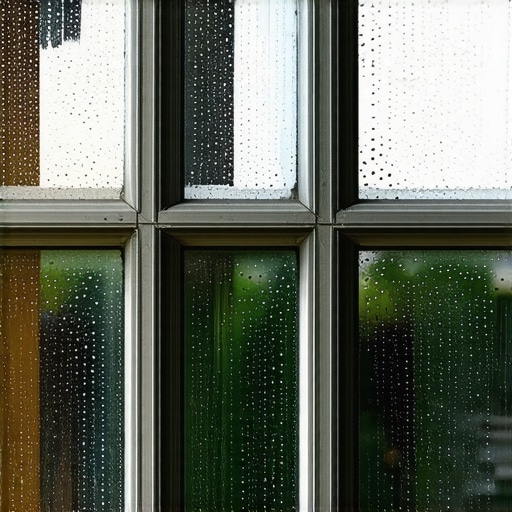
In the world of high performance fenestration, a window is not merely a transparent barrier: it is a complex thermal engine designed to manage the flow of heat, light, and moisture. After twenty five years in this trade, I have seen every imaginable failure, from curtain walls in skyscrapers to historic wood sash restorations. The most common technical failure, however, is the breach of the Insulating Glass Unit seal. A blown seal is not just an aesthetic nuisance: it is a total collapse of the window’s thermal integrity. When that hermetic barrier fails, your expensive Argon gas escapes and is replaced by moisture laden atmospheric air, turning your high tech glazing into a cloudy, inefficient liability. To understand if your seal is blown, we must look past the glass and into the physics of the glazing pocket.
The Condensation Crisis: A Master Glazier’s Perspective
I recall a specific instance that perfectly illustrates the confusion surrounding window performance. A homeowner called me in a panic because their new windows were sweating. They were convinced the seals had failed within six months. I walked in with my hygrometer and showed them the humidity in the room was 60 percent. It was a cold February morning in Chicago. I had to explain that the windows were actually performing perfectly. They were so airtight that the interior humidity, generated by their lifestyle and lack of ventilation, was hitting the cold glass surface and condensing. It wasn’t the windows: it was their lifestyle. However, when that condensation appears between the panes, where no hand can wipe it away, you are facing a genuine structural failure of the IGU. That is the moment where window repair is no longer an option for the glass itself and you must consider a full unit replacement.
“Installation is just as critical as the window performance itself. A high-performance window installed poorly will fail.” – AAMA Installation Masters Guide
The Glass Class: Decoding the Anatomy of an IGU
To identify a blown seal, you must understand what you are looking at. A modern window consists of an Insulating Glass Unit (IGU), which is two or more panes of glass separated by a spacer bar and sealed into a single unit. The primary seal, usually made of polyisobutylene (PIB), is the moisture barrier. The secondary seal, often a structural silicone or polysulfide, holds the unit together. Between these panes is an insulating gas, typically Argon or Krypton. In cold northern climates, we prioritize the U-Factor. A lower U-Factor means the window is better at keeping heat inside. We often apply a Low E coating on Surface #3, which is the inward facing surface of the inner pane, to reflect long wave infrared radiation back into the room. When the seal fails, this delicate chemical environment is compromised. Solar pumping is the primary culprit. As the sun beats down on the glass, the gas inside expands, putting pressure on the seals. At night, the gas contracts. Over thousands of cycles, this mechanical fatigue creates microscopic fissures in the PIB. Once the seal is breached, the desiccant inside the spacer bar becomes saturated. When the desiccant can no longer hold moisture, fogging begins.
Visual Diagnostics: Identifying the Blown Seal
How can you be certain the seal is gone? First, look for internal fogging. If the moisture is between the panes, the seal is 100 percent compromised. Second, look for a rainbow like oily sheen on the glass, known as Newton’s Rings. This occurs when the panes of glass have collapsed inward and are touching, often due to the total loss of the gas fill. Third, look for calcium deposits or white powdery residue. This is the result of repeated condensation cycles evaporating and leaving mineral deposits behind, which will eventually etch the glass permanently. Using a professional window cleaner can sometimes reveal these issues. A clean exterior surface makes it much easier to see the hazy, internal ghosts of a failed seal. If you see these signs, the thermal value of the window has plummeted. Your U-Factor has likely doubled, and the window is now a cold spot in your wall, inviting further interior condensation and potential mold growth on the sash or the muntin.
“The longevity of an insulating glass unit depends entirely on the integrity of its edge seal system.” – NFRC Performance Guidelines
The Mechanics of Failure: Why Seals Give Out
Beyond solar pumping, poor installation is a leading cause of premature seal failure. If the rough opening was not properly sized or if the window was not leveled with the correct shim placement, the frame can twist. This stress is transferred directly to the glass edge. Furthermore, if the weep hole system in the frame is clogged, water will sit in the glazing bead pocket. Most secondary seals are not designed for prolonged immersion in water. They will eventually emulsify and fail. This is why I always tell homeowners that a cheap installer is the most expensive mistake you can make. When we replace windows, we ensure the sill pan is perfectly sloped and the flashing tape is integrated into the drainage plane. A window must be able to shed water, or it will eventually commit suicide from the bottom up. Even the chemicals in some window cleaner products can be aggressive enough to degrade the secondary silicone seals if they are allowed to pool at the base of the glass.
Repair, Replace, or Retrofit?
Once a seal is blown, you have three choices. The first is a technical window repair where a specialist drills holes in the glass to wash out the minerals and install a one way vent. I rarely recommend this: it is a cosmetic fix that does nothing to restore the Argon gas or the original U-Factor. The second choice is an IGU replacement. A glazier can remove the glazing bead, pull out the failed glass unit, and drop in a new, factory sealed unit into the existing sash. This is cost effective if the frames are still in good condition. The third choice is to replace windows entirely. If the frames are vinyl and have become brittle, or if they are wood and have begun to rot at the sill, a full frame replacement is the only logical path. In our northern climate, upgrading to a triple pane unit with a warm edge spacer can provide a significant boost in comfort, even if the pure financial ROI takes time to realize. Comfort has its own value when it is thirty below zero outside and you can sit next to a window without feeling a draft.
Technical Specifications for the Informed Homeowner
When selecting your replacement units, look at the NFRC label. You want a low U-Factor for heat retention and a high Visible Transmittance (VT) if you want to maximize natural light. If your failed window was in a southern exposure, you might consider a lower Solar Heat Gain Coefficient (SHGC) to reduce cooling loads in the summer. Ensure your installer uses high quality flashing tape and understands the shingle principle: every layer of the building envelope must lap over the one below it. This prevents water from ever reaching the rough opening. A master glazier knows that we aren’t just selling glass: we are selling a managed hole in the wall that must remain airtight and watertight for decades. Don’t let a caulk and walk installer ruin a high performance product with poor technique.