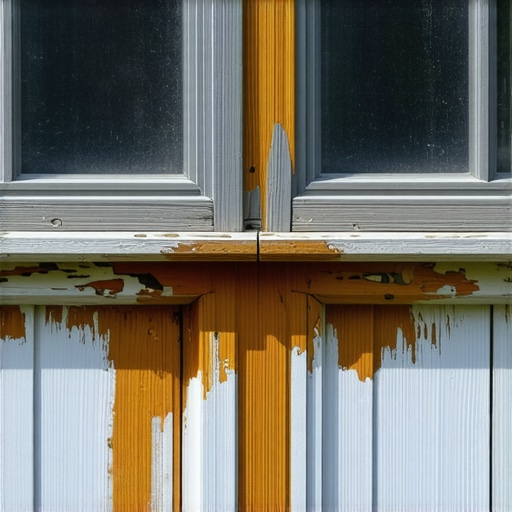
The Deception of the Fresh Coat
In my twenty-five years of glazing, I have seen every trick in the book used to mask structural failure. A fresh coat of high-gloss latex paint can hide a multitude of sins, but it cannot stop the laws of thermodynamics. I recently pulled a double-hung wood window out of a house in a damp suburb of Seattle and the header was completely black with rot. Why? The previous installer relied on the nailing fin and a bead of cheap silicone instead of proper flashing tape and a sloped sill pan. The homeowner had no idea because a local painter had just ‘refreshed’ the exterior. To the untrained eye, it looked pristine. To me, the slight ripple in the paint near the brick mold was a flashing red light. When we finally pried the casing off, the jack studs were so soft I could push a screwdriver through them with one finger. This is the reality of the ‘caulk-and-walk’ mentality that plagues our industry.
The Physics of Hidden Decay
Rot is not just ‘old wood.’ It is a biological process fueled by moisture trapped behind a non-breathable barrier. When you apply modern paint over damp wood, you are essentially creating a terrarium for fungal spores. In northern climates, where the U-Factor of your glass determines how much heat stays inside, the temperature differential between the warm interior air and the cold exterior frame often leads to condensation. If your window has a poor warm-edge spacer, that moisture collects at the glazing bead and seeps into the sash. Over time, this capillary action pulls water deep into the grain.
“Installation is just as critical as the window performance itself. A high-performance window installed poorly will fail.” – AAMA Installation Masters Guide
The Inspection Protocol: Probing Beyond the Surface
To identify if you need a window repair or a total unit replacement, you must look for the mechanical signs of failure that paint cannot hide. Start with the ‘Ice Pick Test.’ Take a small awl or screwdriver and press firmly against the sill and the lower corners of the sash. If the tool sinks more than an eighth of an inch with minimal pressure, the lignin in the wood has been compromised. Fresh paint will feel ‘spongy’ or ‘springy’ under pressure if there is rot beneath it. Next, examine the paint itself for bubbling or ‘alligatoring.’ This happens when the moisture vapor inside the wood tries to escape but is trapped by the paint film. A professional window cleaner often notices these issues first, as they see the way the glass meets the frame at a close distance. If the glazing bead is loose or if there is a gap where the muntin meets the rail, water is getting in.
The Anatomy of a Failed Installation
Most rot starts at the Rough Opening. If the installer did not use a sill pan with a rear dam, any water that gets past the secondary seal has nowhere to go but into the subfloor. This is why I am an advocate for ASTM E2112 standards.
“The primary purpose of a flashing system is to direct water to the exterior of the building envelope.” – ASTM E2112
In many cases, a homeowner might think they just need a simple window repair, but if the flashing was never integrated into the weather-resistive barrier, you are just putting a band-aid on a hemorrhage. When we perform a full-frame replacement, we strip everything back to the studs to ensure the new unit is shimmed properly and the flashing tape is lapped in a shingle-fashion: bottom first, then sides, then top.
Climate Context: Why Your Region Matters
If you live in a cold climate like Chicago or Minneapolis, your biggest enemy is the dew point. If your windows are older single-pane units, the interior surface of the glass gets cold enough to reach the dew point of your indoor air. This leads to constant sweating. That water runs down the glass and pools on the wood sash. If you are going to replace windows in these zones, you need a low U-Factor. Triple-pane glass with an Argon gas fill and Low-E coatings on Surface #3 will keep the interior glass warm, preventing the very moisture that causes rot. In contrast, if you are in the humid South, you need to worry about solar heat gain (SHGC) and exterior humidity driving moisture into the frame from the outside. In those cases, we want the Low-E coating on Surface #2 to reflect that radiant heat before it ever enters the house.
Identifying Structural Red Flags
Look at the miter joints of your window frames. If the paint is cracking specifically at the joints, it indicates that the wood is swelling and contracting at an accelerated rate due to high moisture content. Check the weep holes in vinyl or aluminum-clad units. If these are clogged with debris or painted shut, the water that is designed to drain out will instead back up into the wall cavity. This is a common failure point that leads to massive repair bills. When the frame is saturated, it loses its ability to hold a shim, which leads to the sash becoming difficult to operate. If your window sticks or feels heavy, it might not just be the hardware: the frame itself may be sagging due to rot. [IMAGE_PLACEHOLDER] “,